x

 Oil On CanvasWallArtBaroque
 151.0 x 149.0 cm
მუზეუმის დონის ჟიკლე ან ტილოზე ბეჭდვა სწრაფი წარმოებისა და დასრულების მოქნილი ვარიანტებით. ( შეიძინეთ ხელით შესრულებული ნახატი შეიძინეთ გამოსახულება)





























აირჩიეთ ჩვენს მიერ წინასწარ განსაზღვრული ზომებიდან, რომლებიც ნაწარმოების ორიგინალურ პროპორციებს შეესაბამება.

თქვენ შეგიძლიათ მიუთითოთ საკუთარი ზომები კონკრეტული ჩარჩოსთვის ან სივრცისთვის მოსარგებლებლად. თუ თქვენ მიერ არჩეული ზომა არ შეესაბამება ორიგინალი გამოსახულების პროპორციებს, ჩვენ ან დავჭრით ნამუშევარს, ან გავაფართოვებთ გამოსახულებას სარკული ან ერთფეროვანი კიდეებით. წარმოების დაწყებამდე თქვენს დასამტკიცებლად გამოგეგზავნებათ ციფრული მაკეტი.
გთხოვთ, გაითვალისწინოთ, რომ ეკრანზე ნაჩვენები წინასწარი ნახვა არ ასახავს რეალურ ჭრას ან გაფართოებას. მხოლოდ მაკეტზე იქნება ზუსტად წარმოდგენილი საბოლოო კომპოზიცია.
მიუხედავად იმისა, რომ ინდივიდუალური ზომები ხელმისაწვდომია, ორიგინალური პროპორციების შესანარჩუნებლად გირჩევთ, აირჩიოთ ზომა წინასწარ განსაზღვრული სიისგან.
მიწოდება მთელ მსოფლიოში () 2 კვირაში, სტანდარტული 4/5 კვირის ნაცვლად. (18 აგვისტო)


The Entombment
რეკლამაციის ზომა
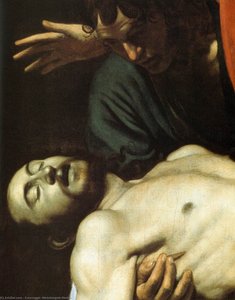
To stand before this depiction of The Entombment is to be enveloped in a palpable atmosphere of sacred grief and profound human drama. Simon Vouet, a master navigating the turbulent currents from Mannerism into the full bloom of French Baroque, captures not merely an event, but a moment suspended between life and eternity. The scene centers on the figure laid before the cross, his outstretched arms speaking volumes of sacrifice and repose. It is a composition that demands the viewer’s complete surrender to its solemn narrative weight.
Vouet's genius shines through in his masterful handling of light and shadow, techniques heavily influenced by the dramatic realism pioneered by Caravaggio. The interplay between illumination and deep shadow—the tenebrism—is not merely decorative; it is narrative. Light seems to emanate from a divine source, selectively illuminating the pallor of the fallen body and the anguished gestures of those gathered around him. Observe the surrounding figures: their varied poses—some kneeling in supplication, others standing in quiet witness—create a complex tapestry of human reaction. The depth achieved through these clustered forms gives the composition an almost three-dimensional immediacy, pulling the observer directly into the sacred circle.
The symbolism inherent in this work is rich and deeply moving. Beyond the immediate religious narrative, the scene speaks to universal themes of loss, devotion, and redemption. The outstretched arms are a powerful symbol of both surrender and eternal embrace. The presence of multiple figures allows Vouet to explore the spectrum of human emotion—from profound sorrow to quiet contemplation—all converging on this central point of repose. For the collector or designer, this piece offers more than mere decoration; it is an emotional anchor, capable of lending a sense of weighty, contemplative dignity to any space.
Simon Vouet’s career trajectory—from his early portraiture successes to his pivotal role in major decorative schemes for Parisian patrons like Louis XIII—marks him as a key architect of the French Baroque style. This work, representative of that grand period, showcases his ability to integrate high drama with sophisticated compositional structure. The di sotto perspective suggested by the overall arrangement implies an immersive experience, making the viewer feel as if they are standing within the chapel itself. Owning a reproduction of this scale (151 x 149 cm) allows one to bring the grandeur and intellectual weight of 17th-century French artistic patronage into a modern setting.

სიმონ ვუე იყო გადამწყვეტი ფიგურა ფრანგული მხატვრობის მანიერიზმიდან ბაროკოს სტილში გარდამავალ პროცესში. ის დაიბადა ხელოვნების ოჯახში – მისი მამა, ლორანტი, მხატვარი იყო და ძმა, აუბინი, ასევე ხელოვნებას ეწეოდა – ვუემ ადრეული ტრენინგი მიიღო, რამაც საფუძველი ჩაუყარა მის მომავალ წარმატებას. მისი შვილიშვილი, ლუდოვიკო დორინი, გააგრძელებდა ოჯახის მხატვრულ მემკვიდრეობას.
იტალიურ ყოფნისას ვუემ შერწყმა სხვადასხვა გავლენის ნაკადებში. მან შეისწავლა კარავაჯოს მიერ დაწყებული დრამატული განათების ტექნიკები, გააცოცხლა იტალიური მანიერიზმის ელემენტები და ყურადღებით გაანალიზა პაოლო ვერონესის მიერ გამოყენებული ფერთა პალიტრები და di sotto in su (გადმოწეული პერსპექტივა). ის ასევე შთააგონდა კარაკჩის, გუერჩინოს, ლანフランკოსა და გუიდო რენის ნამუშევრებიდან, და ამ მრავალფეროვან სტილებს უნიკალურ მხატვრულ ხედვაში გააერთიანა.
სიმონ ვუეს მემკვიდრეობა ეფუძნება მის გადამწყვეტ როლს იტალიურსა და ფრანგულ ხელოვნებას შორის ხიდის ფუნქციაში. მან წარმატებით იმპორტია იტალიური ბაროკოს დინამიურობა და დიდებულება, აქცევს მას ისეთ სტილად, რომელიც რეზონანსს უქმნიდა ფრანგული კორტისა და არისტოკრატიის გემოვნებას. მისი გავლენა უდავოა 17 საუკუნეში ფრანგული მხატვრობის განვითარებაზე და მისი წვლილი დღესაც აღიარებულია ხელოვნებათ ისტორიკოსების მიერ.

1590 - 1649

Explore the profound elegance of Baroque Classicism. Discover how 17th-century masters synthesized dramatic emotion with classical order through the lens of the Counter-Reformation and the works of legends like Carlo Maratta and Andrea Sacchi.

Explore the profound drama of 17th-century Baroque art. Discover how masters used chiaroscuro, movement, and emotional intensity to redefine history through the lens of the Counter-Reformation. An expert guide for art historians and collectors seeking deep cultural insight.

Explore the dramatic power of Baroque art through an expert guide to light, shadow, and emotion. Discover how the Counter-Reformation shaped 17th-century masterpieces and learn about the profound techniques used by the Old Masters to inspire awe.

Explore the dramatic evolution from Mannerist distortion to Baroque grandeur. Discover how light, shadow, and emotion redefined art history through a masterclass in technical mastery and religious fervor.

Explore the profound differences between Baroque drama and Rococo elegance. Our expert guide delves into art history, chiaroscuro, and the evolution of European masterpieces for collectors and enthusiasts seeking deep historical context.


ყოველთვის პირველი იყავით უახლესი ხელოვნების სიახლეების, ექსკლუზიური შეთავაზებებისა და დეკორაციის იდეების შესახებ ინფორმირებული.
გვიამარტეთ თქვენი პროექტის შესახებ და ჩვენი ხელოვნების ექსპერტები მოგაწვდით 3 პერსონალიზებულ რეკომენდაციას.
დაგვიძlinეთ სამი ვარიანტის შერჩევა სპეციალურად თქვენთვის – უფასოდ!


 წინასწარი ნახვა
 გაგზავნა
 გაზიარება
 დეტალები

 ჩამოტვირთვა
 მსგავსები
 რენტგენოგრაფიული კვლევა
 სლაიდშოუ
 გადასართად დაწვრილებით ნახეთ







 მინის ჩარჩოს არჩევანი ხელმისაწვდომია მხოლოდ 110 სმ-ზე ნაკლები ზომისთვის