


x

მუზეუმის დონის ჟიკლე ან ტილოზე ბეჭდვა სწრაფი წარმოებისა და დასრულების მოქნილი ვარიანტებით. ( შეიძინეთ ხელით შესრულებული ნახატი შეიძინეთ გამოსახულება)





























აირჩიეთ ჩვენს მიერ წინასწარ განსაზღვრული ზომებიდან, რომლებიც ნაწარმოების ორიგინალურ პროპორციებს შეესაბამება.

თქვენ შეგიძლიათ მიუთითოთ საკუთარი ზომები კონკრეტული ჩარჩოსთვის ან სივრცისთვის მოსარგებლებლად. თუ თქვენ მიერ არჩეული ზომა არ შეესაბამება ორიგინალი გამოსახულების პროპორციებს, ჩვენ ან დავჭრით ნამუშევარს, ან გავაფართოვებთ გამოსახულებას სარკული ან ერთფეროვანი კიდეებით. წარმოების დაწყებამდე თქვენს დასამტკიცებლად გამოგეგზავნებათ ციფრული მაკეტი.
გთხოვთ, გაითვალისწინოთ, რომ ეკრანზე ნაჩვენები წინასწარი ნახვა არ ასახავს რეალურ ჭრას ან გაფართოებას. მხოლოდ მაკეტზე იქნება ზუსტად წარმოდგენილი საბოლოო კომპოზიცია.
მიუხედავად იმისა, რომ ინდივიდუალური ზომები ხელმისაწვდომია, ორიგინალური პროპორციების შესანარჩუნებლად გირჩევთ, აირჩიოთ ზომა წინასწარ განსაზღვრული სიისგან.
მიწოდება მთელ მსოფლიოში () 2 კვირაში, სტანდარტული 4/5 კვირის ნაცვლად. (22 აგვისტო)


Hand
რეკლამაციის ზომა
Vincent van Gogh's "Hand," painted in 1885, is not merely a depiction of two hands; it’s a profound meditation on vulnerability, connection, and the very essence of human experience. This seemingly simple composition, rendered in Van Gogh’s signature realism style, possesses an almost unsettling intimacy, drawing the viewer into a silent dialogue between form and feeling. The photograph captures a pivotal moment in the artist's oeuvre, showcasing his evolving approach to capturing not just external reality but also the internal landscape of emotion.
Created during a period of intense self-reflection for Van Gogh, “Hand” exemplifies his meticulous technique. The chalk drawing is brought to life with thick, impasto strokes – a hallmark of his style – creating a palpable sense of texture and volume. Notice the deliberate layering of paint, particularly in the shadowed areas, which adds depth and emphasizes the contours of the hands. Van Gogh’s use of black and white here isn't simply a stylistic choice; it amplifies the starkness of the subject matter, forcing us to confront the raw physicality of the hands themselves. The realism style is not about photographic accuracy but rather an emotional interpretation, a way for Van Gogh to translate his feelings onto the canvas.
The positioning of the two hands – one resting gently upon the other – immediately evokes a sense of comfort, support, and perhaps even protection. Considering Van Gogh’s own struggles with mental health and isolation during this period, the image can be interpreted as a self-portrait, representing his yearning for connection and solace. The curled fingers suggest vulnerability and a desire to shield oneself from the world. It's a poignant reminder of the human need for empathy and understanding. The hands themselves are not idealized; they possess imperfections – creases, slight discoloration – which adds to their authenticity and emotional weight.
"Hand" was created during a crucial phase in Van Gogh's artistic development, just before his move to Paris where he encountered Impressionism and Post-Impressionism. This work demonstrates the influence of Japanese woodblock prints – Ukiyo-e – which were gaining popularity at the time, particularly their use of flattened perspective and emphasis on everyday subjects. Despite selling only one painting during his lifetime, *The Red Vineyard*, Van Gogh’s impact on art history is undeniable. “Hand” stands as a testament to his innovative approach to capturing emotion through form and color, solidifying his place as a foundational figure in modern art. This reproduction offers an unparalleled opportunity to own a piece of this artistic genius.


1853 - 1890 , ნიდერლანდი

Discover exquisite Van Gogh reproductions from Most-Famous-Paintings – expert art specialists offering museum-quality prints & custom paintings. Trust our authentic process and elevate your collection today.
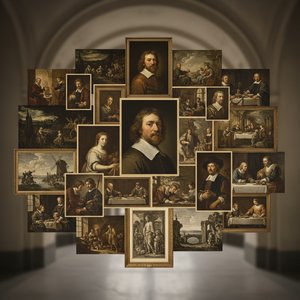
აღმოაჩინეთ რემბრანდტის 25 უნიკალური შედევრი! ოქროს ხანის ბაროკო ხელოვნება, ავტოპორტრეტები და ღამის თვალთუმაჩვილი – Most-Famous-Paintings.com-ზე. შეიძინეთ მუზეუმის ხარისხის რეპროდუქციები სახლის დეკორისთვის. Explore the full collection online!

Explore 10 iconic paintings dominated by black tones, from Rembrandt’s chiaroscuro to Goya's dark expressions. Discover the stories behind these masterpieces & find museum-quality art reproductions for your home at .
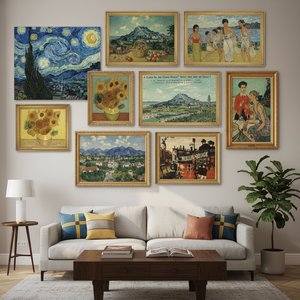
აღმოფრთოვანდით პოსტიმპრესიონიზმის ტopp 10 შედევრით! ვან გოგი, სეზანი და სხვა მოწინავე ხელოვანი. შეიგრძენ ფერების mágia-ს და აღმოგაჩინეთ საუკეტესები Most-Famous-Paintings.com-ზე. შეიძინეთ მაღალი ხარისბის ტილოები თქვენს სახლში!

Explore the visceral beauty of Van Gogh's impasto technique. Discover how his thick, textured brushstrokes transform canvas into an emotional landscape, and learn how to bring this tactile masterpiece into your home with premium, hand-painted reproductions.


ყოველთვის პირველი იყავით უახლესი ხელოვნების სიახლეების, ექსკლუზიური შეთავაზებებისა და დეკორაციის იდეების შესახებ ინფორმირებული.
გვიამარტეთ თქვენი პროექტის შესახებ და ჩვენი ხელოვნების ექსპერტები მოგაწვდით 3 პერსონალიზებულ რეკომენდაციას.
დაგვიძlinეთ სამი ვარიანტის შერჩევა სპეციალურად თქვენთვის – უფასოდ!


 წინასწარი ნახვა
 გაგზავნა
 გაზიარება
 დეტალები

 ჩამოტვირთვა
 მსგავსები
 რენტგენოგრაფიული კვლევა
 სლაიდშოუ

 გადასართად დაწვრილებით ნახეთ







 მინის ჩარჩოს არჩევანი ხელმისაწვდომია მხოლოდ 110 სმ-ზე ნაკლები ზომისთვის


