x

 Acrylic On CanvasWallArtHigh Renaissance
 1505
1505 92.0 x 126.0 cm
 Musée du Petit Palais
მუზეუმის დონის ჟიკლე ან ტილოზე ბეჭდვა სწრაფი წარმოებისა და დასრულების მოქნილი ვარიანტებით. ( შეიძინეთ ხელით შესრულებული ნახატი შეიძინეთ გამოსახულება)





























აირჩიეთ ჩვენს მიერ წინასწარ განსაზღვრული ზომებიდან, რომლებიც ნაწარმოების ორიგინალურ პროპორციებს შეესაბამება.

თქვენ შეგიძლიათ მიუთითოთ საკუთარი ზომები კონკრეტული ჩარჩოსთვის ან სივრცისთვის მოსარგებლებლად. თუ თქვენ მიერ არჩეული ზომა არ შეესაბამება ორიგინალი გამოსახულების პროპორციებს, ჩვენ ან დავჭრით ნამუშევარს, ან გავაფართოვებთ გამოსახულებას სარკული ან ერთფეროვანი კიდეებით. წარმოების დაწყებამდე თქვენს დასამტკიცებლად გამოგეგზავნებათ ციფრული მაკეტი.
გთხოვთ, გაითვალისწინოთ, რომ ეკრანზე ნაჩვენები წინასწარი ნახვა არ ასახავს რეალურ ჭრას ან გაფართოებას. მხოლოდ მაკეტზე იქნება ზუსტად წარმოდგენილი საბოლოო კომპოზიცია.
მიუხედავად იმისა, რომ ინდივიდუალური ზომები ხელმისაწვდომია, ორიგინალური პროპორციების შესანარჩუნებლად გირჩევთ, აირჩიოთ ზომა წინასწარ განსაზღვრული სიისგან.
მიწოდება მთელ მსოფლიოში () 2 კვირაში, სტანდარტული 4/5 კვირის ნაცვლად. (18 აგვისტო)


Holy Conversation
რეკლამაციის ზომა
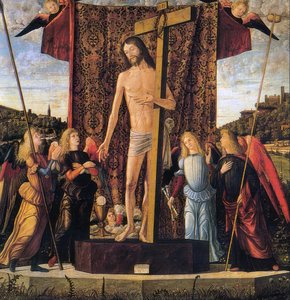
Vittore Carpaccio’s “Holy Conversation,” completed around 1505 in Venice, stands as a testament to the enduring influence of early Netherlandish art blended seamlessly with Venetian Renaissance sensibilities. More than just a depiction of religious iconography—specifically Saint Ursula and her companions—the painting embodies a profound meditation on faith, humility, and the quiet dignity of spiritual contemplation.
Style & Technique: Carpaccio’s approach diverges markedly from the flamboyant grandeur favored by many contemporaries. Unlike artists such as Raphael or Michelangelo, he eschewed dramatic poses and opulent ornamentation, opting instead for a restrained palette and meticulous attention to detail. Influenced heavily by Antonello da Messina's masterful use of oil paint—a technique still emerging in Venice at the time—Carpaccio employed tempera on canvas, achieving remarkable luminosity and capturing subtle gradations of color. The artist’s painstaking layering of glazes creates an ethereal atmosphere, reminiscent of Flemish landscapes.
Historical Context: Created during a period marked by burgeoning humanist scholarship and artistic innovation, “Holy Conversation” reflects the broader intellectual currents shaping Renaissance Venice. However, Carpaccio's stylistic choices represent a deliberate rejection of prevailing trends, prioritizing psychological realism over stylized grandeur. The painting’s genesis can be traced back to the fervent piety of the Venetian Republic—a society deeply invested in religious pilgrimage and devotion—particularly following the miraculous apparition of Saint Ursula’s relics.
Symbolism & Narrative: At its core, the artwork portrays Saint Ursula and her attendants engaged in a solemn dialogue – hence the title – reflecting on their arduous journey to Cologne Cathedral. Carpaccio meticulously renders every aspect of the scene—the weathered stone cathedral itself, the humble pilgrims huddled around a bench—creating an immersive experience for the viewer. The inclusion of symbolic elements—such as the solitary hermit and the rocky landscape—underscores themes of asceticism, contemplation, and communion with God. Carpaccio’s masterful storytelling elevates the painting beyond mere visual representation, inviting viewers to contemplate profound spiritual truths.
Emotional Impact: “Holy Conversation” possesses a remarkable ability to evoke feelings of serenity and reverence. The muted colors—primarily blues and browns—combined with the diffused light contribute to an atmosphere of solemn beauty. Carpaccio’s meticulous rendering of human emotion—captured in subtle expressions and gestures—resonates deeply with viewers, prompting reflection on faith, compassion, and the enduring power of spiritual contemplation.
Provenance & Display: Currently housed in the Musée du Petit Palais in Avignon, “Holy Conversation” continues to captivate audiences worldwide. Its luminous tempera technique and evocative composition exemplify Carpaccio’s artistic legacy—a legacy characterized by unwavering devotion to detail and a profound understanding of human psychology.


1465 - 1526

Explore the luminous mastery of the Venetian Renaissance. Discover how masters like Titian and Giorgione revolutionized art through colorito, light, and atmosphere. An expert guide to the golden age of Italian painting for collectors and enthusiasts.


ყოველთვის პირველი იყავით უახლესი ხელოვნების სიახლეების, ექსკლუზიური შეთავაზებებისა და დეკორაციის იდეების შესახებ ინფორმირებული.
გვიამარტეთ თქვენი პროექტის შესახებ და ჩვენი ხელოვნების ექსპერტები მოგაწვდით 3 პერსონალიზებულ რეკომენდაციას.
დაგვიძlinეთ სამი ვარიანტის შერჩევა სპეციალურად თქვენთვის – უფასოდ!


 წინასწარი ნახვა
 გაგზავნა
 გაზიარება
 დეტალები

 ჩამოტვირთვა
 მსგავსები
 რენტგენოგრაფიული კვლევა
 სლაიდშოუ
 გადასართად დაწვრილებით ნახეთ







 მინის ჩარჩოს არჩევანი ხელმისაწვდომია მხოლოდ 110 სმ-ზე ნაკლები ზომისთვის