


x

ტილოზე შესრულებული ფერწერიანი ზეთប្រდათი, თქვენთვის სასურველი ზომისა და ჩარჩოსთვის, ჩვენი ხელოვანების მიერ შეკვეთის საფუძველზე დამზადებული. ( შეიძინეთ პრინტი შეიძინეთ გამოსახულება)





























აირჩიეთ ჩვენს მიერ წინასწარ განსაზღვრული ზომებიდან, რომლებიც ნაწარმოების ორიგინალურ პროპორციებს შეესაბამება.

თქვენ შეგიძლიათ მიუთითოთ თქვენთვის სასურველი ზომები კონკრეტული ჩარჩოს ან სივრცის შესაბამისად. თუ თქვენ მიერ არჩეული ზომა არ შეესაბამება ორიგინალი გამოსახულების პროპორციებს, ჩვენ ან შევაჭრებთ ნაწარმოებს, ან ტილოზე დავამატებთ ხელით მოხატულ ელემენტებს. წარმოების დაწყებამდე, დამტკიცებისთვის გამოგეგზავნებათ ციფრული მაკეტი.
გთხოვთ, გაითვალისწინოთ, რომ ეკრანზე ნაჩვენები წინასწარი შეხედულება არ ასახავს რეალურ შეჭრას ან გაფართოებას. საბოლოო კომპოზიციას ზუსტად მხოლოდ მაკეტი წარმოაჩენს.
მიუხედავად იმისა, რომ შესაძლებელია ინდივიდუალური ზომების შერჩევა, ორიგინალური პროპორციების შენარჩუნებისათვის გირჩევთ, გამოიყენოთ წინასწარ განსაზღვრული სიის ზომები.
მიწოდება მსოფლიო მასშტაბით -ში 3/4 კვირაში, სტანდარტული 5 კვირის ნაცვლად. (22 აგვისტო). ხარისხზე კომპრომისის გაკეთება არ მოხდება.


Improvisation 7
რეკლამაციის ზომა
“Jazz Improvisation” is a vibrant and dynamic artwork by the pioneering Russian painter Wassily Kandinsky. Created in 1922 during his time in Germany, this piece exemplifies Kandinsky’s exploration of abstraction as a means to express inner spiritual realities through color and form. It's not a depiction of jazz music itself but rather an attempt to capture its energy, spontaneity, and improvisational nature visually.
Kandinsky was deeply influenced by music, believing that painting could evoke the same emotional responses as sound. He saw parallels between musical composition and visual art, using color and form in a way analogous to melody and harmony. “Jazz Improvisation” emerged during a period of significant artistic experimentation following World War I. The rise of jazz music itself, with its improvisational nature and syncopated rhythms, resonated with Kandinsky’s own artistic philosophy. He was fascinated by the idea of spontaneous creation and sought to translate this into his paintings.
Kandinsky's style in this period is characterized by a loosening of form and an increased emphasis on color as a primary expressive element. He moved away from representational imagery, focusing instead on creating compositions that were purely visual experiences. The painting reflects the influence of Bauhaus principles, emphasizing geometric shapes and dynamic arrangements.
While abstract, “Jazz Improvisation” is not devoid of symbolism. The swirling lines, intersecting planes, and vibrant colors create a sense of movement and energy that mirrors the improvisational nature of jazz music. The composition lacks a central focal point; instead, it’s a dynamic interplay of shapes and hues that draws the viewer's eye across the canvas.
“Jazz Improvisation” is designed to be an immersive experience for the viewer. It’s not about understanding a specific narrative but rather feeling the energy and emotion conveyed through color and form. The painting evokes a sense of spontaneity, freedom, and joyful chaos – qualities that are central to the jazz aesthetic.
Kandinsky's work challenged traditional notions of art, paving the way for abstract expressionism and influencing generations of artists. “Jazz Improvisation” stands as a testament to his innovative approach and his belief in the power of art to express profound spiritual truths through purely visual means. It remains a captivating example of how painting can transcend representation and become a powerful form of emotional communication.


1866 - 1944 , რუსეთი

Explore the vibrant world of Stuart Davis, a pioneer of American Modernism. Discover his jazz-inspired paintings, signature style & investment potential. Expert insights for art collectors.
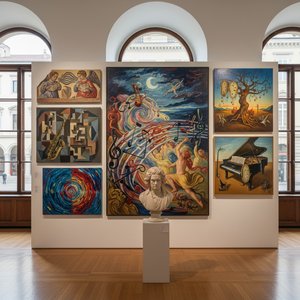
Explore the fascinating history of music's visual representation in art! From ancient symbolism to modern abstraction, discover how artists have captured sound and emotion on canvas. Expert insights & stunning examples.

Explore the life & work of Arthur B. Davies, a pivotal figure in American Modernism. Discover his unique style, role in the 1913 Armory Show, and lasting influence on art history. Learn about collecting Davies' works.

Explore the vibrant world of Gene Davis and the Washington Color School. Discover his iconic stripe paintings, innovative techniques, and lasting impact on American abstract art. A deep dive for collectors & enthusiasts.

Explore the artistic brilliance of the Jazz Age! Discover Art Deco's influence, Modernism’s impact & iconic artists like Tamara de Lempicka. Find museum-quality reproductions and expert art consultation at Most-Famous-Paintings.


ყოველთვის პირველი იყავით უახლესი ხელოვნების სიახლეების, ექსკლუზიური შეთავაზებებისა და დეკორაციის იდეების შესახებ ინფორმირებული.
გვიამარტეთ თქვენი პროექტის შესახებ და ჩვენი ხელოვნების ექსპერტები მოგაწვდით 3 პერსონალიზებულ რეკომენდაციას.
დაგვიძlinეთ სამი ვარიანტის შერჩევა სპეციალურად თქვენთვის – უფასოდ!


 წინასწარი ნახვა
 გაგზავნა
 გაზიარება
 დეტალები

 ჩამოტვირთვა
 მსგავსები
 რენტგენოგრაფიული კვლევა
 სლაიდშოუ

 გადასართად დაწვრილებით ნახეთ







 მინის ჩარჩოს არჩევანი ხელმისაწვდომია მხოლოდ 110 სმ-ზე ნაკლები ზომისთვის


