x

მუზეუმის დონის ჟიკლე ან ტილოზე ბეჭდვა სწრაფი წარმოებისა და დასრულების მოქნილი ვარიანტებით. ( შეიძინეთ ხელით შესრულებული ნახატი შეიძინეთ გამოსახულება)





























აირჩიეთ ჩვენს მიერ წინასწარ განსაზღვრული ზომებიდან, რომლებიც ნაწარმოების ორიგინალურ პროპორციებს შეესაბამება.

თქვენ შეგიძლიათ მიუთითოთ საკუთარი ზომები კონკრეტული ჩარჩოსთვის ან სივრცისთვის მოსარგებლებლად. თუ თქვენ მიერ არჩეული ზომა არ შეესაბამება ორიგინალი გამოსახულების პროპორციებს, ჩვენ ან დავჭრით ნამუშევარს, ან გავაფართოვებთ გამოსახულებას სარკული ან ერთფეროვანი კიდეებით. წარმოების დაწყებამდე თქვენს დასამტკიცებლად გამოგეგზავნებათ ციფრული მაკეტი.
გთხოვთ, გაითვალისწინოთ, რომ ეკრანზე ნაჩვენები წინასწარი ნახვა არ ასახავს რეალურ ჭრას ან გაფართოებას. მხოლოდ მაკეტზე იქნება ზუსტად წარმოდგენილი საბოლოო კომპოზიცია.
მიუხედავად იმისა, რომ ინდივიდუალური ზომები ხელმისაწვდომია, ორიგინალური პროპორციების შესანარჩუნებლად გირჩევთ, აირჩიოთ ზომა წინასწარ განსაზღვრული სიისგან.
მიწოდება მთელ მსოფლიოში () 2 კვირაში, სტანდარტული 4/5 კვირის ნაცვლად. (19 აგვისტო)


A Tree in Naples
რეკლამაციის ზომა
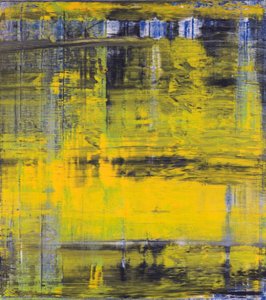
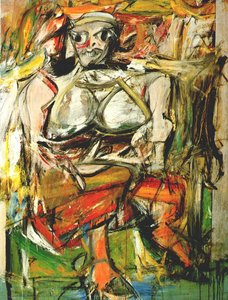
“A Tree in Naples,” created by Willem de Kooning in 1960, is a captivating example of Abstract Expressionism. This piece belongs to a series inspired by landscapes, marking a shift in De Kooning’s artistic focus towards capturing the essence of nature rather than literal representation. De Kooning described his inspiration: "Just coming around roads, some place, and having the sensation of a piece of it, a piece of nature, like a fence, something on the road. And I really get very elated by again looking, by again seeing that the sky is blue, that the grass is green.” This sentiment reveals a deep connection with the natural world and a desire to translate its feeling into visual form.
The painting doesn’t depict a tree in a traditional sense. Instead, De Kooning employs broad, heavy brushstrokes and vibrant colors—blues, reds, whites, blacks, and hints of yellow—to evoke the sensation of landscape. The technique is characteristic of Abstract Expressionism, prioritizing the artist's emotional response and process over precise depiction. Visible strokes and splatters contribute to its expressive nature. De Kooning utilized a palette knife in some areas, creating texture and depth. This approach aligns with the core principles of Abstract Expressionism, where the artist’s emotions and experiences are translated into visual expressions.
“A Tree in Naples” emerged during a pivotal period in art history – the post-World War II era. Abstract Expressionism was gaining prominence as the first major American modern art movement, centered around artists like Jackson Pollock, Elaine de Kooning, Lee Krasner, and Franz Kline—collectively known as the New York School. This movement rejected traditional representational forms, emphasizing spontaneous gesture, subjective emotion, and large-scale canvases. De Kooning’s work reflects this shift away from realism towards a more personal and expressive form of art.
While devoid of recognizable imagery, “A Tree in Naples” evokes a powerful emotional response. The dynamic interplay of color and line creates a sense of movement and vitality, suggesting the energy of nature. The painting isn't about depicting a specific tree; it’s about conveying the *feeling* of being immersed in a landscape—the light, the air, the overall sensory experience. It invites viewers to interpret the work subjectively, finding their own meaning within its abstract forms. The simplification of visual vocabulary and expansive brushstrokes create an immersive experience for the viewer.


1904 - 1997 , ნიდერლანდი

აღმოფრთოვანდით აბსტრაქტული გამოხატვისმანიერიზმის 10 უმშვენიერეს შედევრთან! ვასელის, პოლ locks-ის და სხვა ცნობილი მხატვრების ისტორიები. შეიძინეთ მაღალი ხარისბის ხელოვნების რეპროდუქციები Most-Famous-Paintings.com-ზე და შეცვალეთ თქვენი სახლი!
გაიცანით ფრანცისკო გოიას 25 გამორჩეული შედევრი! რომანტიზმის ბრწყინვალე წარმომადგენლის ტილოები, ისტორიული სიღრმე და განსაცვიფრებელი სილამაზე. შეიძინეთ ხელოვნების რეკონსტრუქციები Most-Famous-Paintings.com-ზე და შექმენით თქვენი ოცნების ინტერიერი.

APS ofrece reproducciones de bellas artes y encargos personalizados desde 2004. Confían en nosotros corporaciones, hoteles y coleccionistas selectos para obras de arte de calidad museística, servicio discreto y soluciones artísticas completas. ¡Póngase en contacto con nosotros para obtener un presupuesto personalizado!

Explore the evolution of Willem de Kooning's iconic Abstract Expressionist paintings. Discover his signature style, key themes & investment potential with expert insights for discerning art collectors.

Explore the profound emotional world of Abstract Expressionism with Most-Famous-Paintings. Discover key artists like Pollock & Rothko, learn about collecting, and find museum-quality reproductions to inspire your space.


ყოველთვის პირველი იყავით უახლესი ხელოვნების სიახლეების, ექსკლუზიური შეთავაზებებისა და დეკორაციის იდეების შესახებ ინფორმირებული.
გვიამარტეთ თქვენი პროექტის შესახებ და ჩვენი ხელოვნების ექსპერტები მოგაწვდით 3 პერსონალიზებულ რეკომენდაციას.
დაგვიძlinეთ სამი ვარიანტის შერჩევა სპეციალურად თქვენთვის – უფასოდ!


 წინასწარი ნახვა
 გაგზავნა
 გაზიარება
 დეტალები

 ჩამოტვირთვა
 მსგავსები
 რენტგენოგრაფიული კვლევა
 სლაიდშოუ

 გადასართად დაწვრილებით ნახეთ







 მინის ჩარჩოს არჩევანი ხელმისაწვდომია მხოლოდ 110 სმ-ზე ნაკლები ზომისთვის