x

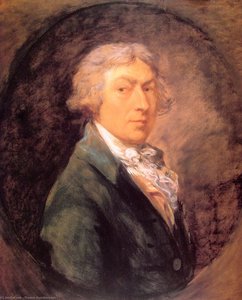
 Rococo
 74.0 x 62.0 cm
მუზეუმის დონის ჟიკლე ან ტილოზე ბეჭდვა სწრაფი წარმოებისა და დასრულების მოქნილი ვარიანტებით. ( შეიძინეთ ხელით შესრულებული ნახატი შეიძინეთ გამოსახულება)
აირჩიეთ ჩვენს მიერ წინასწარ განსაზღვრული ზომებიდან, რომლებიც ნაწარმოების ორიგინალურ პროპორციებს შეესაბამება.

თქვენ შეგიძლიათ მიუთითოთ საკუთარი ზომები კონკრეტული ჩარჩოსთვის ან სივრცისთვის მოსარგებლებლად. თუ თქვენ მიერ არჩეული ზომა არ შეესაბამება ორიგინალი გამოსახულების პროპორციებს, ჩვენ ან დავჭრით ნამუშევარს, ან გავაფართოვებთ გამოსახულებას სარკული ან ერთფეროვანი კიდეებით. წარმოების დაწყებამდე თქვენს დასამტკიცებლად გამოგეგზავნებათ ციფრული მაკეტი.
გთხოვთ, გაითვალისწინოთ, რომ ეკრანზე ნაჩვენები წინასწარი ნახვა არ ასახავს რეალურ ჭრას ან გაფართოებას. მხოლოდ მაკეტზე იქნება ზუსტად წარმოდგენილი საბოლოო კომპოზიცია.
მიუხედავად იმისა, რომ ინდივიდუალური ზომები ხელმისაწვდომია, ორიგინალური პროპორციების შესანარჩუნებლად გირჩევთ, აირჩიოთ ზომა წინასწარ განსაზღვრული სიისგან.
მიწოდება მთელ მსოფლიოში () 2 კვირაში, სტანდარტული 4/5 კვირის ნაცვლად. (15 აგვისტო)


Self Portrait
რეკლამაციის ზომა

In the vibrant intellectual landscape of eighteenth-century Scotland, few figures embodied the harmonious union of visual artistry and literary depth as gracefully as William Aikman. Born in 1682 into a family that envisioned a future for him within the rigorous halls of jurisprudence, Aikman ultimately chose a path far more evocative and ethereal. Rather than pursuing the dry complexities of law, he surrendered himself to the brush, becoming a portraitist whose work would capture the very essence of the Scottish Enlightenment. His life was not merely a pursuit of technical mastery, but a profound engagement with the humanist ideals that were beginning to reshape the European consciousness.
The foundation of Aikman’s artistic identity was laid during his formative years at Edinburgh University. It was here that he forged an enduring and transformative bond with Allan Ramsay, the celebrated poet of the Doriment tradition. This friendship was far more than a social connection; it was a shared intellectual journey. Through Ramsay, Aikman became deeply immersed in a poetic ethos characterized by sincerity, emotional resonance, and a delicate appreciation for nature. This literary sensitivity would later manifest in his paintings, lending a certain psychological depth and quiet dignity to his subjects that transcended the mere recording of physical likeness.
To refine his burgeoning talent, Aikman sought the rigorous training available in London, where he encountered the burgeoning influences of Italian neoclassicism. However, his true artistic metamorphosis occurred during his extensive travels through Italy. Immersed in the cradle of the Renaissance, Aikman meticulously studied the masters, finding profound inspiration in the balanced compositions and idealized forms of Raphael and Michelangelo. This period of pilgrimage allowed him to absorb the principles of antiquity, integrating a sense of structural permanence and classical grace into his portraiture.
Upon his return to Scotland, Aikman’s style emerged as a sophisticated blend of Northern sensitivity and Southern grandeur. His work was characterized by a serene elegance, avoiding the overly dramatic flourishes of the Baroque in favor of a more composed and thoughtful presentation. He possessed a remarkable ability to render textures—the subtle sheen of silk, the weight of velvet, and the softness of skin—with a precision that felt both lifelike and elevated by an artistic ideal. His portraits were not merely-looking glass reflections but were imbued with a sense of character and intellectual presence.
Beyond his individual technical achievements, Aikman played a pivotal role in the cultural ecosystem of his era. He was a crucial bridge between the worlds of fine art and literature, acting as an early champion for figures such as James Thomson. By leveraging his social connections to secure patronage from influential figures like Robert Walpole, Aikman helped foster an environment where Scottish intellectuals could thrive on a broader European stage. His ability to navigate the corridors of power while maintaining his artistic integrity made him a central figure in the burgeoning cultural renaissance of Edinburgh.
The legacy of William Aikman resides in the quiet strength of his portraits, which continue to serve as windows into the spirit of an age defined by reason and refinement. His contributions can be summarized through several key pillars of his career:
Though his life was relatively brief, ending in 1731, the impact of William Aikman remains etched in the history of British art. He stands as a testament to the power of following one's true vocation, proving that when the brush is guided by the intellect and the heart, it can capture not just a face, but the very soul of an era.

1682 - 1731

Journey through Neo-Classicism's finest! Explore 10 iconic masterpieces by David, Ingres & Canova. Discover art history, techniques & timeless beauty – perfect for inspiring your home decor. Find museum-quality reproductions at

აღმოფრთოვანდით როკოკოს ეპოქის ტopp 10 შედევრით! გი tanıtავთ გამოჩენილ არტისტებს, მათი უნიკალური სტილსა და ფერწერულ ნაწარმოებებს. Most-Famous-Paintings-ზე იხილეთ მუზეუმული ხარისხის ხელოვნების რესპუბლიკები და შექმნით თქვენი ოცნების ინტერიერი!

Journey through 18th century art! Explore 10 iconic paintings – from Rococo elegance to Neoclassical grandeur. Discover Fragonard, David & more. Find museum-quality reproductions and elevate your home decor on Most-Famous-Paintings.com.

Explore the opulent world of Rococo art! Discover its origins, key artists like Watteau & Boucher, and lasting influence on design. Expert insights for collectors & enthusiasts.

Embark on an elegant journey through the Rococo era. Discover the delicate beauty of pastel masterpieces, the intricate artistry of 18th-century French masters, and how this era of ornate splendor continues to inspire timeless luxury in fine art collecting.


ყოველთვის პირველი იყავით უახლესი ხელოვნების სიახლეების, ექსკლუზიური შეთავაზებებისა და დეკორაციის იდეების შესახებ ინფორმირებული.
გვიამარტეთ თქვენი პროექტის შესახებ და ჩვენი ხელოვნების ექსპერტები მოგაწვდით 3 პერსონალიზებულ რეკომენდაციას.
დაგვიძlinეთ სამი ვარიანტის შერჩევა სპეციალურად თქვენთვის – უფასოდ!


 წინასწარი ნახვა
 გაგზავნა
 გაზიარება
 დეტალები

 ჩამოტვირთვა
 მსგავსები
 რენტგენოგრაფიული კვლევა
 სლაიდშოუ
 გადასართად დაწვრილებით ნახეთ




































 მინის ჩარჩოს არჩევანი ხელმისაწვდომია მხოლოდ 110 სმ-ზე ნაკლები ზომისთვის