გაყიდეთ თქვენი ხელოვნება
სურვილების სია စျေးდაკლებული კალათა Cart
x
წინასწარი ნახვაწინასწარი ნახვა AR წინასწარი ნახვაAR წინასწარი ნახვა შეიძინეთ პრინტი შეიძინეთ პრინტიშეიძინეთ ხელით შესრულებული ნახატი შეიძინეთ ხელით შესრულებული ნახატი გაგზავნაგაგზავნა
დეტალებიდეტალები დამატება ფავორიტებში დამატება ფავორიტებში ჩამოტვირთვაჩამოტვირთვა მსგავსებიმსგავსები რენტგენოგრაფიული კვლევარენტგენოგრაფიული კვლევა სლაიდშოუსლაიდშოუ

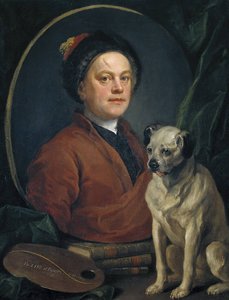
The Staymaker

This captivating Hogarth masterpiece captures a lively social scene in London during the Georgian era, showcasing meticulous detail and satirical commentary on societal norms. Explore this iconic artwork and bring its timeless elegance into your home.

აღმოაჩინეთ უილიამ ჰოგართის სატირული სამყარო (1697-1764), ინგლისელი მხატვრის და გრავორის ნაშრომები. აღფრთოვანდით "რაქის წინსვლას" და მისი ღრმა სოციალური კომენტარებით.

შეიძინეთ მაღალი რეზოლუციის, გაუმჯობესებული ციფრული გამოსახულება, რომელიც ხარისხით ბევრად აღემატება ონლაინ წინასწარ ნახვას.

თითოეულ ფაილს ჩვენი შიდა სპეციალისტები საგულდაგულოდ ამზადებენ თანამედროვე ინსტრუმენტებისა და პროფესიონალური რეტუშირების გამოყენებით. ჩვენ უზრუნველყოფთ, რომ თითოეულ გამოსახულებას ჰქონდეს გამორჩეული სიცხადე, ფერების ზუსტი გადაცემა და დეტალიზაცია.

დასრულებული ფაილი ელექტრონული ფოსტით 72 საათში გიგზავნით; იგი ოპტიმიზებულია პროფესიონალური, რედაქციული და პოლიგრაფიული გამოყენებისთვის. ეს არის ისეთივე ხარისხი, რომელსაც წამყვანი დიზაინ-სტუდიები, გამომცემლობები და გალერეები ენდობიან.

ციფრული გამოსახულება

ჩამოტვირთეთ მაღალი გარჩევადობის ფაილი პირადი გამოყენებისთვის, დასაბეჭდად და შემოქმედებითი პროექტებისთვის. (შეიძინეთ პრინტი შეიძინეთ პრინტიშეიძინეთ ხელით შესრულებული ნახატი შეიძინეთ ხელით შესრულებული ნახატი)

საბოლოო ფასი

$ 24.90

ყოველ ციფრულ გამოსახულების შეკვეთაში შედის

ექსპერტული ციფრული მიწოდება, გარანტირებული

როდესაც ირჩევთ Most-Famous-Paintings.com-ს, თქვენ მხოლოდ სურათს კი არ იღებთ, არამედ იღებთ პროფესიონალურად დამუშავებულ ციფრულ ნამუშევარს, რომელიც შექმნილია უზადო სიზუსტით და დაცულია კმაყოფილების გარანტიით. თქვენს შეკვეთას ავტომატურად მოჰყვება შემდეგი:

shipping_icon
სწრაფი მიწოდება ელექტრონული ფოსტით

თქვენს მაღალი რეზოლუციის ციფრულ გამოსახულებას ელექტრონული ფოსტით შეკვეთის დაწყებიდან 72 საათში მიიღებთ — ის მზად იქნება დაუყოვნებლივი გამოყენებისთვის.

canvas_icon
AI-ით გაუმჯობესებული ციფრული ფაილი

თქვენი ხელოვნების ნიმუშები პროფესიონალურად არის ოპტიმიზებული მოწინავე AI ინსტრუმენტებისა და მექანიკური რედაქტირების მეშვეობით, რაც უზრუნველყოფს მაქსიმალურ დეტალიზაციას, სიცხადესა და ფერების სიზუსტეს.

insurance_icon
ციფრული გამოსახულებების უფასო სამუდამო ხელახალი მიღება

ფაილი შემთხვევით წაიშალა ან დაკარგეთ? ნუបედავთ — ჩვენ მას ნებისმიერ დროს, უფასოდ ხელახლა გამოგეგზავნით.

tax_icon
იმპორტის გადასახადების გარეშე — ყოველთვის

ჭიდად ისიამოვნეთ თქვენი ნამუშევრით მყისიერად, საბაჟო გადასახადის, მოსაკრებლის ან მიწოდების ხარჯის გარეშე - ციფრული ჩამტვირთვისას ყოველთვის საგადასახადო თავისუფლებაა.

color_icon
ფერების სიზუსტის გარანტია

პროფესიონალური ინსტრუმენტებისა და ფერების მართვის სისტემის გამოყენებით, ჩვენ უზრუნველყოფთ, რომ თქვენი ციფრული გამოსახულება მაქსიმალურად ზუსტად ასახავდეს ორიგინალურ ფერებს.

return_icon
60-დღიანი კმაყოფილების გარანტია

თუ თქვენს ციფრულ გამოსახულებას ვერ დაკმაყოფილებთ, ჩვენ შევირჩევთ მას ან დავაბრუნებთ 100% თანხას 60 დღის განმავლობაში — ყოველგვარი დამატებითი კითხვის გარეშე.

guarantee_icon
100% თანხის დაბრუნების გარანტია

არ არის თქვენი კმაყოფილების საფუძველი? მიიღეთ თანხის სრული დაბრუნება ციფრული ფაილის მიღებიდან 60 დღის განმავლობაში — ყოველგვარი დამატებითი კითხვის გარეშე.

discount_icon
ფასდაკლება დიდი რაოდენობით შეკვეთაზე

შეიძინეთ 3 გამოსახულება და მიიღეთ 10% ფასდაკლება - შეიძინეთ 5 და მიიღეთ 15% ფასდაკლება - შეიძინეთ 10+-ზე და მიიღეთ 20% ფასდაკლება. იდეალურია კრეატიული პროექტებისთვის, გალერეებისა და სააგენტოებისთვის.

მოკლე ინფორმაცია

  • Artistic style: Satirical realism
  • Subject or theme: Social commentary
  • Artist: William Hogarth
  • Movement: Neoclassicism
  • Dimensions: 70 x 91 cm
  • Year: 1744
  • Location: Private Collection

კოლექციონირებადი ნივთის აღწერა

A Window into Georgian Society: Exploring William Hogarth’s “The Staymaker”

William Hogarth's "The Staymaker," completed in 1744, isn’t merely a depiction of a domestic scene; it’s a meticulously crafted snapshot of Georgian England – a society grappling with shifting social hierarchies and confronting uncomfortable truths about morality and pleasure. This monumental canvas (70 x 91 cm) transcends the simple act of portraying individuals within a room; instead, Hogarth employs his artistic prowess to deliver a powerful commentary on the era’s values and anxieties.
  • Subject Matter: The painting captures a lively gathering in what appears to be an affluent gentleman's home. We observe a group of men and women engaged in conversation, punctuated by gestures of flirtation and amusement. Notably prominent is a young woman attempting to seduce a married man, highlighting the pervasive societal pressures surrounding marital fidelity.
  • Style: Hogarth’s style is firmly rooted in Rococo influences but swiftly pivots towards Neoclassical realism. While acknowledging the decorative elegance characteristic of the Rococo period—evident in the carefully arranged furniture and subtle use of color—Hogarth prioritizes accuracy and detail, grounding his depiction in observable reality.
  • Technique: Hogarth’s masterful technique is characterized by a combination of etching and mezzotint printing. This dual process allowed him to achieve astonishing tonal gradations – capturing the nuances of light and shadow with unparalleled precision. The etching lines provide crisp outlines, while the mezzotint creates velvety textures that imbue the scene with palpable warmth and depth.

Historical Context: Scandalous Revelations in Enlightenment England

“The Staymaker” emerged during the Enlightenment – a period marked by intellectual ferment and a burgeoning interest in reason and observation. However, Hogarth wasn’t simply documenting the era's advancements; he actively challenged its conventions. The painting directly confronts issues of social hypocrisy—specifically, the disparity between professed moral ideals and actual behavior. It reflects anxieties surrounding marriage, sexuality, and the pursuit of pleasure – concerns that resonated deeply within the educated elite of London at the time. Hogarth’s work served as a crucial corrective to the idealized portrayals prevalent in aristocratic art circles.

Symbolism: Decoding Layers of Meaning

Beyond its immediate narrative, “The Staymaker” is laden with symbolic significance. The fireplace represents domestic warmth and comfort, yet it simultaneously serves as a barrier between those present—emphasizing social divisions. The clock symbolizes the relentless march of time and underscores the urgency of moral judgment. Most powerfully, however, is the central figure – the young woman attempting to seduce her husband. She embodies the temptation of desire and represents the vulnerability of individuals caught in societal expectations. Hogarth’s deliberate use of visual cues invites viewers to contemplate broader questions about virtue, vice, and the complexities of human relationships.

Emotional Impact: A Portrait of Moral Ambiguity

Ultimately, “The Staymaker” succeeds in eliciting a profound emotional response from the viewer. It doesn’t offer easy answers or comforting resolutions; rather, it confronts us with uncomfortable truths about human nature and societal hypocrisy. The painting's unsettling realism compels contemplation on themes of desire, responsibility, and the consequences of transgressions against moral codes. Its enduring appeal lies in its ability to capture the essence of a pivotal moment in British history—a time when reason wrestled with tradition, and art served as both reflection and critique. It remains a testament to Hogarth’s genius as an artist and historian, offering a timeless glimpse into the soul of Georgian England.

მხატვრის ბიოგრაფია

A London Life in Ink and Paint: The World of William Hogarth

William Hogarth, born into the bustling heart of 18th-century London in 1697, was more than just an artist; he was a visual historian, a keen observer of human nature, and a satirical commentator on the societal currents of his age. His life story is inextricably linked to the very fabric of England during a period of significant transformation – its burgeoning ambitions, underlying anxieties, and pervasive hypocrisies all finding potent expression in his remarkably detailed and often biting works. The son of a struggling Latin schoolmaster, Hogarth’s early experiences instilled within him both a love for learning and a sharp awareness of social inequalities, a foundation that would prove crucial to shaping his artistic vision. Initially apprenticed to an engraver, he quickly demonstrated a talent extending beyond mere technical skill; he possessed an innate ability to observe the nuances of human behavior and translate them into compelling visual narratives. However, he chafed against the constraints of traditional engraving, seeking a more expressive outlet for his burgeoning creativity. This led him to studies at both St Martin’s Lane Academy and under Sir James Thornhill, where he honed his skills in painting and composition, absorbing influences that would later inform his unique style. His formative years were marked by hardship—his father's imprisonment instilled within him a profound understanding of the injustices faced by ordinary people. Yet this adversity fueled his artistic ambition, propelling him toward an unwavering dedication to capturing the complexities of human experience with unflinching honesty. Early sketches revealed a remarkable talent for portraying individuals with sensitivity and accuracy, foreshadowing his later mastery of portraiture and genre painting. He cultivated friendships with fellow artists and intellectuals, fostering a vibrant intellectual environment that nurtured his creative spirit. His fascination with classical art—particularly the works of Albrecht Dürer, Pieter Bruegel the Elder, Leonardo Da Vinci, Raphael, Michelangelo, Nicolas Poussin—provided him with invaluable stylistic models. These masters instilled in him a belief that art should strive for both beauty and moral instruction, shaping his artistic ethos throughout his career.

The Birth of Modern Moral Subjects

Hogarth’s true innovation lay not simply *what* he painted, but *how*. He pioneered what he termed “modern moral subjects” – series of pictures designed to tell a story, often imbued with a strong satirical edge. These weren’t isolated portraits or landscapes; they were visual novels unfolding before the viewer’s eyes, offering pointed commentary on contemporary society. A Harlot's Progress, created in 1742, stands as perhaps his most famous example. This series of six paintings meticulously follows the tragic downfall of Mary, a young woman arriving in London full of hope but quickly succumbing to the temptations and dangers of city life. Each scene is rendered with painstaking detail, filled with symbolic elements that reveal the moral decay surrounding her. The meticulous observation of human behavior—the furtive glances exchanged between prostitutes, the desperate pleas for money, the gradual erosion of virtue—was revolutionary for its time. It challenged viewers to confront uncomfortable truths about themselves and their society, prompting reflection on issues of morality, social responsibility, and personal redemption. Similarly, A Rake's Progress, begun in 1733, charts the reckless decline of Tom Rakewell, a man who squanders his inheritance on gambling, debauchery, and ultimately, madness. The depiction of opulent excess juxtaposed with moral degradation served as a searing indictment of aristocratic decadence—a critique that resonated powerfully with audiences concerned about social stability and ethical conduct. Hogarth’s technique was characterized by a masterful use of line and shading, particularly evident in his engravings. He employed a distinctive cross-hatching technique that created depth and texture, bringing his scenes to life with remarkable clarity. This method allowed him to convey emotion and atmosphere with unparalleled precision—capturing the nuances of human expression and the subtleties of light and shadow. Furthermore, he possessed an exceptional eye for composition, arranging figures and objects within the frame to create dynamic and engaging narratives. He skillfully utilized perspective and spatial relationships to guide the viewer’s gaze and heighten the dramatic impact of his images. His artistic vision was profoundly influenced by classical art—particularly the works of Rembrandt and Rubens—who championed realism and psychological insight. These masters instilled in him a belief that art should strive for both beauty and moral instruction, shaping his artistic ethos throughout his career. He sought to hold a mirror up to nature, reflecting both its splendor and its ugliness with uncompromising honesty.

Influences Beyond Art: Literature and Society

Hogarth’s intellectual curiosity extended beyond visual arts; he was deeply engaged in literary discussions and actively participated in the vibrant cultural life of London. His correspondence reveals an astute understanding of philosophical ideas—particularly those championed by Voltaire and Rousseau—which informed his social observations. He recognized that art should serve as a catalyst for critical reflection, prompting viewers to question prevailing assumptions about morality, politics, and human behavior. Hogarth’s engagement with the theater—where he served as a scenic artist—provided him with firsthand experience of societal trends and anxieties. He meticulously documented theatrical productions, capturing their costumes, sets, and performances with remarkable accuracy. This practice honed his observational skills and deepened his appreciation for storytelling—a skill that would ultimately define his artistic legacy. His unwavering commitment to social justice fueled his satirical endeavors—he tirelessly denounced corruption, hypocrisy, and oppression wherever he encountered them. He believed that art had a moral obligation to challenge injustice and advocate for the rights of marginalized communities. His unflinching portrayal of poverty, disease, and suffering served as a powerful indictment of societal indifference—a critique that demanded immediate action toward alleviating human misery. Hogarth’s artistic legacy extends far beyond his individual paintings and engravings; he established a tradition of social satire that continues to inspire artists and writers today. He demonstrated that art could be both entertaining and enlightening, fostering empathy for those less fortunate and prompting reflection on the ethical responsibilities of individuals and institutions. His enduring influence testifies to the transformative power of artistic vision—a testament to his unwavering belief in the capacity of art to shape human consciousness and propel social progress.

ვილიამ ჰოგარ்த்

ვილიამ ჰოგარ்த்

1697 - 1764 , ინგლისი

მოკლე ინფორმაცია

  • Artistic Movement Or Style: სატაურული და რეალიზმი
  • Artists Who Influenced This Artist:
    • პიერ დე ჰოხი
    • ჯონათან სვიფტი
  • Date Of Birth: 1697 წლის ნოябрь 10
  • Date Of Death: 1764 წლის ოქტომბერი 26
  • Full Name: William Hogarth
  • Nationality: ინგლისელი
  • Notable Artworks:
    • მშობლო სადღეგრძნელი
    • რაინის მფლობელი
  • Place Of Birth: ლონდონი, ინგლისი