x
빠른 제작과 다양한 마감 옵션을 제공하는 박물관 품질의 지클레이 또는 캔버스 프린트. ( 수제 페인팅으로 전환하기 이미지로 전환)
작품의 원본 비율을 유지하는 미리 설정된 크기 중에서 선택하세요.

특정 프레임이나 공간에 맞춰 직접 치수를 입력하실 수 있습니다. 선택하신 사이즈가 원본 이미지의 비율과 일치하지 않을 경우, 작품을 크롭(자르기)하거나 이미지를 대칭 또는 단색 채우기로 확장하여 제작합니다. 제작 시작 전, 최종 확인을 위해 디지털 목업이 전송됩니다.
화면상의 미리보기는 실제 크롭이나 확장 상태를 반영하지 않으므로, 최종 구도는 오직 목업을 통해서만 정확하게 확인하실 수 있습니다.
맞춤 사이즈 제작도 가능하지만, 원본 비율을 유지하기 위해서는 사전 정의된 목록에서 치수를 선택하시는 것을 권장합니다.

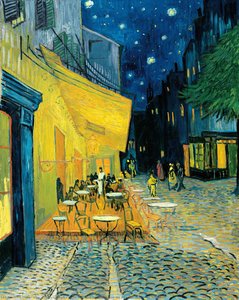
A Night At The Opera
복제본 크기
In the twilight of the nineteenth century, as the gears of the Industrial Revolution began to turn with an almost feverish intensity, one artist looked beyond the soot and steam to glimpse a future charged with electricity and wonder. Albert Robida was not merely an illustrator or a novelist; he was a temporal voyager, a man whose pen traced the outlines of a century yet to be born. Born in the historic town of Compiègne in 1848, Robida possessed a rare intellectual duality, blending the meticulous precision of a trained notary with the boundless, satirical imagination of a true storyteller. His early years, steeped in classical literature and fine arts, provided the foundation for a career that would eventually bridge the gap between the gritty realism of his era and the fantastical possibilities of science fiction.
Robida’s ascent within the vibrant Parisian art scene was fueled by his remarkable ability to capture the pulse of social change. Beginning his professional journey in 1866 with the Journal Amusant, he quickly distinguished himself through a sharp, observant eye for caricature. He did not merely draw people; he drew the very spirit of an age caught between tradition and progress. As the co-founder and editor of the satirical magazine La Caricature, he wielded his illustrations as both a mirror and a weapon, offering biting commentary on political shifts and the burgeoning anxieties of a society facing rapid technological advancement. His work during this period was characterized by an extraordinary level of detail, utilizing intricate hatching techniques that gave his compositions a tactile, breathing quality.
While his satirical sketches earned him contemporary fame, it was Robida’s profound literary and visual trilogy—comprising works such as Le Vingtième Siècle—that secured his place in the pantheon of visionary creators. In these works, Robida moved far beyond the models of his predecessors like Gustave Doré or Honoré Daumier. He constructed a "pantomimed exposition" of the future, where the air itself seemed vibrant with the hum of new inventions. His illustrations for these narratives were not merely accompaniments to text but were essential components of a larger, cohesive mythology. He envisioned a world of aerostats, telephonic communication, and mechanized wonders, often imbuing these technological marvels with a sense of everyday normalcy that made his predictions feel hauntingly plausible.
The technical mastery Robida brought to his speculative landscapes was nothing short of extraordinary. His process involved:
As the twentieth century dawned, Robida’s influence began to ripple through the burgeoning genre of science fiction. His ability to blend dystopia with satire allowed him to explore the darker side of progress—the potential for mechanized warfare and social fragmentation—while never losing the sense of whimsical wonder that defined his aesthetic. Even as his mainstream fame waned following the devastation of World War I, his impact remained etched in the DNA of visual storytelling. He paved the way for future illustrators who would seek to visualize the impossible, serving as a vital link between the romanticized past and the technological future.
Today, we look back at Robida not just as a chronicler of his time, but as an architect of our collective imagination. His work remains a testament to the power of art to transcend its era, reminding us that the most profound way to understand our present is to dare to dream of what lies beyond the horizon. Through his etchings and novels, Albert Robida continues to invite us into a world where the boundaries between reality and fantasy are perpetually blurred by the light of human ingenuity.

1848 - 1926 , France


최신 미술 뉴스, 특별 혜택 및 인테리어 아이디어를 가장 먼저 만나보세요.
프로젝트에 대해 알려주시면 저희 미술 전문가들이 맞춤형 아트 제안 3가지를 전달해 드립니다.
당신만을 위한 맞춤형 옵션 3가지를 무료로 추천해 드립니다!


 미리보기
미리보기
 공유하기
공유하기 공유하기
공유하기
 상세 정보
상세 정보

 다운로드
다운로드
 유사 작품
유사 작품 X-레이
X-레이 슬라이드 쇼
 더 보기
더 보기






































 유리 옵션은 110cm 미만 크기에서만 선택 가능합니다.