x
빠른 제작과 다양한 마감 옵션을 제공하는 박물관 품질의 지클레이 또는 캔버스 프린트. ( 손으로 그린 그림 구매 이미지 구매)





























작품의 원본 비율을 유지하는 미리 설정된 크기 중에서 선택하세요.

특정 프레임이나 공간에 맞춰 직접 치수를 입력하실 수 있습니다. 선택하신 사이즈가 원본 이미지의 비율과 일치하지 않을 경우, 작품을 크롭(자르기)하거나 이미지를 대칭 또는 단색 채우기로 확장하여 제작합니다. 제작 시작 전, 최종 확인을 위해 디지털 목업이 전송됩니다.
화면상의 미리보기는 실제 크롭이나 확장 상태를 반영하지 않으므로, 최종 구도는 오직 목업을 통해서만 정확하게 확인하실 수 있습니다.
맞춤 사이즈 제작도 가능하지만, 원본 비율을 유지하기 위해서는 사전 정의된 목록에서 치수를 선택하시는 것을 권장합니다.

A Quarry
복제본 크기
Albrecht Dürer's "A Quarry," painted in 1498, is more than just a depiction of a rugged landscape; it’s a profound meditation on mortality, human insignificance, and the enduring power of nature. Executed during a pivotal moment in the artist’s career – a period marked by intense experimentation with perspective and an increasingly complex engagement with humanist thought – this work reveals Dürer's burgeoning mastery of observation and his nascent exploration of symbolic meaning. The scene itself is stark: a desolate quarry, dominated by a towering mountain and punctuated by the skeletal remains of a tree, stands as a powerful visual statement. The figures scattered throughout the composition—a small group observing the tree—underscore our own vulnerability against the vastness of the natural world.
“A Quarry” emerges from the heart of the Northern Renaissance, a period defined by a renewed interest in classical antiquity and a burgeoning emphasis on human experience. Dürer, like many artists of his time, was deeply influenced by humanist thought, which encouraged observation of the natural world as a means of understanding humanity’s place within it. This is evident in the painting's realistic depiction of geological formations – a hallmark of Renaissance art – and its subtle portrayal of human figures interacting with their environment. The inclusion of the tree, particularly one rendered dead or dying, immediately introduces a symbolic layer, prompting contemplation on themes of decay, loss, and the transience of life.
Historical Significance: Painted in 1498, this work represents an early example of Dürer’s exploration of landscape as a subject for artistic investigation. It predates his later, more ambitious landscapes and demonstrates his developing skill in rendering natural forms with scientific accuracy.The dead or dying tree is arguably the most potent element within “A Quarry.” In medieval and Renaissance iconography, trees frequently symbolized life, fertility, and connection to the divine. However, here, the tree’s lifeless state transforms it into a symbol of death, decay, and perhaps even damnation. The figures observing the tree could represent humanity's futile attempts to comprehend or control the forces of nature, or they might be seen as witnesses to our own mortality. The mountain in the background further amplifies this sense of awe and dread, reinforcing the insignificance of human existence against the backdrop of an eternal landscape.
"A Quarry" possesses a haunting emotional resonance that continues to captivate viewers centuries later. Dürer’s masterful use of light and shadow, combined with his meticulous attention to detail, creates a scene of profound melancholy and isolation. This painting is considered a crucial step in the development of Dürer's artistic style and a testament to his innovative approach to landscape representation. Its influence can be seen in subsequent generations of Northern Renaissance artists, solidifying its place as a seminal work within art history. A hand-painted reproduction offers an unparalleled opportunity to experience the full power and beauty of this iconic image.


1471 - 1528 , 이탈리아
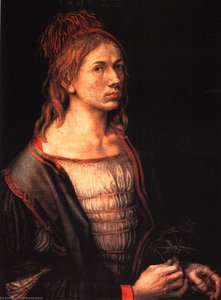
Explore 25 iconic artworks by Albrecht Dürer, a master of the German Renaissance. Discover the stories behind Melencolia I, Knight Death and Devil & more. Find museum-quality art reproductions for your home at Most-Famous-Paintings.com.

Journey through 10 breathtaking landscape paintings by Monet, Van Gogh & more! Explore iconic artworks, artistic techniques & find inspiration for your home decor. Museum-quality reproductions at Most-Famous-Paintings.com. Discover all masterpieces on Most-Famous-Paintings.com
가츠시카 호쿠사이의 최고 걸작 25선을 만나보세요. 우키요에, 대판화 기법과 후지산 풍경의 아름다움을 담은 명작들을 감상하고, Most-Famous-Paintings에서 고품질 아트 프린트와 인테리어 액자를 찾아보세요. 지금 바로 컬렉션을 탐험하세요!
런던 대영박물관의 숨겨진 이야기 25가지! 로제타석부터 파르테논 신전 조각까지, 역사와 예술이 살아 숨 쉬는 명작들을 만나보세요. 렘브란트, 반 고흐 등 거장들의 작품을 Most-Famous-Paintings.com에서 감상하고 특별한 인테리어를 완성하세요.

낭만주의 시대, 예술혼을 불태운 10대 풍경화 걸작! 터너부터 프리드리히까지, 시대를 초월하는 아름다움을 와후아트에서 만나보세요. 고흐의 색채와 코로의 섬세함이 당신의 공간에 영감을 더합니다. 지금 바로 와후아트에서 명품 미술 작품을 감상하고 구매하세요!


최신 미술 뉴스, 특별 혜택 및 인테리어 아이디어를 가장 먼저 만나보세요.
프로젝트에 대해 알려주시면 저희 미술 전문가들이 맞춤형 아트 제안 3가지를 전달해 드립니다.
당신만을 위한 맞춤형 옵션 3가지를 무료로 추천해 드립니다!


 미리보기
미리보기
 공유하기
공유하기 공유하기
공유하기
 상세 정보
상세 정보

 다운로드
다운로드
 유사 작품
유사 작품 X-레이
X-레이 슬라이드 쇼

 더 보기
더 보기









 유리 옵션은 110cm 미만 크기에서만 선택 가능합니다.