


x
 EngravingWallArtNorthern Renaissance Printmaking
 1495
1495 570.0 x 389.0 cm
 대영박물관
대영박물관빠른 제작과 다양한 마감 옵션을 제공하는 박물관 품질의 지클레이 또는 캔버스 프린트. ( 손으로 그린 그림 구매 이미지 구매)





























작품의 원본 비율을 유지하는 미리 설정된 크기 중에서 선택하세요.

특정 프레임이나 공간에 맞춰 직접 치수를 입력하실 수 있습니다. 선택하신 사이즈가 원본 이미지의 비율과 일치하지 않을 경우, 작품을 크롭(자르기)하거나 이미지를 대칭 또는 단색 채우기로 확장하여 제작합니다. 제작 시작 전, 최종 확인을 위해 디지털 목업이 전송됩니다.
화면상의 미리보기는 실제 크롭이나 확장 상태를 반영하지 않으므로, 최종 구도는 오직 목업을 통해서만 정확하게 확인하실 수 있습니다.
맞춤 사이즈 제작도 가능하지만, 원본 비율을 유지하기 위해서는 사전 정의된 목록에서 치수를 선택하시는 것을 권장합니다.

Crucifixion
복제본 크기
Albrecht Dürer's "Crucifixion," executed in 1495, isn’t merely a depiction of a biblical scene; it’s a profound meditation on suffering, faith, and the human condition rendered with an almost unbearable intensity. This monumental engraving, measuring over five feet tall, immediately commands attention not just for its scale but for the sheer emotional weight packed into every meticulously etched line. Dürer, a pivotal figure in the Northern Renaissance, masterfully utilizes the constraints of printmaking to achieve a level of realism and psychological depth rarely seen in his time. The work transcends simple illustration, becoming a powerful testament to the artist’s skill and his deeply felt engagement with religious iconography.
Dürer's genius lies not just in his subject matter but in his extraordinary technical prowess. The engraving is executed primarily through two distinct techniques – drypoint and burin – a masterful combination that yields both velvety softness and razor-sharp precision. Drypoint, achieved by scratching directly into the metal plate, creates delicate, almost charcoal-like lines, lending an ethereal quality to the drapery and facial features. Simultaneously, the burin technique delivers crisp, defined outlines, particularly evident in the musculature of Christ’s body and the angularity of the surrounding figures. This duality allows Dürer to build up incredible tonal range – subtle gradations of gray suggesting texture, volume, and even the play of light on skin and fabric. The cross itself is a marvel of controlled line work, its geometric stability juxtaposed with the organic forms of the human bodies it supports.
The composition of “Crucifixion” adheres to traditional religious iconography while simultaneously imbuing the scene with a deeply personal resonance. Christ, centrally positioned on the cross, is not idealized; he’s depicted as a vulnerable, suffering figure – his body contorted in agony, his face etched with pain. Surrounding him are figures of profound grief: Mary, her head bowed in sorrow, and other mourners expressing a range of emotions—despair, lamentation, and quiet reverence. The angels, positioned above the scene, aren’t simply observers; they embody divine compassion and witness to this pivotal moment. Notably, a small dog is depicted at the base of the cross – a detail often interpreted as representing fidelity and loyalty, mirroring Christ's unwavering devotion. The distant landscape, rendered with a degree of atmospheric perspective, anchors the scene within a broader context of earthly suffering and spiritual longing.
Created during the height of the Northern Renaissance, “Cruifixion” reflects the era’s fascination with realism and humanism. Dürer's meticulous attention to anatomical detail—a hallmark of his work—was influenced by his study of classical art and his own keen observation of the human form. However, this realism is tempered by a profound sense of emotional intensity. The engraving wasn’t simply intended as a historical record; it was designed to evoke empathy and contemplation in the viewer. Dürer's exploration of grief, sacrifice, and redemption speaks directly to universal themes of mortality and faith—themes that continue to resonate powerfully with audiences today. This work serves as a poignant reminder of the enduring power of art to capture not just visual likeness but also the very essence of human experience.
Most-Famous-Paintings offers meticulously crafted hand-painted reproductions of this iconic masterpiece, allowing you to bring its profound beauty and emotional depth into your home or studio. Each reproduction is created by skilled artists using archival quality materials, ensuring that the spirit and integrity of Dürer’s original work are faithfully preserved for generations to come.


1471 - 1528 , 이탈리아
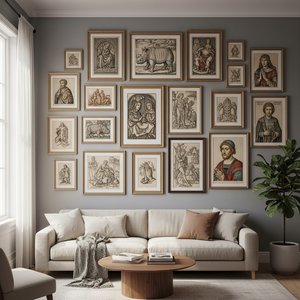
Explore 25 iconic artworks by Albrecht Dürer, a master of the German Renaissance. Discover the stories behind Melencolia I, Knight Death and Devil & more. Find museum-quality art reproductions for your home at Most-Famous-Paintings.com.
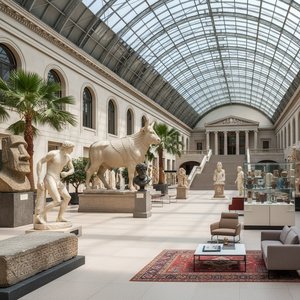
런던 대영박물관의 숨겨진 이야기 25가지! 로제타석부터 파르테논 신전 조각까지, 역사와 예술이 살아 숨 쉬는 명작들을 만나보세요. 렘브란트, 반 고흐 등 거장들의 작품을 Most-Famous-Paintings.com에서 감상하고 특별한 인테리어를 완성하세요.

Journey through art history with our Top 10 Legendary Engravings! Explore masterpieces by Dürer, Rembrandt & Goya. Discover the stories behind these iconic prints and find museum-quality reproductions for your home at Most-Famous-Paintings.com.

Explore the life & art of Albrecht Dürer, a pivotal German Renaissance master. Discover his groundbreaking printmaking techniques, iconic self-portraits, and lasting influence on Western art history. A deep dive into innovation & symbolism.

Explore the rich history of engraving with Most-Famous-Paintings. Discover techniques, iconic artists like Dürer & Callot, collecting tips, and expert guidance for preserving your art investment. Learn about intaglio printing & more!


최신 미술 뉴스, 특별 혜택 및 인테리어 아이디어를 가장 먼저 만나보세요.
프로젝트에 대해 알려주시면 저희 미술 전문가들이 맞춤형 아트 제안 3가지를 전달해 드립니다.
당신만을 위한 맞춤형 옵션 3가지를 무료로 추천해 드립니다!


 미리보기
미리보기
 공유하기
공유하기 공유하기
공유하기
 상세 정보
상세 정보

 다운로드
다운로드
 유사 작품
유사 작품 X-레이
X-레이 슬라이드 쇼
 더 보기
더 보기









 유리 옵션은 110cm 미만 크기에서만 선택 가능합니다.


