x
원하는 크기와 액자로 주문 제작되는, 작가들이 직접 캔버스에 손으로 그린 유화 작품입니다. ( 프린트 주문으로 전환 이미지로 전환)





























작품의 원본 비율을 유지하는 미리 설정된 크기 중에서 선택하세요.

특정 프레임이나 공간에 맞도록 직접 크기를 입력할 수 있습니다. 선택하신 크기가 원본 이미지의 비율과 일치하지 않는 경우, 작품을 자르거나 추가적인 손으로 그린 요소를 사용하여 그림을 확장합니다. 제작 시작 전 승인을 위해 디지털 목업을 보내드립니다.
화면 미리 보기는 실제 자르기 또는 확장을 반영하지 않습니다. 최종 구성은 목업을 통해서만 정확하게 확인하실 수 있습니다.
맞춤 크기 제작도 가능하지만, 원본 비율을 유지하기 위해 사전 정의된 목록에서 크기를 선택하시는 것을 권장합니다.

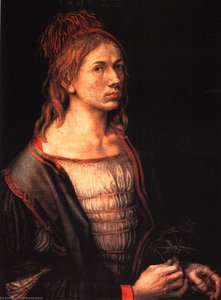
Harebells
복제본 크기
Albrecht Dürer's "Harebells," a captivating oil painting brimming with the vibrant energy of nature, stands as a testament to the artist’s unparalleled skill and his pivotal role in shaping the Northern Renaissance. Executed around 1507, this work transcends a simple depiction of flowers; it is an intensely personal exploration of beauty, proportion, and the very essence of observation – qualities that would define Dürer's legacy. The painting immediately draws the eye to the meticulously rendered bouquet, a riot of color and form that speaks volumes about the artist’s deep understanding of both botanical detail and artistic composition. It’s a piece that invites prolonged contemplation, revealing new nuances with each viewing.
Beyond its technical brilliance, “Harebells” resonates with the symbolic language of the Renaissance. Flowers held profound meaning within this era, often representing virtues, emotions, or allegorical concepts. While the precise symbolism of each bloom in Dürer’s bouquet remains open to interpretation, the overall effect evokes a sense of harmony and balance – a core tenet of Renaissance artistic philosophy. The meticulous detail with which he renders each flower suggests an appreciation for the natural world and a desire to capture its beauty with scientific precision. This reflects the humanist ideals that were gaining prominence during Dürer’s time, emphasizing human potential and the importance of observation.
Created in the early 16th century, “Harebells” reflects a period of immense artistic and intellectual ferment. Dürer was deeply influenced by Italian Renaissance masters like Leonardo da Vinci and Botticelli, yet he forged his own distinctive style—one characterized by rigorous observation, technical virtuosity, and a profound understanding of perspective and proportion. This painting exemplifies his commitment to exploring the relationship between art and science, reflecting a growing interest in natural history and anatomical accuracy that was characteristic of the era. Dürer’s work served as an important bridge between the Gothic and Renaissance artistic traditions, solidifying his place as one of the most influential artists of the Northern Renaissance.


1471 - 1528 , 이탈리아
가츠시카 호쿠사이의 최고 걸작 25선을 만나보세요. 우키요에, 대판화 기법과 후지산 풍경의 아름다움을 담은 명작들을 감상하고, Most-Famous-Paintings에서 고품질 아트 프린트와 인테리어 액자를 찾아보세요. 지금 바로 컬렉션을 탐험하세요!
초기 르네상스 미술의 정수를 담은 명작 10! 보티첼리, 다비드 등 거장의 숨결을 느껴보세요. 예술 작품 탄생 비화와 아름다운 색채를 탐구하고, Most-Famous-Paintings.com에서 고품질 아트 프린트 & 인테리어 영감을 얻으세요. 지금 바로 온라인 컬렉션을 만나보세요!
라파엘의 걸작 25선을 만나보세요. 르네상스 시대 예술가의 섬세한 기법과 영혼을 담은 명화들을 감상하고, 아테네 학당, 천사의 학교 등 대표 작품의 숨겨진 이야기를 Most-Famous-Paintings에서 확인하세요. 고급 아트 프린트로 공간에 우아함을 더해보세요! 지금 바로 컬렉션을 탐험하세요.

Explore 10 famous paintings bathed in captivating dusty rose tones! From Monet to Bouguereau, discover romantic Impressionism & Renaissance masterpieces. Find museum-quality art reproductions and elevate your home decor with Most-Famous-Paintings.com. Explore the full collection online.
고야의 걸작 25선을 만나보세요. 스페인 화가 Francisco Goya의 낭만주의 회화, 어두운 색조와 강렬한 감성이 담긴 명화를 Most-Famous-Paintings에서 감상하세요. 고품질 유화 복제본으로 예술 작품을 소장하고 홈 데코를 완성해보세요! 지금 바로 컬렉션을 탐험하세요.


최신 미술 뉴스, 특별 혜택 및 인테리어 아이디어를 가장 먼저 만나보세요.
프로젝트에 대해 알려주시면 저희 미술 전문가들이 맞춤형 아트 제안 3가지를 전달해 드립니다.
당신만을 위한 맞춤형 옵션 3가지를 무료로 추천해 드립니다!


 미리보기
미리보기
 공유하기
공유하기 공유하기
공유하기
 상세 정보
상세 정보

 다운로드
다운로드
 유사 작품
유사 작품 X-레이
X-레이 슬라이드 쇼

 더 보기
더 보기









 유리 옵션은 110cm 미만 크기에서만 선택 가능합니다.