x

빠른 제작과 다양한 마감 옵션을 제공하는 박물관 품질의 지클레이 또는 캔버스 프린트. ( Switch to hand made Painting Switch to Image)





























작품의 원본 비율을 유지하는 미리 설정된 크기 중에서 선택하세요.

특정 프레임이나 공간에 맞춰 직접 치수를 입력하실 수 있습니다. 선택하신 사이즈가 원본 이미지의 비율과 일치하지 않을 경우, 작품을 크롭(자르기)하거나 이미지를 대칭 또는 단색 채우기로 확장하여 제작합니다. 제작 시작 전, 최종 확인을 위해 디지털 목업이 전송됩니다.
화면상의 미리보기는 실제 크롭이나 확장 상태를 반영하지 않으므로, 최종 구도는 오직 목업을 통해서만 정확하게 확인하실 수 있습니다.
맞춤 사이즈 제작도 가능하지만, 원본 비율을 유지하기 위해서는 사전 정의된 목록에서 치수를 선택하시는 것을 권장합니다.

John
복제본 크기
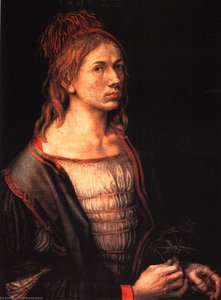
Albrecht Dürer’s ‘John,’ a monochrome drawing executed with the precision and profound understanding of human form that defined his career, offers a captivating glimpse into the heart of the Northern Renaissance. Dating from around 1500, this piece transcends a simple portrait; it is an intensely personal study, a meditation on stillness and reverence rendered in graphite or charcoal with breathtaking skill. The drawing’s power lies not just in its technical mastery – Dürer's meticulous attention to detail is immediately apparent – but also in the palpable sense of introspection that emanates from the figure himself. The plain background serves only to amplify the subject, forcing the viewer into a direct engagement with his pose and expression.
While ‘John’ lacks overt symbolic imagery – no religious iconography or allegorical figures are present – its very essence speaks to profound themes of contemplation and humility. The figure's posture, with his arms crossed and holding an object (likely a bowl) close to his chest, suggests a moment of quiet reflection, perhaps even reverence. This deliberate stillness invites the viewer to share in his internal state, fostering a sense of solemnity and introspection. Considering Dürer’s own deeply spiritual leanings and his frequent explorations of religious subjects, it's plausible that this drawing served as a personal devotional exercise, a means of connecting with something larger than himself.
‘John’ is firmly rooted in the artistic landscape of the Northern Renaissance, a period characterized by an unparalleled focus on realism and meticulous detail. Dürer was a pivotal figure in this movement, pushing the boundaries of drawing technique and anatomical accuracy. His work reflects the humanist ideals of the era – a renewed interest in classical antiquity combined with a deep appreciation for the natural world and the human form. Dürer’s influence extended far beyond his own time, shaping the course of artistic development for generations to come. This particular piece exemplifies the Northern Renaissance's emphasis on direct observation and skillful rendering, qualities that distinguish it from the more idealized styles prevalent in Italy at the time.

1471 - 1528 , 이탈리아

Elevate your interiors with impactful statement walls! Expert guide on scaling artwork for perfect proportions & design harmony. Custom solutions & free consultations at Most-Famous-Paintings.

Explore the life & art of Albrecht Dürer, a pivotal German Renaissance master. Discover his groundbreaking printmaking techniques, iconic self-portraits, and lasting influence on Western art history. A deep dive into innovation & symbolism.

Journey through 10 legendary etching masterpieces by Rembrandt, Dürer & Goya. Explore the history of printmaking and discover timeless art for your home. Find museum-quality reproductions at Most-Famous-Paintings.com.

Most-Famous-Paintings.com에서 최고급 수집가를 위한 맞춤 벽화 및 프레스코 제작 서비스를 경험하세요. 숙련된 아티스트의 섬세한 손길로 공간을 예술 작품으로 완성해 드립니다. 규모, 설치, 재료 선택까지 전문가가 책임집니다.

레스토랑 조명 디자인의 핵심 전략을 탐구합니다. 키아로스쿠로 기법부터 공간별 최적화, 색온도 선택까지, 미식 경험을 극대화하는 시각적 응집력을 높이는 방법을 전문가 관점에서 제시합니다.


최신 미술 뉴스, 특별 혜택 및 인테리어 아이디어를 가장 먼저 만나보세요.
프로젝트에 대해 알려주시면 저희 미술 전문가들이 맞춤형 아트 제안 3가지를 전달해 드립니다.
당신만을 위한 맞춤형 옵션 3가지를 무료로 추천해 드립니다!


 Preview
 공유하기
공유하기 공유하기
공유하기
 상세 정보
상세 정보

 다운로드
다운로드
 유사 작품
유사 작품 X-레이
X-레이 슬라이드 쇼

 더 보기
더 보기









 유리 옵션은 110cm 미만 크기에서만 선택 가능합니다.