x
 52.0 x 59.0 cm
 Royal College of Art
작품의 원본 비율을 유지하는 미리 설정된 크기 중에서 선택하세요.

특정 프레임이나 공간에 맞도록 직접 크기를 입력할 수 있습니다. 선택하신 크기가 원본 이미지의 비율과 일치하지 않는 경우, 작품을 자르거나 추가적인 손으로 그린 요소를 사용하여 그림을 확장합니다. 제작 시작 전 승인을 위해 디지털 목업을 보내드립니다.
화면 미리 보기는 실제 자르기 또는 확장을 반영하지 않습니다. 최종 구성은 목업을 통해서만 정확하게 확인하실 수 있습니다.
맞춤 크기 제작도 가능하지만, 원본 비율을 유지하기 위해 사전 정의된 목록에서 크기를 선택하시는 것을 권장합니다.

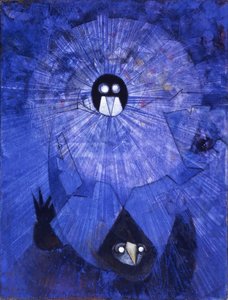
Abstract Composition (Bridge at Étaples)
복제본 크기

Alistair Grant (1925–1997) stands as a monumental figure in British printmaking and modern art, recognized for his distinctive approach to abstraction and his unwavering dedication to fostering artistic exploration. Born in London amidst the backdrop of post-war Britain, Grant’s formative years were deeply rooted in Normandy, France—specifically Etaples—where he resided throughout his life, profoundly shaping his artistic vision.
His father, a Scottish immigrant, instilled in him a blend of cultural influences that would permeate his oeuvre. Despite initially pursuing veterinary studies, Grant swiftly gravitated towards art school, enrolling at Birmingham College of Art (1941–43) before serving with the RAF during World War II. This military experience broadened his horizons and honed his observational skills.
Returning to academia after the war, Grant excelled at Royal College of Art (RCA), where he studied under luminaries like Carel Weight and Ruskin Spear—artists who championed experimentation and innovation. He embraced printmaking with fervor, mastering lithography and etching techniques under Edwin La Dell and Robert Austin, establishing himself as a masterful craftsman.
Grant’s tenure at RCA spanned three decades (1955–90), culminating in his role as Head of Department from 1970 to 1990 and Professor Emeritus from 1984 to 1990. During this period, he nurtured a vibrant printmaking community, attracting talented students and fostering collaborative projects—a testament to his belief that rigorous critique stimulates creativity and resilience.
Beyond RCA, Grant’s artistic pursuits extended across diverse mediums, including painting, collage, and illustration. He collaborated with fellow artists like Michael Rothenstein, Julian Trevelyan, Eric Ravilious, and Peter Green, engaging in dialogues about art and technique that enriched the British printmaking landscape. His work was showcased internationally at events such as the Print Biennale Ljubljana (1972), cementing his reputation as a visionary artist.
Grant’s artistic style evolved from figurative representations to increasingly abstract explorations—characterized by bold colors, dynamic compositions, and evocative imagery inspired by landscapes, particularly those of Normandy. He famously stated, “For me, my pictures are a transcription of my feelings for boats, for the sea, the light, for a privileged moment…” This sentiment encapsulates his artistic ethos: capturing fleeting impressions and conveying profound emotional resonance.
Grant’s legacy extends beyond his individual artworks; he championed printmaking as an art form and instilled in generations of students a commitment to experimentation and artistic integrity. His influence continues to resonate within the British art world, ensuring that Alistair Grant's contribution to modern art remains celebrated for years to come.

1925 - 1997


최신 미술 뉴스, 특별 혜택 및 인테리어 아이디어를 가장 먼저 만나보세요.
프로젝트에 대해 알려주시면 저희 미술 전문가들이 맞춤형 아트 제안 3가지를 전달해 드립니다.
당신만을 위한 맞춤형 옵션 3가지를 무료로 추천해 드립니다!


 미리보기
미리보기
 프린트 구매
 공유하기
공유하기 공유하기
공유하기
 상세 정보
상세 정보

 다운로드
다운로드
 유사 작품
유사 작품 X-레이
X-레이 슬라이드 쇼
 더 보기
더 보기






































 유리 옵션은 110cm 미만 크기에서만 선택 가능합니다.