


x
원하는 크기와 액자로 주문 제작되는, 작가들이 직접 캔버스에 손으로 그린 유화 작품입니다. ( Switch to Print Switch to Image)





























작품의 원본 비율을 유지하는 미리 설정된 크기 중에서 선택하세요.

특정 프레임이나 공간에 맞도록 직접 크기를 입력할 수 있습니다. 선택하신 크기가 원본 이미지의 비율과 일치하지 않는 경우, 작품을 자르거나 추가적인 손으로 그린 요소를 사용하여 그림을 확장합니다. 제작 시작 전 승인을 위해 디지털 목업을 보내드립니다.
화면 미리 보기는 실제 자르기 또는 확장을 반영하지 않습니다. 최종 구성은 목업을 통해서만 정확하게 확인하실 수 있습니다.
맞춤 크기 제작도 가능하지만, 원본 비율을 유지하기 위해 사전 정의된 목록에서 크기를 선택하시는 것을 권장합니다.

(45)
복제본 크기
Alphonse Maria Mucha (1860 – 1939), born in Ivanačice, Moravia, stands as a towering figure within the Art Nouveau movement—a stylistic revolution that swept across Europe between 1890 and 1910. Rejecting academic conventions, Mucha forged his own path toward an aesthetic rooted in organic forms, flowing lines, and meticulous ornamentation, establishing himself as arguably the most prolific and influential illustrator of his era.
Early Life and Artistic Aspirations
From a young age, Mucha demonstrated exceptional artistic talent. Despite facing challenges securing acceptance into the Academy of Fine Arts in Prague—where he felt stifled by rigid rules—he persevered, honing his skills independently before relocating to Paris in 1887. This decisive move proved pivotal, immersing him in the vibrant intellectual and artistic milieu of the Belle Époque and propelling him toward the realization of his distinctive vision.
The Art Nouveau Style: A Symphony of Line and Form
Mucha’s artistic style is instantly recognizable—a mesmerizing blend of curvilinear lines, stylized floral motifs, and graceful curves that embody the movement's core principles. Heavily influenced by artists like Pierre-Auguste Renoir and Gustave Moreau, Mucha skillfully incorporated elements from Japanese art and Celtic symbolism into his compositions.
Notable Illustrations: Capturing Beauty and Myth
Mucha’s prolific output yielded a remarkable body of work—primarily illustrations for theater posters and advertising campaigns—that cemented his reputation as the “Poet of Decorative Art.” His celebrated images include “The Slavonic Uprising,” which deftly combines Czech nationalistic themes with Art Nouveau aesthetics; “Salon des Cent,” showcasing collaborations with fellow artists like Piero Dorazio; and evocative depictions inspired by works such as Gustave Moreau’s “The Daughters of Tespio” and Sir Hubert von Herkomer's "Young Farmers Breaking Flax." These pieces transcend mere visual representation, conveying profound narratives imbued with mythological references and psychological depth.
Technique and Symbolism: Craftsmanship Meets Imagination
Mucha’s technique involved painstaking hand-painting—primarily utilizing oil paints—with meticulous attention to detail and layering. He embraced innovative printing methods, experimenting with chromolithography and halftone printing to achieve stunning color reproductions. Recurring motifs—such as irises, lilies, and stylized female figures—carried symbolic significance, reflecting themes of femininity, spirituality, and the harmonious relationship between humanity and nature.
Emotional Impact: A Legacy of Elegance and Enchantment
Ultimately, Mucha’s art possesses an enduring emotional resonance—capturing a sense of romanticism, elegance, and enchantment that continues to inspire artists and designers today. His masterful manipulation of line and color creates images that are both visually captivating and psychologically stimulating, transporting viewers into worlds of beauty and wonder. Alphonse Maria Mucha remains not merely an artist but a cultural icon—a testament to the transformative power of artistic vision.

1860 - 1939 , 체코 공화국

Explore 10 famous paintings bathed in 'Pale Goldenrod' tones! From Van Gogh’s sunflowers to Monet’s haystacks, discover the stories & artistry behind these iconic artworks. Find museum-quality reproductions and curated decor ideas at Most-Famous-Paintings.com.
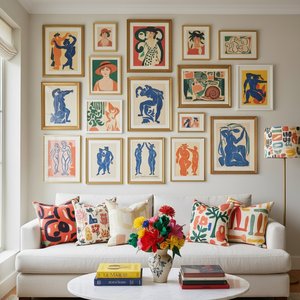
앙리 마티스의 시대를 초월하는 걸작 25선을 만나보세요. 색채주의, 야수파를 대표하는 그의 삶과 예술 세계를 탐험하고, Most-Famous-Paintings에서 명화 복제본으로 거실 인테리어에 감동을 더하세요. 지금 바로 컬렉션을 확인하세요!

Explore the rich history of illustration! From ancient cave paintings to Art Nouveau masterpieces, discover how visual storytelling has shaped culture. Expert insights & stunning examples.

Explore 10 iconic artworks – from Monet to Matisse – that masterfully use color! Discover the stories behind these vibrant paintings, their techniques & emotional impact. Find museum-quality art reproductions and inspiring decor ideas on Most-Famous-Paintings.com.

아르누보 미술의 정수를 담은 10대 걸작을 만나보세요! 무하, 클림트 등 거장의 작품부터 유기적 곡선과 자연주의 색감이 돋보이는 예술 세계를 탐험하고, Most-Famous-Paintings.com에서 고품질 아트 프린트를 찾아 당신의 공간에 예술적인 영감을 더하세요.


최신 미술 뉴스, 특별 혜택 및 인테리어 아이디어를 가장 먼저 만나보세요.
프로젝트에 대해 알려주시면 저희 미술 전문가들이 맞춤형 아트 제안 3가지를 전달해 드립니다.
당신만을 위한 맞춤형 옵션 3가지를 무료로 추천해 드립니다!


 Preview
 공유하기
공유하기 공유하기
공유하기
 상세 정보
상세 정보

 다운로드
다운로드
 유사 작품
유사 작품 X-레이
X-레이 슬라이드 쇼
 더 보기
더 보기









 유리 옵션은 110cm 미만 크기에서만 선택 가능합니다.


