


x
원하는 크기와 액자로 주문 제작되는, 작가들이 직접 캔버스에 손으로 그린 유화 작품입니다. ( Switch to Print Switch to Image)
작품의 원본 비율을 유지하는 미리 설정된 크기 중에서 선택하세요.

특정 프레임이나 공간에 맞도록 직접 크기를 입력할 수 있습니다. 선택하신 크기가 원본 이미지의 비율과 일치하지 않는 경우, 작품을 자르거나 추가적인 손으로 그린 요소를 사용하여 그림을 확장합니다. 제작 시작 전 승인을 위해 디지털 목업을 보내드립니다.
화면 미리 보기는 실제 자르기 또는 확장을 반영하지 않습니다. 최종 구성은 목업을 통해서만 정확하게 확인하실 수 있습니다.
맞춤 크기 제작도 가능하지만, 원본 비율을 유지하기 위해 사전 정의된 목록에서 크기를 선택하시는 것을 권장합니다.

evestar
복제본 크기
Alphonse Mucha’s “Evostar,” painted in 1902, is more than just a depiction of a woman; it's an embodiment of the Art Nouveau movement at its zenith. This captivating artwork immediately draws the viewer into a world of flowing lines, organic forms, and a profound sense of movement – hallmarks of Mucha’s distinctive style. The image portrays a figure in a luxurious, billowing dress, arms outstretched as if caught mid-dance or gesture, radiating an aura of serene elegance and poised beauty. The gold frame surrounding the piece isn't merely decorative; it elevates the scene, suggesting a masterpiece worthy of display within a grand salon or private collection.
Mucha’s artistic journey began in Brno, Czech Republic, shaped by early exposure to music and a deep appreciation for nationalistic themes. His time at the Prague Academy of Fine Arts proved formative, though ultimately disillusioning, leading him to Paris in 1887 – a pivotal moment where he forged his own path. “Evostar” exemplifies this self-defined style perfectly. Influenced by artists like Pierre-Auguste Renoir and Gustave Moreau, Mucha masterfully blended classical ideals with a distinctly modern sensibility. The flowing lines of the dress, the delicate rendering of fabric, and the overall composition are all characteristic of Art Nouveau’s fascination with nature's curves and its rejection of rigid academic conventions. The piece speaks to a desire for beauty that transcends mere representation – it seeks to evoke an emotional response through form and color.
The woman in “Evostar” embodies the idealized feminine figure so frequently depicted by Mucha. Her posture, with arms outstretched, suggests both grace and invitation, a timeless symbol of beauty and allure. While the precise narrative is open to interpretation, it aligns with Art Nouveau’s penchant for allegorical themes and romanticized depictions of women. The necklace she wears adds an element of opulence and sophistication, further enhancing her captivating presence. The color palette – dominated by golds, creams, and subtle greens – contributes significantly to the artwork's ethereal quality, evoking a sense of twilight or evening, hence the title “Evostar.”
Created in 1902, "Evostar" reflects Mucha’s refined technique. He was renowned for his meticulous attention to detail, particularly in rendering fabrics and textures. The layering of paint creates a luminous effect, capturing the play of light on the woman's dress with remarkable skill. This artwork emerged during a period of immense artistic innovation – the Art Nouveau movement was rapidly gaining momentum across Europe. Mucha’s success, largely due to his commissions for Sarah Bernhardt and his innovative poster designs, helped solidify Art Nouveau as a dominant aesthetic. Reproductions like this allow us to appreciate not only Mucha's genius but also the broader cultural context in which he worked, a world captivated by beauty, elegance, and the promise of a new artistic era.

1860 - 1939 , 체코 공화국

와호아트(Most-Famous-Paintings)는 역사적인 명작을 손수 재현하고 개인 맞춤 예술 작품 제작 서비스를 제공합니다. 20년 이상의 경험과 장인 정신으로 탄생한 프리미엄 미술품, 지금 바로 만나보세요.

Elevate your space with custom paintings! Expert guide to scaling, framing & lighting artwork for aesthetic impact. Museum-quality reproductions & personalized art consultations at Most-Famous-Paintings.
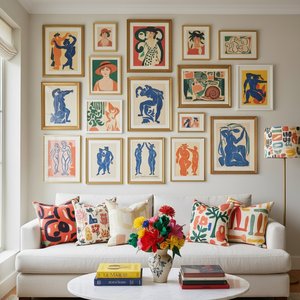
앙리 마티스의 시대를 초월하는 걸작 25선을 만나보세요. 색채주의, 야수파를 대표하는 그의 삶과 예술 세계를 탐험하고, Most-Famous-Paintings에서 명화 복제본으로 거실 인테리어에 감동을 더하세요. 지금 바로 컬렉션을 확인하세요!

Explore the rich history of rivers in painting! Discover masterpieces from ancient times to Impressionism & beyond. Learn about symbolism, artists like Monet & Daubigny, and find your perfect serene artwork at Most-Famous-Paintings.

Explore the rich history of illustration! From ancient cave paintings to Art Nouveau masterpieces, discover how visual storytelling has shaped culture. Expert insights & stunning examples.


최신 미술 뉴스, 특별 혜택 및 인테리어 아이디어를 가장 먼저 만나보세요.
프로젝트에 대해 알려주시면 저희 미술 전문가들이 맞춤형 아트 제안 3가지를 전달해 드립니다.
당신만을 위한 맞춤형 옵션 3가지를 무료로 추천해 드립니다!


 공유하기
공유하기 공유하기
공유하기
 상세 정보
상세 정보

 다운로드
다운로드
 유사 작품
유사 작품 슬라이드 쇼

 더 보기
더 보기






































 유리 옵션은 110cm 미만 크기에서만 선택 가능합니다.


