x





























작품의 원본 비율을 유지하는 미리 설정된 크기 중에서 선택하세요.

특정 프레임이나 공간에 맞도록 직접 크기를 입력할 수 있습니다. 선택하신 크기가 원본 이미지의 비율과 일치하지 않는 경우, 작품을 자르거나 추가적인 손으로 그린 요소를 사용하여 그림을 확장합니다. 제작 시작 전 승인을 위해 디지털 목업을 보내드립니다.
화면 미리 보기는 실제 자르기 또는 확장을 반영하지 않습니다. 최종 구성은 목업을 통해서만 정확하게 확인하실 수 있습니다.
맞춤 크기 제작도 가능하지만, 원본 비율을 유지하기 위해 사전 정의된 목록에서 크기를 선택하시는 것을 권장합니다.

Skull
복제본 크기
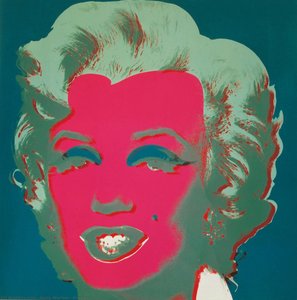
In the vast landscape of twentieth-century art, few images possess the immediate, visceral impact of Andy Warhol’s “Skull.” Created in 1965, this masterpiece serves as a profound meditation on the intersection of mortality and mass media. At first glance, the viewer is met with an arresting, high-contrast composition: a stark, vibrant yellow background that radiates with an almost artificial intensity, framing a skull rendered in muted, ghostly greens. This deliberate use of color does not merely decorate the canvas; it creates a psychological tension, pulling the eye toward the central, hollowed form. The presence of a concentric yellow circle enveloping the skull acts as a visual halo, transforming a grim symbol of death into a piece of modern iconography that feels both sacred and commercial.
The brilliance of this work lies in its ability to bridge the gap between the macabre and the mundane. Warhol, a master of the Pop Art movement, utilized the silkscreen printing technique to strip away the traditional layers of painterly depth, opting instead for a deliberate flatness. This mechanical approach was revolutionary, as it mimicked the aesthetics of mass production and advertising. By utilizing stencils to achieve consistent color saturation, Warhol challenged the very notion of the "unique" art object, suggesting that even our most profound fears—such as death—are subject to the repetitive, glossy consumption of popular culture. For the collector or interior designer, this technique offers a graphic clarity that allows the artwork to command attention in any modern setting, acting as a bold focal point that balances heavy symbolism with clean, contemporary lines.
To understand “Skull,” one must look beyond the pigment to the turbulent atmosphere of mid-sixties America. The piece emerged from a period defined by profound social anxiety, marked by the shadows of the Vietnam War and the intense struggles of the civil rights movement. In this climate, the skull became more than just a biological remnant; it was a universal emblem of the pervasive fear of mortality that gripped the collective psyche. Warhol’s genius was in his ability to take this heavy, existential dread and recontextualize it through the lens of celebrity and repetition. He transformed the memento mori—the traditional artistic reminder of death—into something that feels as ubiquitous and inescapable as a magazine advertisement.
For those seeking to integrate such a piece into a curated space, “Skull” offers an unparalleled emotional depth. It is a work that invites contemplation, prompting the viewer to reflect on the fleeting nature of life amidst the noise of modern existence. Whether placed in a minimalist gallery-style living room or a sophisticated studio, the painting provides a sophisticated dialogue between color and concept. It does not merely decorate a wall; it anchors a room with its historical weight and striking visual rhythm, making it an essential acquisition for anyone captivated by the enduring legacy of Andy Warhol and the transformative power of Pop Art.
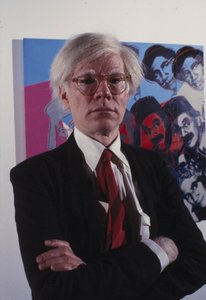
1928 - 1987 , 미국

Explore the provocative world of Aggressive Pop Art. Discover how confrontational imagery, bold saturated hues, and mass media deconstruction redefined modern aesthetics through an expert art-historical lens.


최신 미술 뉴스, 특별 혜택 및 인테리어 아이디어를 가장 먼저 만나보세요.
프로젝트에 대해 알려주시면 저희 미술 전문가들이 맞춤형 아트 제안 3가지를 전달해 드립니다.
당신만을 위한 맞춤형 옵션 3가지를 무료로 추천해 드립니다!


 미리보기
미리보기
 프린트 구매
 공유하기
공유하기 공유하기
공유하기
 상세 정보
상세 정보

 다운로드
다운로드
 유사 작품
유사 작품 X-레이
X-레이 슬라이드 쇼

 더 보기
더 보기









 유리 옵션은 110cm 미만 크기에서만 선택 가능합니다.