


x






























작품의 원본 비율을 유지하는 미리 설정된 크기 중에서 선택하세요.

특정 프레임이나 공간에 맞도록 직접 크기를 입력할 수 있습니다. 선택하신 크기가 원본 이미지의 비율과 일치하지 않는 경우, 작품을 자르거나 추가적인 손으로 그린 요소를 사용하여 그림을 확장합니다. 제작 시작 전 승인을 위해 디지털 목업을 보내드립니다.
화면 미리 보기는 실제 자르기 또는 확장을 반영하지 않습니다. 최종 구성은 목업을 통해서만 정확하게 확인하실 수 있습니다.
맞춤 크기 제작도 가능하지만, 원본 비율을 유지하기 위해 사전 정의된 목록에서 크기를 선택하시는 것을 권장합니다.

St. Jerome
복제본 크기
Annibale Carracci's "St. Jerome in the Wilderness," painted around 1597-1600, is not merely a depiction of a biblical figure; it’s a profound exploration of inner turmoil and divine grace rendered with the dynamism and emotional intensity that defined the burgeoning Baroque style. This oil on canvas, currently housed at The Metropolitan Museum of Art in New York, offers a glimpse into the artist's masterful command of color, composition, and psychological depth – qualities that cemented Carracci’s place as a pivotal figure in Italian art history.
The scene unfolds within a stark, almost desolate landscape, dominated by towering rock formations and a bruised, stormy sky. St. Jerome, clad in the simple, earth-toned robes of a hermit, is positioned centrally, his posture conveying both physical exhaustion and an unwavering resolve. His face, etched with lines of hardship and contemplation, bears witness to years of self-imposed penance – a three-year fast undertaken as atonement for past sins. The artist skillfully captures the weight of this struggle through subtle shifts in expression; a furrowed brow, a downward gaze, and the clenched fist gripping a stone, used repeatedly to beat his chest in a desperate attempt to quell overwhelming temptations. Yet, amidst this palpable suffering, there’s an undeniable sense of serenity, a quiet acceptance that speaks volumes about the saint's spiritual journey.
Carracci’s technique is characterized by a remarkable synthesis of influences – a careful balance between the linear precision of Florentine masters like Raphael and the atmospheric richness of Venetian painters such as Titian. The painting's palette is rich and vibrant, utilizing deep blues, ochres, and browns to create a sense of dramatic depth and volume. Notice how Carracci employs *chiaroscuro* – the masterful use of light and shadow – to sculpt Jerome’s form and draw the viewer’s eye directly to his face, emphasizing his inner struggle. The swirling clouds in the background contribute to a feeling of movement and turbulence, mirroring the tempest within the saint's soul.
Furthermore, Carracci breaks from the static compositions favored by earlier Renaissance artists, injecting a sense of dynamism into the scene. Jerome is not presented as an idealized figure; he’s a man wrestling with his demons, caught in a moment of intense emotional and spiritual confrontation. This departure from traditional iconography reflects the Baroque emphasis on realism and psychological truth – a shift away from purely decorative representations towards works that aimed to evoke powerful emotions and engage the viewer on a deeper level.
The painting is laden with symbolic meaning, reflecting the broader religious context of the Counter-Reformation. The desert landscape represents Jerome’s isolation and spiritual wilderness, while the stone he beats his chest upon symbolizes the relentless battle against temptation. The angels ascending above him are not merely celestial messengers; they represent divine grace and the promise of redemption. The red cardinal's robe, visible on Jerome’s shoulders, is a potent symbol of his eventual elevation to the highest rank in the Church – a testament to his unwavering faith and dedication.
Interestingly, the composition echoes elements found in earlier depictions of St. Jerome, particularly those by Hieronymus Bosch, suggesting a shared visual vocabulary rooted in medieval iconography. However, Carracci’s interpretation is markedly more personal and emotionally charged, reflecting the artist's own spiritual struggles and his desire to convey the profound experience of conversion.
"St. Jerome in the Wilderness" stands as a powerful example of Carracci’s artistic genius – a testament to his ability to fuse technical mastery with emotional depth and symbolic richness. It's a painting that invites contemplation, prompting viewers to consider not only the saint’s personal journey but also their own struggles with faith, temptation, and redemption. Reproductions of this work capture much of its original impact, offering a window into the heart of the Baroque era and the enduring power of human spirituality.
1560년 11월 3일 볼로냐에서 태어난 안니발레 카라치는 예술적 전통이 깊게 뿌리내린 가문 출신이었다. 그의 초기 훈련은 가족 공방이라는 포근한 환경 속에서 이루어졌을 가능성이 높으며, 이는 이탈리아 회화의 지형을 근본적으로 바꾸는 경력을 위한 토대를 마련했다. 당시 볼로냐는 지적 및 예술적 발효가 활발한 도시였지만, 로마와 베네치아에서 흘러나오는 주요 흐름과는 다소 거리가 있었다. 이러한 변방적인 느낌은 안니발레를 비롯한 젊은 예술가 그룹에게 새로운 길을 개척하려는 열망을 불러일으켰다. 그들은 르네상스 시대의 거장들을 참고하면서도 보다 자연주의적 접근 방식을 채택하여 이탈리아 예술을 되살리고자 했다.
1582년, 이러한 야망은 안니발레의 형 아고스티노와 사촌 루도비코와 함께 *아카데미아 델리 인카미나티*를 설립하면서 현실화되었다. 이 곳은 단순한 공방이 아니었다. 이는 예술적 혁신의 용광로이자, 엄격한 데생 훈련, 열띤 토론, 그리고 집단적인 예술적 탁월성 추구를 위한 공간이었다. 아카데미의 이름 자체—"진보하는 사람들"—그들의 의도를 상징했다. 즉, 마니에리스모의 스타일적 복잡성을 넘어 보다 현실에 기반한, 감정적으로 공명하는 표현 방식을 향해 나아가겠다는 것이다. 인카미나티는 유럽 전역의 미술 아카데미 모델이 되었으며, 삶에서 관찰을 예술 훈련의 초석으로 강조했다.
안니발레 카라치의 예술적 비전은 진공 상태에서 탄생한 것이 아니었다. 그는 과거 거장들의 유산을 깊이 있게 탐구하며 세심하게 만들어졌다. 그는 라파엘과 안드레아 델 사르토의 작품에서 발견되는 선명한 선과 구성적 균형을 존경하며 그들의 우아함과 조화를 모방하려고 노력했다. 그러나 티티안과 같은 베네치아 화가들이 주창한 색채와 대기 효과의 힘 또한 인정하고, 자신의 작품에 생생한 광휘와 감정적 깊이를 불어넣었다.
코레조의 영향은 특히 역동적인 구성과 환상 기법에서 두드러지게 나타났으며, 이는 그의 프레스코화에서 잘 드러났다. 그는 단순히 이러한 거장들을 모방한 것이 아니었다. 그들의 강점을 흡수하여 새로운 것을 창조했다. 이 절충주의적 혼합은 볼로냐 학파의 특징이 되었으며, 고전적인 이상과 자연주의적 관찰을 모두 강조하는 바로크 미술의 중요한 분파였다. 카라치의 천재성은 서로 다른 요소를 조화롭게 결합하여 지적 엄격함과 감정적 힘으로 공명하는 전체를 창조하는 능력에 있었다.
팔라초 파르네세 장식 의뢰는 안니발레 카라치의 경력에서 중요한 순간을 의미했다. 이 기념비적인 의뢰—신화 속 장면을 묘사한 광대한 프레스코화 사이클—그에게 그의 예술적 기량을 선보이고 대규모로 명성을 확립할 수 있는 비교할 수 없는 기회를 제공했다. 바쿠스와 아리아드네의 승리, 아마도 그의 걸작으로 여겨지는 작품은 환상적인 기술, 역동적인 구성, 그리고 생생한 색채의 숨막히는 전시였다. 프레스코화는 회화와 현실 사이의 경계를 허물고 관람자를 신화적 웅장함의 세계로 끌어들인다.
*승리* 외에도 카라치는 팔라초 파르네세에서 신들의 사랑을 진행하며 고전적인 이상주의와 날카로운 관찰을 결합하여 신화와 사랑이라는 주제를 더욱 탐구했다. 이러한 작품은 단순한 장식이 아니었다. 그것들은 예술의 힘에 대한 진술이었으며, 인간 정신을 고취하고 자연 세계의 아름다움을 기념할 수 있는 능력이었다. 로마에서의 그의 성공은 그를 동시대 최고의 예술가 중 한 명으로 확고히 했으며, 수많은 의뢰를 유치하고 여러 세대의 화가들에게 영향을 미쳤다.
안니발레 카라치의 미술사적 영향력은 헤아릴 수 없다. 그는 르네상스 시대와 바로크 시대를 연결하는 데 중요한 역할을 했으며, 마니에리스모의 스타일적 복잡성에서 보다 역동적이고 감정적으로 충전된 미학으로 나아갔다. 해부학적 정확성과 심리적 깊이로 인물을 묘사하려는 그의 자연주의적 강조는 빛과 그림자의 극적인 사용으로 이탈리아 회화를 혁신한 카라바조와 같은 예술가들을 위한 길을 열었다.
카라치와 그의 동료들이 설립한 아카데미아 델리 인카미나티는 유럽 전역의 미술 아카데미 모델 역할을 했으며, 관찰과 고전적인 원칙에 기반한 예술 훈련을 장려했다. 팔라초 파르네세에서의 그의 프레스코화는 바로크 환상주의와 예술적 웅장함의 상징적인 예로 남아 있으며, 창작 후 수세기 동안 경외심과 감탄을 불러일으켰다. 카라치 가문—안니발레, 아고스티노, 루도비코—의 집단적인 유산은 심오한 혁신과 지속적인 영향력으로 볼로냐를 예술적 창의성의 주요 중심지로 확립했다.
카라치의 작품은 단순한 기술적 숙련에 관한 것이 아니었다. 그것은 감정을 전달하고, 이야기를 말하고, 인간 경험을 기념하는 것에 관한 것이었다. 그는 경이심을 불러일으키고 생각을 자극할 수 있는 아름답고 의미있는 예술을 창조하려고 노력했다. 그의 유산은 그의 웅장한 그림뿐만 아니라 그가 옹호한 지속적인 원칙에 있으며, 관찰에 대한 헌신, 전통에 대한 존경, 그리고 세상을 변화시키는 예술의 흔들리지 않는 믿음이다.

1560 - 1609 , 이탈리아

엘 그레코의 영혼을 담은 걸작 25선을 만나보세요. 스페인 화가 엘 그레코의 종교화, 마니에리스모 스타일, 그리고 그의 대표작들을 Most-Famous-Paintings에서 감상하고 특별한 인테리어 아트 아이디어를 얻으세요. 지금 바로 컬렉션을 탐험하세요!
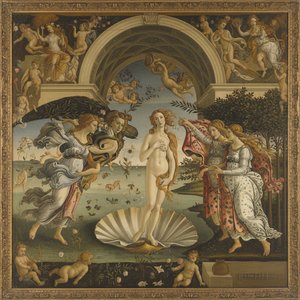
보티첼리 명작 25선을 만나보세요. 르네상스 시대의 아름다움과 신화가 담긴 작품들을 감상하고, 베누스의 탄생부터 봄까지 거장의 예술 세계를 탐험하세요. Most-Famous-Paintings에서 고품질 미술 복제 및 인테리어 액자를 만나보실 수 있습니다. 지금 바로 컬렉션을 확인하세요!
뮌헨 알테 피나코텍의 명작 25선을 만나보세요. 르네상스부터 바로크까지, 루벤스, 렘브란트 등 거장들의 숨겨진 이야기와 예술 기법을 탐험합니다. Most-Famous-Paintings에서 고품질 복제화로 당신의 공간에 예술을 더하세요! 지금 컬렉션을 살펴보세요.
틴토레토의 드라마틱한 빛과 색채가 살아 숨쉬는 걸작 25선을 만나보세요. 베네치아 회화 거장의 명작 속 역사, 기법, 그리고 영감을 느껴보세요. Most-Famous-Paintings에서 고품질 유화와 아트 프린트를 감상하고 특별한 인테리어를 완성하세요. 지금 바로 컬렉션을 탐험하세요!

Explore the life & art of Annibale Carracci, a pivotal figure bridging Renaissance ideals with Baroque innovation. Discover his masterpieces and lasting influence on Italian painting.


최신 미술 뉴스, 특별 혜택 및 인테리어 아이디어를 가장 먼저 만나보세요.
프로젝트에 대해 알려주시면 저희 미술 전문가들이 맞춤형 아트 제안 3가지를 전달해 드립니다.
당신만을 위한 맞춤형 옵션 3가지를 무료로 추천해 드립니다!


 Preview
 프린트 구매하기
 공유하기
공유하기 공유하기
공유하기
 상세 정보
상세 정보

 다운로드
다운로드
 유사 작품
유사 작품 X-레이
X-레이 슬라이드 쇼


 더 보기
더 보기









 유리 옵션은 110cm 미만 크기에서만 선택 가능합니다.


