


x
 Tempera On PanelLate Medieval
 1375Late Medieval
 104.0 x 67.0 cm
 인디애나폴리스 미술관




























작품의 원본 비율을 유지하는 미리 설정된 크기 중에서 선택하세요.

특정 프레임이나 공간에 맞도록 직접 크기를 입력할 수 있습니다. 선택하신 크기가 원본 이미지의 비율과 일치하지 않는 경우, 작품을 자르거나 추가적인 손으로 그린 요소를 사용하여 그림을 확장합니다. 제작 시작 전 승인을 위해 디지털 목업을 보내드립니다.
화면 미리 보기는 실제 자르기 또는 확장을 반영하지 않습니다. 최종 구성은 목업을 통해서만 정확하게 확인하실 수 있습니다.
맞춤 크기 제작도 가능하지만, 원본 비율을 유지하기 위해 사전 정의된 목록에서 크기를 선택하시는 것을 권장합니다.

Crucifixion
복제본 크기
In the quiet sanctity of the Museum of Art in Indianapolis, there exists a window into the fourteenth century that transcends the mere passage of time. The Crucifixion by Barnaba da Modena, executed around 1375, is not merely a painting but a profound spiritual encounter. As one gazes upon this tempera on wooden panel, the viewer is immediately enveloped by the solemnity of the late medieval period. The composition centers on the agonizing yet majestic figure of Jesus Christ, whose body is positioned to guide the eye through a celestial drama. Flanked by the two thieves, the central cross serves as the axis for a universe of grief and devotion, where every brushstroke seems to vibrate with the weight of eternal significance.
The artistry of Barnaba da Modena is characterized by a breathtaking synthesis of Byzantine grandeur and the emerging naturalism of the Lombard tradition. This piece showcases the artist's mastery over tempera, a medium that demands precision and foresight. The rich, saturated colors are punctuated by the strategic use of gold, which does more than merely decorate; it illuminates the divine. In the medieval mind, gold was a symbol of the uncreated light of God, suggesting that this specific panel may have once graced the altar of a prestigious religious institution or been commissioned by a patron of immense social standing. The intricate patterns found within the drapery and the surrounding landscape provide a tactile richness that invites the eye to linger on the meticulous details of the era's craftsmanship.
Beyond its visual splendor, the Crucifixion functions as a complex tapestry of theological symbolism. The presence of figures such as Mary Magdalene, the Virgin Mary, and John the Apostle creates a communal experience of mourning, allowing the viewer to find their own place within the biblical narrative. The background, featuring soft clouds and a burgeoning landscape of trees and distant architecture, serves to bridge the gap between the earthly realm and the heavens. This juxtaposition of the human tragedy on the cross with the eternal stability of the landscape reminds us of the intersection between mortal suffering and divine promise.
For the discerning collector or interior designer, this artwork offers a profound sense of historical gravity and aesthetic depth. A high-quality reproduction of this masterpiece brings more than just decoration to a space; it introduces a narrative of resilience and spiritual beauty. The elaborate border, with its intricate designs, acts as a threshold, separating the modern world from the sacred atmosphere of 1375. Whether placed in a curated gallery or a sophisticated residential setting, Barnaba da Modena’s work serves as a powerful focal point, evoking an era where art was the primary language of the soul.


1328 - 1386 , Italy
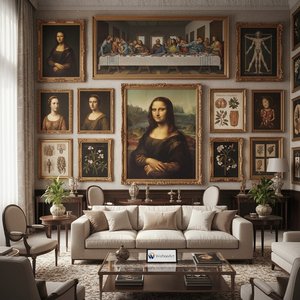
레오나르도 다 빈치의 시대를 초월하는 25개의 명작을 만나보세요. 모나리자, 최후의 만찬 등 예술과 과학이 융합된 걸작들의 숨겨진 이야기와 기법을 탐험합니다. Most-Famous-Paintings.com에서 고품질 미술 작품을 감상하고 특별한 인테리어 영감을 얻으세요.

Journey through 10 defining Late Medieval masterpieces – from Giotto's frescoes to Jan van Eyck’s realism. Explore the stories, techniques & vibrant colors of Gothic art. Find museum-quality reproductions and elevate your home decor with Most-Famous-Paintings.com! Discover all masterpieces on Most-Famous-Paintings.com

Explore Leonardo da Vinci’s timeless masterpieces with Most-Famous-Paintings. Discover insights into his art, science, and legacy – trusted expertise for discerning collectors seeking authentic reproductions & investment opportunities.

Journey through High Medieval Art! Explore 10 iconic masterpieces – from Giotto's frescoes to stunning Gothic cathedrals. Discover the stories behind these timeless paintings, sculptures & illuminated manuscripts. Find museum-quality art reproductions at Most-Famous-Paintings.com.

Explore the rich history & stunning artistry of the Byzantine Empire! Discover iconic mosaics, profound symbolism, and lasting influence on Western art. A comprehensive guide for history lovers.


최신 미술 뉴스, 특별 혜택 및 인테리어 아이디어를 가장 먼저 만나보세요.
프로젝트에 대해 알려주시면 저희 미술 전문가들이 맞춤형 아트 제안 3가지를 전달해 드립니다.
당신만을 위한 맞춤형 옵션 3가지를 무료로 추천해 드립니다!


 미리보기
미리보기
 프린트 구매
 공유하기
공유하기 공유하기
공유하기
 상세 정보
상세 정보

 다운로드
다운로드
 유사 작품
유사 작품 X-레이
X-레이 슬라이드 쇼
 더 보기
더 보기









 유리 옵션은 110cm 미만 크기에서만 선택 가능합니다.


