x
빠른 제작과 다양한 마감 옵션을 제공하는 박물관 품질의 지클레이 또는 캔버스 프린트. ( 손으로 그린 그림 구매 이미지 구매)





























작품의 원본 비율을 유지하는 미리 설정된 크기 중에서 선택하세요.

특정 프레임이나 공간에 맞춰 직접 치수를 입력하실 수 있습니다. 선택하신 사이즈가 원본 이미지의 비율과 일치하지 않을 경우, 작품을 크롭(자르기)하거나 이미지를 대칭 또는 단색 채우기로 확장하여 제작합니다. 제작 시작 전, 최종 확인을 위해 디지털 목업이 전송됩니다.
화면상의 미리보기는 실제 크롭이나 확장 상태를 반영하지 않으므로, 최종 구도는 오직 목업을 통해서만 정확하게 확인하실 수 있습니다.
맞춤 사이즈 제작도 가능하지만, 원본 비율을 유지하기 위해서는 사전 정의된 목록에서 치수를 선택하시는 것을 권장합니다.

Bacchus (detail)
복제본 크기
In the heart of the Baroque era, few names command as much reverence and intrigue as Michelangelo Merisi da Caravaggio. His masterpiece, Bacchus, serves as a breathtaking window into a world where the divine meets the deeply human. Created around 1596, this work is far more than a mere mythological depiction; it is an immersive sensory experience that captures a moment of suspended animation. As the viewer approaches the canvas, they are met with the direct, almost unsettling gaze of a youthful figure—a personification of Dionysus, the god of wine and ecstasy. There is a palpable tension in his expression, a delicate balance between the playful confidence of youth and a certain languid vulnerability that suggests the onset of intoxication. This psychological depth is what sets Caravaggio apart, transforming a classical subject into a living, breathing presence that seems to reach out from the shadows of history.
The composition is a masterclass in chiaroscuro, the dramatic interplay of light and dark that would become Caravaggio’s signature. The light does not merely illuminate; it sculpts. It catches the rim of the shallow wine goblet, highlights the dew-kissed skin of the fruit, and pulls the figure forward from a murky, atmospheric background. This technique creates a profound sense of three-dimensionality, making the textures of the velvet robes, the translucent grapes, and the heavy ceramic carafe feel almost tactile. For the discerning collector or interior designer, this dramatic lighting offers an unparalleled ability to anchor a room, providing a focal point that commands attention through its sheer physical presence and tonal richness.
Beyond the immediate visual impact lies a complex web of symbolism that speaks to the values of the late 16th-century Roman elite. The painting is an opulent tableau of fertility and vitality. Scattered across the stone ledge are apples and grapes, elements that serve as more than mere decoration; they are emblems of prosperity, divine blessing, and the cyclical nature of life. The ruby-red wine, overflowing within its vessel, acts as a potent metaphor for the intoxicating nature of pleasure and the fleeting beauty of youth. To behold this painting is to participate in a ritual of conviviality, an invitation extended by the god himself to join in the celebration of life's bountiful offerings.
Historically, such works were often commissioned by powerful patrons, like Cardinal Francesco Maria del Monte, to reflect their own sophisticated tastes and intellectual pursuits. The inclusion of classical motifs allowed the aristocracy to align themselves with the grandeur of antiquity. Today, a high-quality reproduction of Bacchus brings this same sense of historical prestige into a modern setting. Whether placed in a curated gallery space or as a bold statement piece in a contemporary dining room, the painting evokes an atmosphere of cultured elegance and timeless luxury. It is a piece that does not merely decorate a wall; it tells a story of human desire, artistic revolution, and the eternal allure of the beautiful.
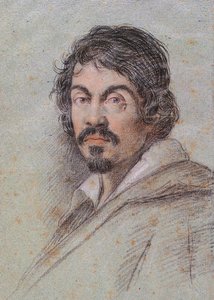
1571 - 1610 , 스페인

Explore the dramatic world of Baroque art! Discover iconic artists like Caravaggio & Rubens, defining techniques, and its lasting impact on art history. Expert insights for collectors & enthusiasts at Most-Famous-Paintings.

Explore the dramatic world of Baroque art! Discover iconic masters like Caravaggio & Rembrandt, their techniques, and the movement's lasting impact. Expert insights for collectors & enthusiasts at Most-Famous-Paintings.
화려함과 극적인 표현이 압권! 바로크 미술을 대표하는 10대 걸작의 숨겨진 이야기를 만나보세요. 베르니니, 루벤스 등 거장의 작품부터 바로크 색감, 예술적 기법까지 – Most-Famous-Paintings.com에서 명품 복제 & 인테리어 영감을 얻으세요! 지금 바로 컬렉션을 탐험해보세요.

Explore the dramatic world of Baroque painting! Discover its history, defining characteristics, iconic artists like Caravaggio & Rubens, and lasting influence on Western art. Expert insights for collectors.

Embark on a sophisticated journey through Italian Baroque art. Discover the dramatic interplay of light and emotion in Caravaggio’s masterpieces and explore how to bring this timeless grandeur into your collection with expert art insights.


최신 미술 뉴스, 특별 혜택 및 인테리어 아이디어를 가장 먼저 만나보세요.
프로젝트에 대해 알려주시면 저희 미술 전문가들이 맞춤형 아트 제안 3가지를 전달해 드립니다.
당신만을 위한 맞춤형 옵션 3가지를 무료로 추천해 드립니다!


 미리보기
미리보기
 공유하기
공유하기 공유하기
공유하기
 상세 정보
상세 정보

 다운로드
다운로드
 유사 작품
유사 작품 X-레이
X-레이 슬라이드 쇼


 더 보기
더 보기









 유리 옵션은 110cm 미만 크기에서만 선택 가능합니다.