x
빠른 제작과 다양한 마감 옵션을 제공하는 박물관 품질의 지클레이 또는 캔버스 프린트. ( 손으로 그린 그림 구매 이미지 구매)





























작품의 원본 비율을 유지하는 미리 설정된 크기 중에서 선택하세요.

특정 프레임이나 공간에 맞춰 직접 치수를 입력하실 수 있습니다. 선택하신 사이즈가 원본 이미지의 비율과 일치하지 않을 경우, 작품을 크롭(자르기)하거나 이미지를 대칭 또는 단색 채우기로 확장하여 제작합니다. 제작 시작 전, 최종 확인을 위해 디지털 목업이 전송됩니다.
화면상의 미리보기는 실제 크롭이나 확장 상태를 반영하지 않으므로, 최종 구도는 오직 목업을 통해서만 정확하게 확인하실 수 있습니다.
맞춤 사이즈 제작도 가능하지만, 원본 비율을 유지하기 위해서는 사전 정의된 목록에서 치수를 선택하시는 것을 권장합니다.

Pheasants and Plovers
복제본 크기
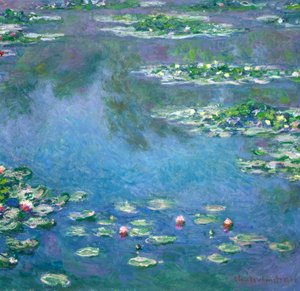
Claude Monet, a name synonymous with the Impressionist movement, possessed an extraordinary ability to capture fleeting moments of light and atmosphere. Among his vast oeuvre, *Pheasants and Plovers*, painted in 1879, offers a particularly intimate glimpse into this talent – a serene tableau that speaks volumes about the artist’s evolving approach to still life and his deep connection with the natural world. Currently residing within the hallowed halls of the Minneapolis Institute of Arts, this unassuming oil on canvas invites us to pause and contemplate its quiet beauty, revealing layers of artistic intention and historical significance.
The painting immediately draws the eye to its central composition: three wild birds – two vibrant pheasants and a delicate plover – arranged upon a simple white table. This deliberate arrangement isn’t merely decorative; it's a carefully constructed narrative of balance and harmony. The birds, rendered with Monet’s signature loose brushstrokes and luminous color palette, appear remarkably relaxed. One lies down languidly, another sits attentively, while the third stands upright, creating a dynamic yet peaceful scene. This subtle choreography of posture suggests a shared moment of repose, inviting the viewer to share in their tranquility.
Monet’s masterful use of oil paint is central to *Pheasants and Plovers*' impact. He employs broken color—applying small, distinct strokes of pigment rather than blending them smoothly—to create a shimmering effect that mimics the way light interacts with surfaces. The white table serves as a brilliant counterpoint to the rich hues of the birds’ plumage – deep greens, iridescent blues, and flashes of crimson. This stark contrast not only highlights the subjects but also emphasizes Monet's exploration of color theory, a cornerstone of Impressionism. Notice how he uses subtle gradations of tone to suggest form and volume, relying less on precise detail and more on the evocative power of light and shadow.
The painting’s texture is equally captivating. Monet’s brushstrokes are visible and deliberate, adding a sense of immediacy and spontaneity to the scene. He captures the delicate sheen of feathers and the subtle reflections on the table surface with remarkable sensitivity. This tactile quality invites us to almost feel the warmth of the sun and the stillness of the moment.
While *Pheasants and Plovers* isn't part of Monet’s most celebrated series, like his Haystacks or Water Lilies, it exemplifies a crucial shift in his artistic practice. These larger-scale studies demonstrate his systematic investigation of light and color across different conditions – capturing the same subject at various times of day and under varying weather conditions. *Pheasants and Plovers*, however, represents a more intimate exploration, focusing on a single moment in time and emphasizing the beauty of simple subjects. It’s a testament to Monet's ability to distill complex ideas into deceptively straightforward compositions.
Monet’s dedication to capturing the ephemeral nature of light and color was revolutionary for his time. He moved away from traditional academic painting, which prioritized realistic representation, and instead sought to express his *perception* of reality—the way it appears to the eye in a fleeting instant. This approach profoundly influenced the development of modern art, paving the way for subsequent movements like Post-Impressionism and Fauvism.
Claude Monet’s legacy extends far beyond his iconic water lilies. *Pheasants and Plovers* stands as a poignant reminder of his artistic versatility and his profound appreciation for the beauty of the natural world. Most-Famous-Paintings offers meticulously crafted, hand-painted reproductions that faithfully capture the essence of this captivating painting, allowing you to bring its serenity into your home or office. These reproductions are not mere copies; they are new artworks created by skilled artists who have studied Monet’s techniques and strive to recreate his luminous style with the utmost care. Consider owning a piece of art history – explore our selection of *Pheasants and Plovers* reproductions today, and experience the magic of Monet's vision firsthand.

인상주의라는 단어와 함께 떠오르는 이름, 클로드 모네는 단순한 풍경화가가 아니었습니다. 그는 덧없이 흘러가는 순간들을 기록하고, 빛과 색채로 시를 읊조리는 예술가였습니다. 1840년 11월 14일 파리에서 태어난 모네는 다섯 살의 어린 나이에 가족과 함께 노르망디의 로베르에 정착하면서 그의 삶은 예상치 못한 방향으로 흘러갔습니다. 아버지로부터 상업적인 경력을 권유받았지만, 젊은 클로드의 타고난 예술적 재능은 곧 드러나기 시작했습니다. 그는 지역에서 판매하는 숯 연필 캐리커처를 통해 자신의 기술과 기업가 정신을 동시에 증명했습니다. 하지만 Eugène Boudin과의 만남은 그의 예술 여정 전체를 정의할 운명이었습니다. 부댕은 모네에게 그림 그리는 방법을 가르치는 것 이상으로, 자연 앞에서 직접 – 즉 앙 플레어 기법으로 – 그림을 그려야 한다는 혁신적인 아이디어를 심어주었습니다.
모네의 정식 미술 교육은 파리에서 시작되었으며, 잠시 아카데미 스위스에 다녔고 이후 샤를 글레르에게 사사했습니다. 이곳에서 그는 오귀스트 르누아르와 같은 동료 예술가들과 깊은 우정을 쌓았는데, 이는 전통적인 학파 회화의 제약으로부터 벗어나고자 하는 공유된 예술적 좌절감과 열망에 기반한 것이었습니다. 그의 초기 작품들은 기술적으로 능숙했지만, 곧 그의 스타일을 특징지을 독특한 개성이 부족했습니다. 이후 격변의 시기가 찾아왔습니다. 프로이센-프랑스 전쟁으로 인해 모네는 런던에서 피난해야 했고, 그곳에서 J.M.W. 터너와 같은 영국의 풍경화가들의 작품에 몰두하며 대기 효과와 혁신적인 색상 사용법을 흡수했습니다.
프랑스로 돌아온 모네는 싹트고 있는 예술적 반항의 중심 인물이 되었습니다. 살롱의 보수적인 기준에 불만을 품은 그는 다른 뜻이 같은 예술가들과 힘을 합쳐 독립 전시회를 조직했습니다. 1874년 전시회는 모네뿐만 아니라 미술계 전체에게 있어 중요한 전환점이 되었습니다. 바로 이 자리에서 그의 작품 “인상, 해돋이” (Impression, soleil levant)가 처음 공개되었고, 여기서 유래한 비판적인 용어 "인상주의"가 탄생했습니다. 하지만 이 명칭은 곧 예술 운동의 상징으로 자리 잡았으며, 정확한 묘사보다는 장면의 주관적인 *인상*을 포착하려는 노력을 나타내는 표지가 되었습니다.
모네의 대표적인 스타일이 이 시기에 꽃피기 시작했습니다. 느슨하고 눈에 띄는 붓놀림, 색 옆에 나란히 배치된 생생하고 종종 혼합되지 않은 색상 ( “분할 기법”으로 알려진 기술) 그리고 빛의 일시적인 특성을 포착하는 데 대한 확고한 집중이 특징입니다. 그는 앙 플레어 기법을 끊임없이 추구하며, 변화하는 조건이 장면을 바꾸기 전에 빠르게 자신의 즉각적인 인식을 기록했습니다. 이것은 단순히 자신이 *보는* 것을 묘사하는 것이 아니라, 그가 그것에 반응하여 *느끼는* 방식을 표현하는 것 – 예술적 관습으로부터의 급진적인 전환이었습니다.
1883년 모네는 파리 북서쪽 귀베르니에 정착하여 집과 정원을 건설했는데, 이는 그의 안식처이자 영감의 가장 큰 원천이 되었습니다. 그는 이 부동산을 화려한 낙원으로 변모시켰으며, 이국적인 꽃, 우울한 버드나무, 그리고 가장 유명하게는 일본 다리가 놓인 연못으로 꾸몄습니다. 이것은 단순한 장식적인 정원이 아니라, 모네가 빛의 효과를 물, 잎, 반사 현상에 대해 통제된 조건에서 연구할 수 있는 살아있는 실험실이었습니다.
그의 삶의 마지막 수십 년은 거의 연못의 수련화를 그리는 데 전적으로 바쳤습니다. 그는 거대한 캔버스를 통해 연못 표면을 끊임없이 변화하는 색상과 빛의 태피스트리로 표현하는 기념비적인 수련 시리즈 (Nymphéas)를 시작했습니다. 이것들은 단순한 꽃 그림이 아니라, 관람객을 고요함과 사색의 세계에 몰입시키는 몰입형 경험이었습니다. 이러한 작품의 규모는 숨막힐 정도로 전통 회화의 경계를 넓히고 추상 표현주의를 예견합니다.
클로드 모네의 예술사적 영향력은 헤아릴 수 없을 정도입니다. 그는 인상주의의 창시자일 뿐만 아니라, 예술가들이 주변 세계를 인식하고 표현하는 방식을 근본적으로 변화시켰습니다. 주관적인 경험에 대한 강조, 앙 플레어 기법의 포용, 혁신적인 기술은 현대 미술이 추상화와 비표현적 형태 탐구를 할 수 있는 길을 열었습니다.
모네는 그의 시대의 선구적인 예술가임에도 불구하고 생전에 상당한 상업적 성공을 거두었습니다. 그의 작품은 전 세계 박물관 전시회를 통해 계속해서 경외심과 감탄을 불러일으키며 서양 미술에서 가장 중요한 인물 중 한 명으로서의 지위를 확고히 하고 있습니다. 오르세 미술관, 마모탕 모네 미술관 등 저명한 기관에 그의 걸작 컬렉션이 소장되어 있어 그의 비전이 세대를 거쳐 계속해서 세계를 밝힐 수 있도록 보장합니다.
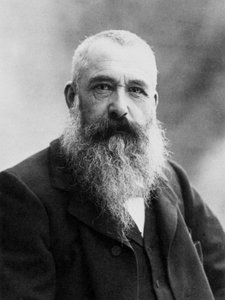
1840 - 1926 , 프랑스

Explore the revolutionary history of Impressionism and the luminous legacy of Claude Monet. Discover how his mastery of light and color redefined modern art through an expert-led journey into the heart of 19th-century France.

Explore the revolutionary vision of Claude Monet. Discover how his iconic series, from Haystacks to Water Lilies, captured the fleeting essence of light and transformed art history forever. An in-depth guide for art historians and collectors.


최신 미술 뉴스, 특별 혜택 및 인테리어 아이디어를 가장 먼저 만나보세요.
프로젝트에 대해 알려주시면 저희 미술 전문가들이 맞춤형 아트 제안 3가지를 전달해 드립니다.
당신만을 위한 맞춤형 옵션 3가지를 무료로 추천해 드립니다!


 미리보기
미리보기
 공유하기
공유하기 공유하기
공유하기
 상세 정보
상세 정보

 다운로드
다운로드
 유사 작품
유사 작품 X-레이
X-레이 슬라이드 쇼

 더 보기
더 보기









 유리 옵션은 110cm 미만 크기에서만 선택 가능합니다.