


x
 Black and White PhotographyPhotoContemporary Realism
 1969Modern
 73.0 x 110.0 cm
 Instituto Moreira Salles
작품의 원본 비율을 유지하는 미리 설정된 크기 중에서 선택하세요.

특정 프레임이나 공간에 맞도록 직접 크기를 입력할 수 있습니다. 선택하신 크기가 원본 이미지의 비율과 일치하지 않는 경우, 작품을 자르거나 추가적인 손으로 그린 요소를 사용하여 그림을 확장합니다. 제작 시작 전 승인을 위해 디지털 목업을 보내드립니다.
화면 미리 보기는 실제 자르기 또는 확장을 반영하지 않습니다. 최종 구성은 목업을 통해서만 정확하게 확인하실 수 있습니다.
맞춤 크기 제작도 가능하지만, 원본 비율을 유지하기 위해 사전 정의된 목록에서 크기를 선택하시는 것을 권장합니다.

The devil
복제본 크기
In the hauntingly beautiful photograph titled "The devil," captured in 1969 by the visionary Claudia Andujar, we are transported to a moment of profound human transition. The image, rendered in a melancholic sepia tone, presents two men seated upon a weathered bench, their gazes fixed intently on the world passing by outside a train window. This is not merely a portrait of passengers; it is a window into the soul of a migratory era. The composition, characterized by its soft, almost ethereal light and grainy texture, evokes a sense of nostalgia and quiet desperation. As the men sit side-by-side, yet seemingly lost in their own internal landscapes, the viewer is invited to contemplate the weight of the journeys they are undertaking—journeys that are as much emotional as they are physical.
The historical context of this piece adds a layer of poignant gravity to its visual beauty. Created during a period of significant social movement in Brazil, the photograph documents the "Bahian train," a vessel for those who had arrived in São Paulo with dreams of prosperity, only to find themselves returning to the backlands of Bahia with nothing but the remnants of their failed ambitions. Andujar, with her characteristic empathy, captures the essence of this displacement. The title itself, "The devil," serves as a powerful metaphor for the harsh fates and the relentless cycle of struggle that many migrants faced during this era. Through her lens, the mundane act of sitting on a train becomes a profound meditation on loss, resilience, and the search for a better life.
Technically, Andujar utilizes the nuances of black and white photography to create a timeless atmosphere. The use of sepia tones softens the edges of reality, blurring the line between documentary journalism and fine art. This choice allows the textures of the wooden train car and the subtle expressions on the men's faces to emerge with a tactile quality. The light, filtering through the window, creates a play of shadows that mirrors the uncertainty of the passengers' futures. There is a rhythmic stillness in the composition; despite being part of a moving train, the image feels frozen in a moment of deep reflection.
For collectors and interior designers, this artwork offers more than just visual appeal; it provides an emotional anchor for any space. Its understated elegance and profound narrative depth make it a sophisticated choice for those looking to curate a collection that speaks to the human condition. Whether placed in a minimalist modern setting or a classic study, "Therm devil" commands attention through its quiet intensity. It serves as a conversation piece that invites contemplation on themes of migration, identity, and the enduring strength of the human spirit, making it an invaluable acquisition for anyone who appreciates art that transcends the purely aesthetic to touch the very heart of existence.


1931 - , 스위스

Explore 10 iconic paintings dominated by black tones, from Rembrandt’s chiaroscuro to Goya's dark expressions. Discover the stories behind these masterpieces & find museum-quality art reproductions for your home at .

Explore 10 iconic paintings with captivating 'mushroom' tones! Discover Van Gogh, Monet & Rembrandt’s masterpieces—earthy palettes, rich history & artistic techniques. Find museum-quality art reproductions and curated decor ideas at

Journey through 10 iconic paintings bathed in 'sand' tones – from Van Gogh to Monet. Explore the stories, techniques & warm palettes of these timeless masterpieces. Find museum-quality art reproductions at and bring classic beauty home.

Delve into the captivating world of 'Lamp Black' tones with 10 iconic paintings by masters like Rembrandt & Caravaggio. Explore Baroque chiaroscuro, dramatic lighting & shadow in art history. Find museum-quality reproductions at
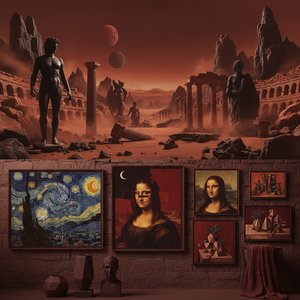
Delve into the power of 'Mars Black' with 10 iconic paintings by masters like Rembrandt & Caravaggio. Explore dramatic chiaroscuro, gothic art, and timeless beauty. Find museum-quality reproductions & elevate your home decor on .


최신 미술 뉴스, 특별 혜택 및 인테리어 아이디어를 가장 먼저 만나보세요.
프로젝트에 대해 알려주시면 저희 미술 전문가들이 맞춤형 아트 제안 3가지를 전달해 드립니다.
당신만을 위한 맞춤형 옵션 3가지를 무료로 추천해 드립니다!


 프린트 구매
 공유하기
공유하기 공유하기
공유하기
 상세 정보
상세 정보

 다운로드
다운로드
 유사 작품
유사 작품 슬라이드 쇼
 더 보기
더 보기






































 유리 옵션은 110cm 미만 크기에서만 선택 가능합니다.


