x
빠른 제작과 다양한 마감 옵션을 제공하는 박물관 품질의 지클레이 또는 캔버스 프린트. ( 손으로 그린 그림 구매 이미지 구매)





























작품의 원본 비율을 유지하는 미리 설정된 크기 중에서 선택하세요.

특정 프레임이나 공간에 맞춰 직접 치수를 입력하실 수 있습니다. 선택하신 사이즈가 원본 이미지의 비율과 일치하지 않을 경우, 작품을 크롭(자르기)하거나 이미지를 대칭 또는 단색 채우기로 확장하여 제작합니다. 제작 시작 전, 최종 확인을 위해 디지털 목업이 전송됩니다.
화면상의 미리보기는 실제 크롭이나 확장 상태를 반영하지 않으므로, 최종 구도는 오직 목업을 통해서만 정확하게 확인하실 수 있습니다.
맞춤 사이즈 제작도 가능하지만, 원본 비율을 유지하기 위해서는 사전 정의된 목록에서 치수를 선택하시는 것을 권장합니다.

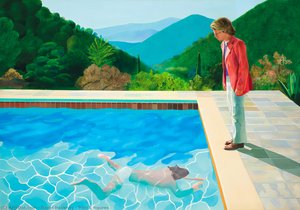
Unfinished self
복제본 크기
David Hockney's "Unfinished Self," painted in 1978, isn’t merely a depiction of a man asleep on his bed; it’s an exquisitely crafted meditation on perception itself. Created during Hockney’s prolific period exploring the effects of aging and distance – he famously undertook a series of ambitious Yorkshire Landscapes documenting the region's changing seasons – this portrait embodies his signature approach: capturing not just what is seen, but how it feels to see.
The painting utilizes Hockney’s distinctive optical mixing technique. Rather than layering colors conventionally, he applies thin washes of pigment that blend optically as they dry on the canvas. This method achieves remarkable luminosity and vibrancy, particularly noticeable in the blue blanket enveloping the sleeping figure. It's a deliberate choice reflecting Hockney’s fascination with how our eyes perceive color – blending hues rather than juxtaposing them to create an illusion of depth.
Despite its rich palette, “Unfinished Self” maintains a remarkable sense of calm. Hockney employs a minimalist compositional strategy, focusing on the central figure against a subtly textured background. The inclusion of other individuals – presumably Hockney’s family – adds an element of domestic intimacy and reinforces the idea that observation extends beyond the immediate subject to encompass relationships and surroundings.
The spatial arrangement is particularly noteworthy. Hockney cleverly utilizes perspective—though not in a rigorously accurate manner—to convey a feeling of depth and distance. The dining table and chairs, positioned slightly behind the bed, contribute to this illusion, suggesting a lived-in space where objects exist alongside each other in relation to one another.
The dominant color – blue – carries significant symbolic weight. Traditionally associated with tranquility, introspection, and spirituality, it underscores the painting’s contemplative mood. The sleeping figure represents restfulness and surrender to the rhythms of life, while simultaneously hinting at mortality—a recurring theme in Hockney's oeuvre.
The inclusion of a potted plant symbolizes growth and vitality, offering a counterpoint to the stillness of sleep. It subtly reminds us that even within moments of repose, life continues its inexorable march forward.
"Unfinished Self" transcends mere visual representation; it communicates a profound emotional resonance. Hockney's masterful handling of light—particularly the diffused glow illuminating the sleeping man—creates an atmosphere of warmth and tenderness. The painting invites viewers to contemplate not only the beauty of the scene but also the complexities of human experience – capturing a quiet dignity and accepting gaze that speaks volumes about Hockney’s enduring belief in the power of observation and the importance of embracing life's fleeting moments.
This artwork exemplifies Hockney’s unwavering commitment to capturing the essence of human existence through a deceptively simple yet profoundly perceptive lens.


1937 - , 영국

Immerse yourself in the captivating world of slate blue! Explore 10 iconic paintings by Monet, Van Gogh & Renoir. Discover their stories, techniques & find museum-quality art reproductions for your home at .

Transform your home with soulful blue art. From serene Monet impressions to modern textured sculptures, discover curated masterpieces designed to inspire calm. Explore expert art consultations and bespoke hand-painted reproductions to create your personal sanctuary.

Explore the rich history of blue in art! Discover its symbolism, from ancient pigments to modern masterpieces by Kandinsky & Seurat. Uncover the psychological impact and cultural meanings behind this captivating hue.
르네 마그리트 최고작 25선을 만나보세요. 초현실주의 화가의 기묘하고 철학적인 세계를 탐험하고, 숨겨진 의미와 상징을 발견하세요. Most-Famous-Paintings에서 고품질 미술 작품과 인테리어 아이디어를 찾아보세요. 지금 바로 컬렉션을 확인하세요!

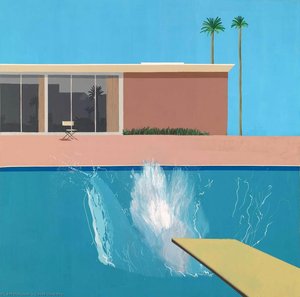
Explore the life & work of David Hockney, Pop Art's master chronicler. Discover his iconic paintings, Californian landscapes, and lasting influence on modern art. Expert analysis for collectors.


최신 미술 뉴스, 특별 혜택 및 인테리어 아이디어를 가장 먼저 만나보세요.
프로젝트에 대해 알려주시면 저희 미술 전문가들이 맞춤형 아트 제안 3가지를 전달해 드립니다.
당신만을 위한 맞춤형 옵션 3가지를 무료로 추천해 드립니다!


 미리보기
미리보기
 공유하기
공유하기 공유하기
공유하기
 상세 정보
상세 정보

 다운로드
다운로드
 유사 작품
유사 작품 X-레이
X-레이 슬라이드 쇼
 더 보기
더 보기









 유리 옵션은 110cm 미만 크기에서만 선택 가능합니다.