


x
빠른 제작과 다양한 마감 옵션을 제공하는 박물관 품질의 지클레이 또는 캔버스 프린트. ( 손으로 그린 그림 구매 이미지 구매)
작품의 원본 비율을 유지하는 미리 설정된 크기 중에서 선택하세요.

특정 프레임이나 공간에 맞춰 직접 치수를 입력하실 수 있습니다. 선택하신 사이즈가 원본 이미지의 비율과 일치하지 않을 경우, 작품을 크롭(자르기)하거나 이미지를 대칭 또는 단색 채우기로 확장하여 제작합니다. 제작 시작 전, 최종 확인을 위해 디지털 목업이 전송됩니다.
화면상의 미리보기는 실제 크롭이나 확장 상태를 반영하지 않으므로, 최종 구도는 오직 목업을 통해서만 정확하게 확인하실 수 있습니다.
맞춤 사이즈 제작도 가능하지만, 원본 비율을 유지하기 위해서는 사전 정의된 목록에서 치수를 선택하시는 것을 권장합니다.

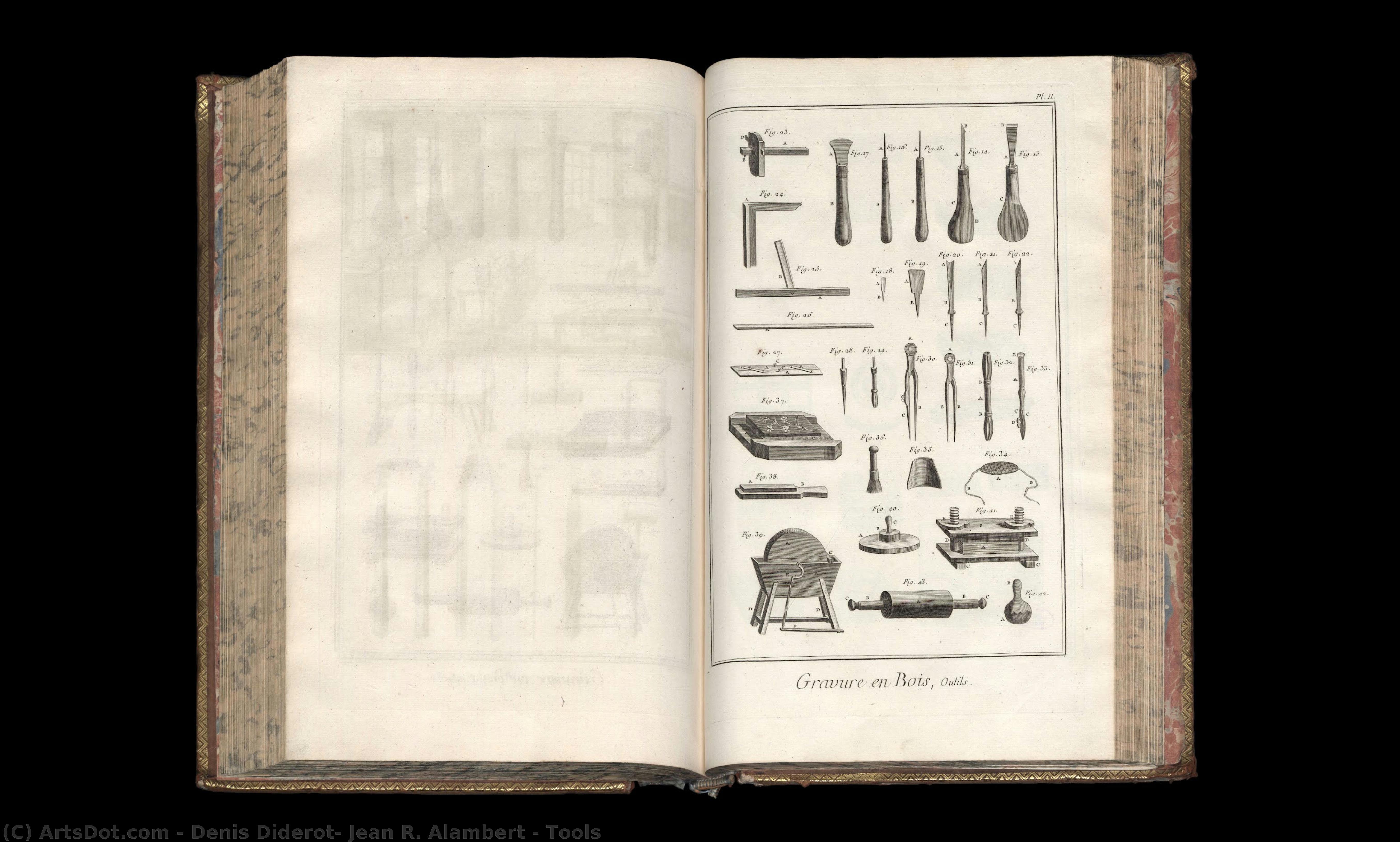
Tools
복제본 크기

In the vibrant, turbulent heart of 18th-century France, a unique creative synergy emerged that bridged the gap between rigorous scientific inquiry and the delicate beauty of decorative art. Denis Diderot and Jean R. Alambert were not merely contemporaries; they were architects of an intellectual revolution known as the Enlightenment. While Diderot is immortalized in the annals of history as a formidable philosopher, playwright, and the driving force behind the monumental Encyclopédie, his connection to the artistic mastery of figures like Alambert reveals a deeper, more tactile dimension to his legacy. Their shared era was one where the pursuit of reason sought a physical form, finding it in the meticulous craftsmanship of book arts and the dissemination of human knowledge through visual splendor.
Born in Langres in 1713, Diderot’s early life was shaped by a tension between tradition and rebellion. The son of a cutler, he initially pursued a path toward the clergy, yet his inquisitive spirit eventually led him to embrace a bohemian existence that defied the rigid social structures of his time. This restless intellect found its most profound expression in his collaboration with Jean le Rond d'Alembert. Together, they embarked on the Herculean task of compiling the Encyclopédie, a project intended to catalog the entirety of human understanding. This was not merely an academic endeavor; it was a visual and philosophical crusade. To Diderot, the mechanical arts were as worthy of study as the liberal arts, and this belief necessitated a profound appreciation for the physical beauty of the objects being described—the very tools, techniques, and textures that defined the era.
Beyond the lofty debates of philosophy, the legacy of Diderot and Alambert is etched into the very edges of history through the exquisite medium of book edge marbling. This technique, which transformed the margins of printed volumes into swirling landscapes of color, served as a perfect metaphor for the Enlightenment itself: a controlled dance of organic movement guided by scientific precision. The duo’s influence extended into the realm of the decorative arts, where the application of complex marbling patterns elevated the book from a mere vessel of information to a precious object of aesthetic contemplation.
The mastery involved in these techniques required an intimate understanding of chemistry and fluid dynamics, much like the scientific rigor Diderot championed. The process of creating paper marblers' patterns—achieved by floating pigments on a mucilaginous surface—mirrored the way new ideas were being floated into the public consciousness: disruptive, colorful, and impossible to ignore. Through their work, the boundaries between the intellectual and the ornamental dissolved, proving that the pursuit of truth could be as visually captivating as it was intellectually demanding.
The enduring impact of their contributions can be seen in several key areas:
As the 18th century drew to a close, the radical ideas championed by Diderot and the meticulous artistry associated with the era's craftsmen began to reshape the modern world. Diderot’s writings, though often censored or published posthumously, challenged autocracy and promoted a morality rooted in human experience rather than religious dogma. His ability to find profound meaning in the "mechanical arts" ensured that the physical reality of human progress was never lost in the abstract clouds of theory.
Today, when we look upon a beautifully marbled book edge or study the intricate engravings of the Encyclopédie, we are witnessing the survival of an era that dared to dream of total clarity. The partnership of intellect and artistry embodied by Diderot and his contemporaries remains a powerful reminder that true enlightenment requires both the light of reason to illuminate the mind and the hand of the artist to give that light a form we can touch, hold, and admire.

1713 - 1784 , France


최신 미술 뉴스, 특별 혜택 및 인테리어 아이디어를 가장 먼저 만나보세요.
프로젝트에 대해 알려주시면 저희 미술 전문가들이 맞춤형 아트 제안 3가지를 전달해 드립니다.
당신만을 위한 맞춤형 옵션 3가지를 무료로 추천해 드립니다!


 미리보기
미리보기
 공유하기
공유하기 공유하기
공유하기
 상세 정보
상세 정보

 다운로드
다운로드
 유사 작품
유사 작품 X-레이
X-레이 슬라이드 쇼
 더 보기
더 보기






































 유리 옵션은 110cm 미만 크기에서만 선택 가능합니다.





