


x
빠른 제작과 다양한 마감 옵션을 제공하는 박물관 품질의 지클레이 또는 캔버스 프린트. ( Switch to hand made Painting Switch to Image)
작품의 원본 비율을 유지하는 미리 설정된 크기 중에서 선택하세요.

특정 프레임이나 공간에 맞춰 직접 치수를 입력하실 수 있습니다. 선택하신 사이즈가 원본 이미지의 비율과 일치하지 않을 경우, 작품을 크롭(자르기)하거나 이미지를 대칭 또는 단색 채우기로 확장하여 제작합니다. 제작 시작 전, 최종 확인을 위해 디지털 목업이 전송됩니다.
화면상의 미리보기는 실제 크롭이나 확장 상태를 반영하지 않으므로, 최종 구도는 오직 목업을 통해서만 정확하게 확인하실 수 있습니다.
맞춤 사이즈 제작도 가능하지만, 원본 비율을 유지하기 위해서는 사전 정의된 목록에서 치수를 선택하시는 것을 권장합니다.

Prophet with Scroll
복제본 크기
Donatello’s “Prophet with Scroll,” crafted between 1415 and 1418, stands as a pivotal work in the burgeoning Early Renaissance of Florence. More than simply a depiction of biblical prophecy, this monumental marble sculpture offers a profound meditation on human experience – a poignant blend of solemnity, introspection, and an enduring sense of spiritual yearning. Located within the third level of Giotto’s Campanile, it was originally intended to adorn the east side of the bell tower, commanding attention with its scale and emotive power.
The sculpture portrays an anonymous prophet, rendered in a remarkably realistic style that departs significantly from the stylized conventions of the International Gothic. Donatello masterfully employed classical influences – particularly evident in the figure’s anatomical precision and balanced composition – while simultaneously imbuing it with a distinctly human quality. The prophet stands erect, his gaze fixed forward with an intensity that suggests both profound contemplation and a weighty responsibility. His smock and cloak are simple yet dignified, reflecting a rejection of ostentatious display and a focus on inner virtue.
What immediately draws the viewer’s eye is the prophet's face – a masterpiece of expressive realism. Donatello eschews idealized beauty, instead presenting a figure marked by age, weariness, and perhaps even sorrow. The furrowed brow, the downturned mouth, and the deeply set eyes convey a sense of melancholy and burdened wisdom. This isn’t a triumphant messenger; rather, it's an individual grappling with the complexities of faith, duty, and the weight of prophecy. The subtle details – the slight wrinkles around the eyes, the hint of sadness in his posture – speak volumes about the human condition.
Crucially, Donatello doesn’t simply depict a prophet delivering a message; he captures the *process* of receiving it. The figure extends both hands towards a scroll, suggesting an active engagement with divine revelation. This gesture invites us to consider the role of the individual in interpreting and responding to spiritual guidance – a theme that resonated deeply within the humanist philosophy gaining traction during this period.
Sculpted from pristine white marble, “Prophet with Scroll” showcases Donatello’s exceptional technical skill. The smooth, polished surface reflects light beautifully, enhancing the figure's luminosity and creating a sense of ethereal presence. The drapery is rendered with remarkable detail, conveying both weight and fluidity. Donatello’s mastery of anatomy is particularly evident in the prophet’s musculature and skeletal structure – a testament to his rigorous study of classical sculpture.
It's important to note that this wasn’t a solitary endeavor; Donatello likely employed assistants in the creation of this monumental work. However, the overall vision and artistic direction undoubtedly rested with him, resulting in a piece that embodies both individual genius and collaborative effort. The statue’s placement within Giotto’s Campanile further elevates its significance, transforming it into a focal point for the entire city.
Beyond its immediate visual appeal, “Prophet with Scroll” is rich in symbolic meaning. The scroll itself represents divine revelation – the transmission of God's word to humanity. The prophet’s solitary stance reflects the often-isolated role of a messenger, burdened with delivering difficult truths. Yet, his gaze and gesture suggest an unwavering commitment to his task, embodying the ideals of courage, integrity, and spiritual devotion.
Donatello’s “Prophet with Scroll” remains one of the most celebrated works of the Early Renaissance. It exemplifies the period's shift towards humanism – a renewed interest in classical antiquity and a celebration of individual potential. Its enduring power lies not only in its technical brilliance but also in its profound exploration of the complexities of faith, humanity, and the search for meaning within a rapidly changing world. Reproductions capture this essence beautifully, offering a timeless reminder of the beauty and depth of Renaissance art.


1386 - 1466 , 이탈리아

Explore the Renaissance! Discover key artists like Leonardo & Michelangelo, the rise of Humanism, and groundbreaking techniques such as chiaroscuro. A comprehensive guide for art enthusiasts.

Explore the groundbreaking innovations & humanist ideals of Early Renaissance art (c. 1400-1500). Discover masterpieces by Botticelli, Fra Angelico & more. A deep dive for art enthusiasts.

Explore the refined tastes of European aristocracy from the Renaissance to the Belle Époque. Discover how art collecting shaped history & influenced iconic styles. Expert insights for discerning collectors.
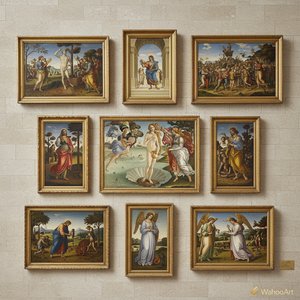
초기 르네상스 미술의 정수를 담은 명작 10! 보티첼리, 다비드 등 거장의 숨결을 느껴보세요. 예술 작품 탄생 비화와 아름다운 색채를 탐구하고, Most-Famous-Paintings.com에서 고품질 아트 프린트 & 인테리어 영감을 얻으세요. 지금 바로 온라인 컬렉션을 만나보세요!

Explore the groundbreaking innovations of the Early Renaissance! Discover the art, history, and humanist ideals that shaped a new era in painting, sculpture & architecture. Learn about Masaccio, Florence, and more.


최신 미술 뉴스, 특별 혜택 및 인테리어 아이디어를 가장 먼저 만나보세요.
프로젝트에 대해 알려주시면 저희 미술 전문가들이 맞춤형 아트 제안 3가지를 전달해 드립니다.
당신만을 위한 맞춤형 옵션 3가지를 무료로 추천해 드립니다!


 공유하기
공유하기 공유하기
공유하기
 상세 정보
상세 정보

 다운로드
다운로드
 유사 작품
유사 작품 슬라이드 쇼


 더 보기
더 보기






































 유리 옵션은 110cm 미만 크기에서만 선택 가능합니다.


