x
빠른 제작과 다양한 마감 옵션을 제공하는 박물관 품질의 지클레이 또는 캔버스 프린트. ( 손으로 그린 그림 구매 이미지 구매)





























작품의 원본 비율을 유지하는 미리 설정된 크기 중에서 선택하세요.

특정 프레임이나 공간에 맞춰 직접 치수를 입력하실 수 있습니다. 선택하신 사이즈가 원본 이미지의 비율과 일치하지 않을 경우, 작품을 크롭(자르기)하거나 이미지를 대칭 또는 단색 채우기로 확장하여 제작합니다. 제작 시작 전, 최종 확인을 위해 디지털 목업이 전송됩니다.
화면상의 미리보기는 실제 크롭이나 확장 상태를 반영하지 않으므로, 최종 구도는 오직 목업을 통해서만 정확하게 확인하실 수 있습니다.
맞춤 사이즈 제작도 가능하지만, 원본 비율을 유지하기 위해서는 사전 정의된 목록에서 치수를 선택하시는 것을 권장합니다.

untitled (9426)
복제본 크기
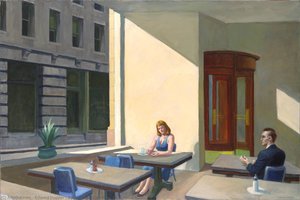
Edward Hopper’s “Untitled (9426),” a stark black and white depiction of a late-night train journey, isn’t merely a snapshot of a rural landscape; it’s a profound meditation on isolation, modernity, and the quiet anxieties simmering beneath the surface of American life. Painted in 1931, during a period of rapid industrialization and social change, this work encapsulates Hopper's signature style – a masterful blend of realism and psychological depth that continues to resonate with viewers today. The painting’s power lies not in dramatic action or vibrant color, but in its carefully constructed stillness, inviting the viewer to contemplate the solitary figures within and the vast, indifferent expanse surrounding them.
The scene is deceptively simple: a train, rendered in meticulous detail against a backdrop of rolling hills and a darkening sky, snakes its way along the tracks. Smoke billows from its engine, hinting at movement yet simultaneously reinforcing the sense of suspended time. A single passenger sits within one of the carriages, their face obscured, lost in thought – or perhaps simply observing. The composition is dominated by horizontal lines, mirroring the train’s trajectory and creating a feeling of relentless forward motion, while vertical elements—the tracks themselves—suggest an inescapable path. Hopper's use of light is particularly striking; it’s diffused and cool, casting long shadows that emphasize the emptiness of the landscape and the vulnerability of the figures within.
Edward Hopper was a chronicler of the American experience in the early 20th century, a period marked by both unprecedented prosperity and a growing sense of alienation. His art wasn't about grand narratives or heroic figures; instead, he focused on the small, everyday moments that revealed the complexities of human relationships and the often-unspoken emotions of his subjects. As Hopper himself famously stated, “Unconsciously, probably, I was painting the loneliness of a large city.” This sentiment is powerfully conveyed in "Untitled (9426)." The train, a symbol of travel and connection, ironically becomes a vehicle for isolation, transporting its passenger away from familiar surroundings and deeper into an unknown future. The lack of interaction between the figures—the solitary traveler and the unseen occupants of the other carriages—underscores this theme.
Hopper’s artistic lineage is complex, drawing inspiration from both realism and a subtle influence from the Ashcan School painters who documented the gritty realities of urban life. However, Hopper transcends mere imitation; he imbues his scenes with a distinctly psychological dimension. His meticulous attention to detail—the texture of the train's upholstery, the sheen on the tracks, the subtle nuances of light and shadow—creates an immersive experience for the viewer, drawing them into the painting’s quiet drama. The deliberate ambiguity of the scene – who is this passenger? Where are they going? What thoughts occupy their mind? – invites endless interpretation and ensures that the work remains perpetually relevant.
“Untitled (9426)” was executed in oil on canvas, a medium Hopper favored for its ability to capture subtle tonal variations and create a sense of depth. The painting’s monochrome palette—primarily shades of gray and black—further enhances the mood of melancholy and isolation. Hopper's technique is characterized by precise brushwork and a careful layering of colors, creating a surface that appears both smooth and textured. He employed a limited range of values to create strong contrasts between light and shadow, emphasizing form and volume. The painting’s composition—a carefully balanced arrangement of elements—contributes to its overall sense of stability and quiet contemplation.
Painted in 1931, “Untitled (9426)” reflects the anxieties and uncertainties of the interwar period. The Great Depression had profoundly impacted American society, leading to widespread unemployment and economic hardship. Hopper’s art captured this sense of unease, reflecting a growing awareness of social fragmentation and the psychological toll of modern life. The painting's enduring appeal lies in its ability to tap into universal themes—loneliness, isolation, and the search for meaning—that continue to resonate with audiences today. Reproductions of this iconic work offer a powerful window into Hopper’s artistic vision and a poignant reflection on the human condition.

1931 - 1967 , 미국

Explore the profound history of American Regionalism. Discover how Grant Wood captured the heart of the Midwest through masterpieces like American Gothic. An expert guide to the movement, its cultural impact, and the enduring beauty of American Realism.

Explore the raw, evocative beauty of the Ashcan School. Discover how masters like Bellows and Glackens captured New York's urban soul through American Realism, and learn to bring this gritty, historical elegance into your modern art collection.


최신 미술 뉴스, 특별 혜택 및 인테리어 아이디어를 가장 먼저 만나보세요.
프로젝트에 대해 알려주시면 저희 미술 전문가들이 맞춤형 아트 제안 3가지를 전달해 드립니다.
당신만을 위한 맞춤형 옵션 3가지를 무료로 추천해 드립니다!


 미리보기
미리보기
 공유하기
공유하기 공유하기
공유하기
 상세 정보
상세 정보

 다운로드
다운로드
 유사 작품
유사 작품 X-레이
X-레이 슬라이드 쇼
 더 보기
더 보기









 유리 옵션은 110cm 미만 크기에서만 선택 가능합니다.