x





























작품의 원본 비율을 유지하는 미리 설정된 크기 중에서 선택하세요.

특정 프레임이나 공간에 맞도록 직접 크기를 입력할 수 있습니다. 선택하신 크기가 원본 이미지의 비율과 일치하지 않는 경우, 작품을 자르거나 추가적인 손으로 그린 요소를 사용하여 그림을 확장합니다. 제작 시작 전 승인을 위해 디지털 목업을 보내드립니다.
화면 미리 보기는 실제 자르기 또는 확장을 반영하지 않습니다. 최종 구성은 목업을 통해서만 정확하게 확인하실 수 있습니다.
맞춤 크기 제작도 가능하지만, 원본 비율을 유지하기 위해 사전 정의된 목록에서 크기를 선택하시는 것을 권장합니다.

Fighter
복제본 크기
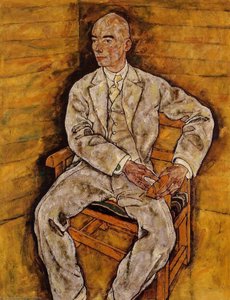
Egon Schiele’s “Fighter,” painted in 1913, is not merely a depiction of a man throwing a punch; it’s a visceral exploration of the human condition rendered with the unflinching intensity characteristic of Schiele's expressionist style. This work, created during a period of immense personal and artistic turmoil for the artist, embodies his fascination with vulnerability, mortality, and the struggle for control – themes that would become central to his oeuvre. The painting’s power resides in its brutal honesty, a quality amplified by Schiele’s signature technique: bold, gestural brushstrokes applied with a furious energy that seems to vibrate off the canvas. The distorted musculature of the figure, the strained posture, and the almost violent extension of the arm all contribute to an overwhelming sense of impending impact, capturing a moment suspended between preparation and release.
Schiele's approach to depicting the human form was revolutionary for his time. Rejecting the idealized representations favored by many of his contemporaries, he embraced a deliberately unsettling realism, often exaggerating anatomical features to heighten emotional effect. In “Fighter,” this is evident in the elongated limbs and the almost skeletal quality of the figure’s body. The use of muted earth tones – browns, ochres, and greys – further emphasizes the painting's somber mood, creating a sense of claustrophobia and impending doom. His technique involved layering thin washes of paint, building up texture through repeated applications of brushstrokes, resulting in a surface that is both rough and intensely expressive. This deliberate roughness mirrors the emotional intensity he sought to convey.
"Fighter" was created at a pivotal moment in European history – 1913, a year marked by rising political tensions and anxieties surrounding World War I. Schiele’s personal life mirrored this instability; plagued by illness, loss, and the looming threat of conflict, he channeled his fears and uncertainties into his art. The painting can be interpreted as a reflection of these broader societal concerns – a visual representation of the fragility of human existence in the face of overwhelming forces. Schiele's work aligns with the Expressionist movement’s rejection of objective reality in favor of subjective emotional experience, anticipating many of the key tenets that would define the movement.
The inclusion of the cup held by the figure adds another layer of complexity to the painting's symbolism. It could represent a fleeting moment of solace or perhaps an attempt to control the chaos within, mirroring the inherent human desire for order amidst turmoil. The act of throwing the punch itself is not simply a physical gesture; it’s a symbolic confrontation with one's own demons, a desperate assertion of agency in a world that increasingly felt beyond one's control. The overall effect is profoundly unsettling and deeply moving, inviting viewers to confront uncomfortable truths about human nature.

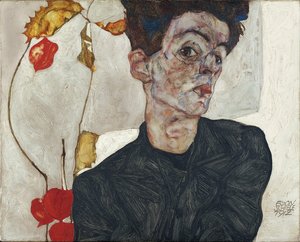
1890 - 1918 , 오스트리아 크로아티아

Explore the profound history and technical mastery of woodcut relief printing. From ancient origins to German Expressionism, discover how artists use the subtractive process to create iconic works. A definitive guide for art students, collectors, and historians.

Discover the technical mastery behind Most-Famous-Paintings.com's premium Giclée canvas prints. Our guide for elite collectors explores archival pigment inks, museum-grade substrates, and the science of high-fidelity reproduction to ensure lasting beauty and historical accuracy.

Explore the profound emotional depth of Expressionist portraiture. From Edvard Munch to Francis Bacon, discover how masters used distortion and color to reveal inner truths. Learn about this pivotal movement and find museum-quality oil reproductions for your collection.

Discover the science behind museum-quality Giclée prints. Learn how archival pigment inks, 12-color precision, and museum-grade substrates create high-fidelity art reproductions designed to preserve the soul of historical masterpieces for generations.


최신 미술 뉴스, 특별 혜택 및 인테리어 아이디어를 가장 먼저 만나보세요.
프로젝트에 대해 알려주시면 저희 미술 전문가들이 맞춤형 아트 제안 3가지를 전달해 드립니다.
당신만을 위한 맞춤형 옵션 3가지를 무료로 추천해 드립니다!


 미리보기
미리보기
 프린트 구매
 공유하기
공유하기 공유하기
공유하기
 상세 정보
상세 정보

 다운로드
다운로드
 유사 작품
유사 작품 X-레이
X-레이 슬라이드 쇼

 더 보기
더 보기









 유리 옵션은 110cm 미만 크기에서만 선택 가능합니다.