x





























작품의 원본 비율을 유지하는 미리 설정된 크기 중에서 선택하세요.

특정 프레임이나 공간에 맞도록 직접 크기를 입력할 수 있습니다. 선택하신 크기가 원본 이미지의 비율과 일치하지 않는 경우, 작품을 자르거나 추가적인 손으로 그린 요소를 사용하여 그림을 확장합니다. 제작 시작 전 승인을 위해 디지털 목업을 보내드립니다.
화면 미리 보기는 실제 자르기 또는 확장을 반영하지 않습니다. 최종 구성은 목업을 통해서만 정확하게 확인하실 수 있습니다.
맞춤 크기 제작도 가능하지만, 원본 비율을 유지하기 위해 사전 정의된 목록에서 크기를 선택하시는 것을 권장합니다.

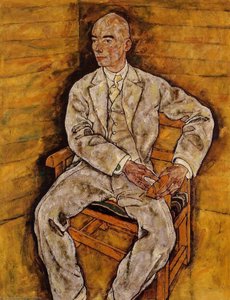
schiele sebastian
복제본 크기
Egon Schiele's "Schiele Sebastian," a pivotal work within his extensive body of nude portraits, stands as a haunting testament to the artist’s unique vision and the turbulent emotional landscape of early 20th-century Expressionism. Painted in 1914, this arresting image transcends mere representation; it delves into the depths of psychological complexity, embodying Schiele's fascination with mortality, vulnerability, and the very act of artistic creation itself. The painting’s power resides not just in its subject matter – a man seemingly restrained by unseen forces – but in the intensely expressive lines, vibrant colors, and palpable sense of unease that permeate every inch of the canvas.
Born in Tulln an der Donau in 1890, Schiele’s life was tragically cut short at just 28 years old during World War I. His early experiences – marked by illness, loss (particularly the death of his father from syphilis), and a somewhat controlling upbringing – profoundly shaped his artistic sensibility. These formative hardships fueled an exploration of themes like suffering, sexuality, and the ephemeral nature of existence, all rendered with unflinching honesty and raw emotion. “Schiele Sebastian” can be interpreted as a deeply personal reflection on these anxieties, a visual embodiment of Schiele’s own struggles and his perception of the artist's condition.
Technically, "Schiele Sebastian" is a masterclass in Expressionist technique. The figure is rendered with deliberately distorted proportions – limbs elongated, torso compressed – creating an immediate sense of unease and instability. Schiele’s signature use of bold, gestural brushstrokes dominates the composition, injecting a dynamic energy that contrasts sharply with the man's apparent vulnerability. Notice how the lines seem to writhe and twist around the body, mirroring the internal turmoil he conveys. The color palette is equally arresting: vibrant reds and yellows dominate, punctuated by darker tones that heighten the sense of drama and foreboding. The use of impasto – thick application of paint – adds a tactile quality, emphasizing the physicality of the artist’s hand and his engagement with the medium.
Schiele's approach to portraiture was revolutionary for its time. He moved away from traditional notions of idealized beauty, instead focusing on capturing the essence of his subjects—often himself—with an uncompromising gaze. He wasn’t interested in flattering appearances; he sought to expose the raw nerves and hidden anxieties beneath the surface. The ropes and restraints surrounding Sebastian aren't merely decorative elements; they symbolize the constraints imposed by societal expectations, personal demons, and perhaps even the very act of artistic creation itself – a struggle to break free from limitations.
The painting resonates deeply with Schiele’s broader body of work, particularly his self-portraits. “Schiele Sebastian” can be viewed as an extension of this recurring motif, exploring themes of vulnerability, mortality, and the artist's relationship to his own image. The figure’s outstretched arms suggest a desperate plea for release, a yearning to transcend the confines of his physical form. The presence of the ropes evokes biblical imagery – specifically, the story of Saint Sebastian, martyred by arrows. This allusion adds layers of meaning, connecting Schiele's work to a tradition of suffering and sacrifice.
Interestingly, this painting is part of a series of nude portraits that Schiele created during this period, often depicting himself or members of his circle. These works were frequently met with controversy due to their frank depiction of sexuality and unconventional approach to artistic conventions. However, they remain among the most iconic examples of Expressionist art, offering a powerful glimpse into the artist’s psyche and the anxieties of the era. The Albertina museum in Vienna houses many of Schiele's works, including related pieces that further illuminate his artistic trajectory.
At Most-Famous-Paintings, we are dedicated to preserving the integrity and impact of masterworks like “Schiele Sebastian.” Our skilled artists meticulously recreate each brushstroke and color palette using archival-quality materials, ensuring an authentic representation of Schiele's original vision. We understand that owning a reproduction is more than just acquiring a print; it’s about connecting with a piece of art history and experiencing its emotional resonance firsthand. Explore our collection of Egon Schiele reproductions to bring this powerful image into your home or office – a testament to the enduring legacy of an extraordinary artist.
Discover Egon Schiele’s ‘Self Portrait as St. Sebastian,’ a powerful Expressionist poster…

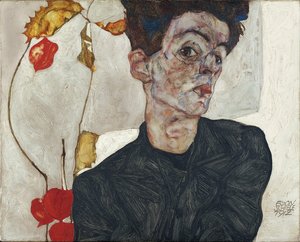
1890 - 1918 , 오스트리아 크로아티아

Explore the profound history of Expressionism. From Edvard Munch to Jackson Pollock, discover how artists used distortion and color to convey raw emotion. A definitive guide for art lovers seeking deep historical context and mastery in fine art reproductions.

Explore the profound emotional depth of Expressionist portraiture. From Edvard Munch to Francis Bacon, discover how masters used distortion and color to reveal inner truths. Learn about this pivotal movement and find museum-quality oil reproductions for your collection.


최신 미술 뉴스, 특별 혜택 및 인테리어 아이디어를 가장 먼저 만나보세요.
프로젝트에 대해 알려주시면 저희 미술 전문가들이 맞춤형 아트 제안 3가지를 전달해 드립니다.
당신만을 위한 맞춤형 옵션 3가지를 무료로 추천해 드립니다!


 미리보기
미리보기
 프린트 구매
 공유하기
공유하기 공유하기
공유하기
 상세 정보
상세 정보

 다운로드
다운로드
 유사 작품
유사 작품 X-레이
X-레이 슬라이드 쇼

 더 보기
더 보기









 유리 옵션은 110cm 미만 크기에서만 선택 가능합니다.