


x
빠른 제작과 다양한 마감 옵션을 제공하는 박물관 품질의 지클레이 또는 캔버스 프린트. ( 손으로 그린 그림 구매 이미지 구매)





























작품의 원본 비율을 유지하는 미리 설정된 크기 중에서 선택하세요.

특정 프레임이나 공간에 맞춰 직접 치수를 입력하실 수 있습니다. 선택하신 사이즈가 원본 이미지의 비율과 일치하지 않을 경우, 작품을 크롭(자르기)하거나 이미지를 대칭 또는 단색 채우기로 확장하여 제작합니다. 제작 시작 전, 최종 확인을 위해 디지털 목업이 전송됩니다.
화면상의 미리보기는 실제 크롭이나 확장 상태를 반영하지 않으므로, 최종 구도는 오직 목업을 통해서만 정확하게 확인하실 수 있습니다.
맞춤 사이즈 제작도 가능하지만, 원본 비율을 유지하기 위해서는 사전 정의된 목록에서 치수를 선택하시는 것을 권장합니다.

Sunflower
복제본 크기
In the vast landscape of early 20th-century art, few images possess the quiet, unsettling magnetism of Egon Schiele’s Sunflower. Created in 1909, this work transcends the traditional boundaries of botanical illustration to offer a profound psychological portrait. While many are familiar with the vibrant, sun-drenched ecstasy of Van Gogh’s sunflowers, Schiele presents us with something entirely different: a specimen that feels as much like a living soul as it does a flower. The painting captures a sense of fragile existence, where the sunflower stands not in triumph, but in a state of delicate, melancholic transition. It is a piece that invites the viewer into a world of introspection, making it an extraordinary choice for those who appreciate art that speaks to the deeper, more complex layers of the human condition.
The composition is defined by its striking, elongated format, which creates a sense of vertical tension and isolation. Schiele utilizes a stark, minimalist background that strips away all environmental context, forcing our gaze to confront the subject in its rawest form. The sunflower itself is depicted with an angularity and a certain skeletal grace characteristic of the Expressionist movement. We see a heavy, dark center—a void-like heart that seems to pull at the viewer’s attention—surrounded by petals that appear to be fading or perhaps even decaying. This deliberate focus on the ephemeral nature of life serves as a poignant metaphor for Schiele's own preoccupations with mortality and the fleeting beauty found within vulnerability.
Executed in oil on canvas, the technical mastery of this piece lies in its ability to balance intricate detail with raw, emotive energy. Schiele’s brushwork is deliberate and textured, creating a surface that feels palpable and alive. There is a rhythmic quality to the way he applies paint, using layered strokes to build a sense of weight in the flower's head while maintaining a delicate lightness in the surrounding smaller blooms. The color palette is a sophisticated study in contrasts; rich, vibrant yellows are tempered by earthy, autumnal tones and deep, shadowy hues. This interplay of light and dark does more than just create depth—it establishes a mood of "silent darkness," as if the flower is emerging from, or perhaps receding into, an internal psychological landscape.
For the discerning collector or interior designer, this painting offers a unique opportunity to introduce a focal point that is both intellectually stimulating and aesthetically profound. The way the light catches the textured oil pigments makes the piece dynamic, changing character depending on the lighting of the room. It possesses a timeless quality that complements both modern minimalist spaces and more traditional, classical settings. To possess a high-quality reproduction of this work is to bring a piece of art history into one's home—a piece that does not merely decorate a wall but serves as a window into the turbulent, beautiful spirit of the Austrian Expressionist era.
Ultimately, Schiele’s Sunflower is an invitation to contemplate the beauty found in imperfection and the strength found in fragility. It is a masterpiece of emotional resonance, capturing that precise moment where life meets its inevitable decline, yet doing so with such exquisite artistry that the viewer cannot help but be moved. Whether viewed as a study in color, a triumph of technique, or a profound philosophical statement, it remains an enduring icon of modern art.
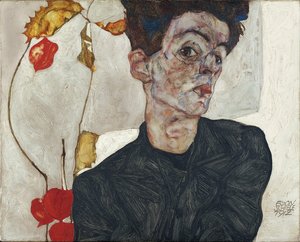
1890 - 1918 , 오스트리아 크로아티아
에곤 시엘레 최고 걸작 25선을 만나보세요. 표현주의 화가 시엘레의 삶과 죽음, 불안을 담은 인물화 작품들을 감상하고 그 의미를 탐구합니다. Most-Famous-Paintings에서 명작 복제본으로 예술적인 공간을 완성하세요. 지금 바로 컬렉션을 확인하세요!
폴 세잔의 시대를 초월하는 명작 25점을 만나보세요. 인상주의를 넘어 후기 인상주의를 개척한 화가의 예술 세계와 정물화, 풍경화 속 숨겨진 이야기를 Most-Famous-Paintings에서 감상하세요. 고품질 아트 프린트와 캔버스 액자로 공간에 예술을 더해보세요! 지금 바로 컬렉션을 탐험하세요.
가츠시카 호쿠사이의 최고 걸작 25선을 만나보세요. 우키요에, 대판화 기법과 후지산 풍경의 아름다움을 담은 명작들을 감상하고, Most-Famous-Paintings에서 고품질 아트 프린트와 인테리어 액자를 찾아보세요. 지금 바로 컬렉션을 탐험하세요!

클로드 모네의 시대를 초월한 걸작 25선을 만나보세요. 인상주의 화가 모네의 빛과 색채, 그리고 숨겨진 이야기를 Most-Famous-Paintings에서 감상하세요. 거실, 침실을 위한 고급 미술 작품 컬렉션을 지금 바로 탐험해보세요! Most-Famous-Paintings.com
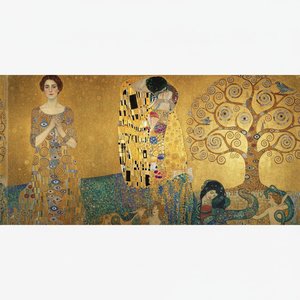
구스타프 클림트의 황홀한 명작 25선을 만나보세요. '키스'부터 '주디트'까지, 빈 분리주의를 대표하는 예술가의 삶과 작품 세계를 탐험합니다. 오스트리아 화가 클림트의 걸작으로 공간에 특별한 감성을 더하세요. Most-Famous-Paintings.com에서 고품질 유화 복제를 만나보세요.


최신 미술 뉴스, 특별 혜택 및 인테리어 아이디어를 가장 먼저 만나보세요.
프로젝트에 대해 알려주시면 저희 미술 전문가들이 맞춤형 아트 제안 3가지를 전달해 드립니다.
당신만을 위한 맞춤형 옵션 3가지를 무료로 추천해 드립니다!


 미리보기
미리보기
 공유하기
공유하기 공유하기
공유하기
 상세 정보
상세 정보

 다운로드
다운로드
 유사 작품
유사 작품 X-레이
X-레이 슬라이드 쇼


 더 보기
더 보기









 유리 옵션은 110cm 미만 크기에서만 선택 가능합니다.


