x





























작품의 원본 비율을 유지하는 미리 설정된 크기 중에서 선택하세요.

특정 프레임이나 공간에 맞도록 직접 크기를 입력할 수 있습니다. 선택하신 크기가 원본 이미지의 비율과 일치하지 않는 경우, 작품을 자르거나 추가적인 손으로 그린 요소를 사용하여 그림을 확장합니다. 제작 시작 전 승인을 위해 디지털 목업을 보내드립니다.
화면 미리 보기는 실제 자르기 또는 확장을 반영하지 않습니다. 최종 구성은 목업을 통해서만 정확하게 확인하실 수 있습니다.
맞춤 크기 제작도 가능하지만, 원본 비율을 유지하기 위해 사전 정의된 목록에서 크기를 선택하시는 것을 권장합니다.

untitled (2996)
복제본 크기
Egon Schiele's "Untitled (2996)," a haunting depiction of a woman seated on the ground, is more than just a portrait; it’s a raw and intensely personal exploration of vulnerability, anxiety, and the precariousness of existence. Painted in 1918, tragically near the end of his life, this work embodies the core tenets of Schiele's Expressionist style – a deliberate distortion of form, an emphasis on emotional intensity, and a willingness to confront uncomfortable truths about the human condition. The painting’s power lies not in its precise representation but in its evocative atmosphere, a palpable sense of unease that draws the viewer into the woman’s internal world.

The subject, shrouded in a dark, enveloping garment, occupies the lower half of the canvas. Her posture – slumped and seemingly defeated – immediately conveys distress. Her face, though partially obscured, holds an expression of profound sorrow or perhaps even resignation. The background is deliberately blurred, populated by indistinct figures that serve to isolate the central figure and amplify her solitude. Schiele’s signature technique—bold, gestural lines—dominates the composition. He employs a thick impasto application of paint, creating a textured surface that adds to the painting's visceral impact. The lines themselves are not merely descriptive; they actively communicate emotion, conveying the woman’s inner turmoil with an almost violent energy.
To understand “Untitled (2996),” it’s crucial to consider Schiele's deeply troubled life. Born in 1890 into a family marked by illness and loss, he experienced the early deaths of his father (from syphilis) and sister, events that profoundly shaped his artistic vision. His father’s descent into madness and subsequent death cast a long shadow over Schiele’s psyche, fueling an obsession with mortality and the fragility of human existence – themes repeatedly explored in his work. The painting can be interpreted as a direct reflection of this personal trauma, a visual manifestation of grief, isolation, and the struggle to find meaning in the face of overwhelming loss.
Furthermore, Schiele’s artistic development was heavily influenced by Gustav Klimt, a prominent figure in the Viennese Secession movement. However, while Klimt often depicted idealized beauty, Schiele relentlessly pursued an unflinching portrayal of human vulnerability and psychological distress. His work stands as a stark contrast to Klimt's polished surfaces, prioritizing emotional honesty over aesthetic perfection.
The woman’s dark clothing can be seen as symbolic of concealment, perhaps representing a hidden pain or a desire for anonymity. The ground she sits upon—a simple, unadorned surface—suggests a lack of support or stability. However, it's the expressive lines that truly carry the weight of meaning in this painting. Schiele’s use of jagged, broken lines creates a sense of unease and instability, mirroring the woman’s emotional state. The lines aren’t simply outlining forms; they are actively shaping the viewer’s perception, drawing attention to the subject's vulnerability and projecting her inner turmoil outward.
"Untitled (2996)" is a profoundly moving work that offers a rare glimpse into the tormented soul of Egon Schiele. It’s a testament to his courage in confronting difficult emotions and his willingness to expose the darker aspects of human experience. Reproductions of this painting, available through Most-Famous-Paintings.com, allow viewers to connect with this powerful artwork on a deeper level, appreciating its raw emotional intensity and enduring relevance. Consider commissioning a hand-painted reproduction to bring this evocative image into your home or office – a tangible reminder of the complexities of human emotion and the beauty found within vulnerability.

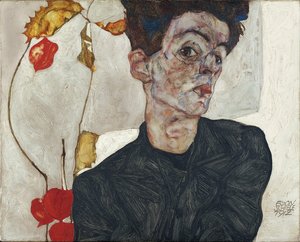
1890 - 1918 , 오스트리아 크로아티아

Explore the profound history of Expressionism. From Edvard Munch to Jackson Pollock, discover how artists used distortion and color to convey raw emotion. A definitive guide for art lovers seeking deep historical context and mastery in fine art reproductions.

Explore the profound history of Surrealist Expressionism. Discover how artists blended dream logic with raw emotion to navigate post-war trauma through masterful, evocative imagery and psychological depth.
Explore the profound depth of Figurative Expressionism. From Edvard Munch to William H. Johnson, learn how masters use the human form to capture raw emotion through color and distortion in this expert art history guide.


최신 미술 뉴스, 특별 혜택 및 인테리어 아이디어를 가장 먼저 만나보세요.
프로젝트에 대해 알려주시면 저희 미술 전문가들이 맞춤형 아트 제안 3가지를 전달해 드립니다.
당신만을 위한 맞춤형 옵션 3가지를 무료로 추천해 드립니다!


 미리보기
미리보기
 프린트 구매
 공유하기
공유하기 공유하기
공유하기
 상세 정보
상세 정보

 다운로드
다운로드
 유사 작품
유사 작품 X-레이
X-레이 슬라이드 쇼
 더 보기
더 보기









 유리 옵션은 110cm 미만 크기에서만 선택 가능합니다.