x
빠른 제작과 다양한 마감 옵션을 제공하는 박물관 품질의 지클레이 또는 캔버스 프린트. ( 손으로 그린 그림 구매 이미지 구매)





























작품의 원본 비율을 유지하는 미리 설정된 크기 중에서 선택하세요.

특정 프레임이나 공간에 맞춰 직접 치수를 입력하실 수 있습니다. 선택하신 사이즈가 원본 이미지의 비율과 일치하지 않을 경우, 작품을 크롭(자르기)하거나 이미지를 대칭 또는 단색 채우기로 확장하여 제작합니다. 제작 시작 전, 최종 확인을 위해 디지털 목업이 전송됩니다.
화면상의 미리보기는 실제 크롭이나 확장 상태를 반영하지 않으므로, 최종 구도는 오직 목업을 통해서만 정확하게 확인하실 수 있습니다.
맞춤 사이즈 제작도 가능하지만, 원본 비율을 유지하기 위해서는 사전 정의된 목록에서 치수를 선택하시는 것을 권장합니다.

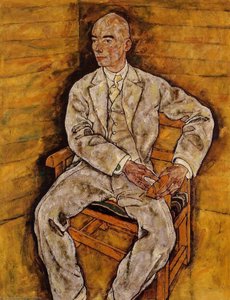
untitled (3813)
복제본 크기
Egon Schiele's "Untitled (3813)" is not merely a depiction of a man in repose; it’s a raw, visceral exploration of vulnerability, isolation, and the ever-present specter of mortality. Painted in 1917, during a period of immense personal turmoil for the artist – marked by illness, loss, and the looming shadow of World War I – this work embodies Schiele's signature style: an intensely psychological portrait rendered with unsettling honesty and a masterful command of line. The painting immediately draws the viewer in with its stark simplicity; a solitary figure seated against an indeterminate background, his posture suggesting both weariness and a profound sadness. The deliberate ambiguity surrounding his identity – the partially concealed nudity beneath the dark jacket – invites speculation about his inner state, fueling a sense of unease and empathy.
Schiele’s technique is characterized by its forceful, almost frantic energy. The lines are not smooth or polished; they vibrate with an urgent intensity, reflecting the emotional turmoil he sought to convey. Notice how the jacket seems to cling tightly to his form, a protective yet suffocating layer that simultaneously conceals and reveals. The use of dark, muted tones – predominantly browns and blacks – contributes to the painting’s somber mood, while subtle shifts in value create a dynamic interplay of light and shadow that emphasizes the figure's contours and adds to the overall sense of drama. The background is deliberately vague, further isolating the subject and directing our attention entirely onto his face—a study in melancholic contemplation.
Schiele’s biography is inextricably linked to the themes explored within his art. His childhood was marked by profound loss – the early deaths of his sister Elvira and, crucially, his father, Adolf Schiele, who succumbed to syphilis. This familial tragedy cast a long shadow over Egon's life, instilling in him a deep preoccupation with illness, death, and the fragility of human existence. The painting’s subject, often interpreted as a self-portrait or a representation of someone close to the artist, carries this weight of sorrow within his gaze. The downward tilt of his head and the subtle downturn of his mouth speak volumes about his emotional state – a quiet despair that resonates deeply with viewers.
Adding to the complexity is the presence of two secondary figures in the composition. One man on the left, partially obscured, and another further back on the right, create a sense of an unseen audience or perhaps even a reflection of Schiele’s own internal struggles. These figures are not fully defined; they exist as fragments within the scene, contributing to the overall atmosphere of isolation and uncertainty. They could represent memories, anxieties, or simply the silent witnesses to his suffering.
“Untitled (3813)” is firmly rooted in the Expressionist movement, a European artistic current that prioritized emotional intensity over objective representation. Schiele’s work shares many characteristics with other Expressionists: distorted forms, exaggerated lines, and a focus on subjective experience. The painting's unsettling quality stems from its ability to tap into primal emotions—fear, grief, loneliness—without resorting to overt symbolism or narrative. The figure’s nakedness can be interpreted as a symbol of vulnerability and exposure, while the jacket represents a fragile shield against the harsh realities of life.
Interestingly, Schiele's fascination with trains, evident in earlier works, subtly reappears here through the implied journey—a journey inward, into the depths of his own psyche. The chair, partially visible at the bottom of the image, might represent a place of contemplation or perhaps even a site of mourning. The painting’s power lies not in its literal depiction but in its evocative suggestion – it invites us to project our own emotions and experiences onto the scene.
Egon Schiele's "Untitled (3813)" is more than just a painting; it’s a poignant meditation on the human condition. Most-Famous-Paintings offers meticulously crafted, hand-painted reproductions that capture the essence of this iconic work. Our artists replicate Schiele’s distinctive style and emotional intensity with remarkable precision, ensuring that you receive a faithful representation of this powerful artwork. Whether for your personal collection or to enhance an interior space, a Most-Famous-Paintings reproduction allows you to experience the haunting beauty and profound psychological depth of “Untitled (3813)” in stunning detail. Explore our selection today and bring a piece of Schiele’s legacy into your home.

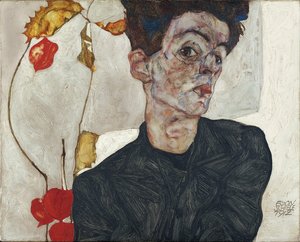
1890 - 1918 , 오스트리아 크로아티아
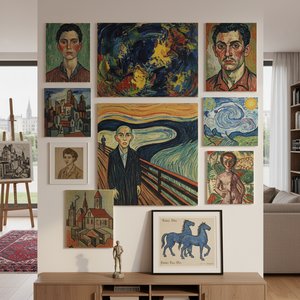
뭉크, 키르히너 등 거장들의 작품으로 표현주의 미술의 정수를 만나보세요. 강렬한 색채와 감정적 깊이가 깃든 명작 10선을 통해 예술의 세계를 탐험하고, Most-Famous-Paintings에서 고품질 아트 프린트를 소장하세요. 지금 바로 온라인 컬렉션을 확인하세요!

Explore the captivating world of introspective art! Discover how artists across eras – from Rembrandt to Kahlo – used self-portraiture to reveal their inner worlds and emotional depths. A journey through art history & psychology.

Explore 10 iconic paintings dominated by black tones, from Rembrandt’s chiaroscuro to Goya's dark expressions. Discover the stories behind these masterpieces & find museum-quality art reproductions for your home at .

Explore the profound world of Edvard Munch, pioneer of Expressionism. Discover the origins of 'The Scream' & his haunting depictions of anxiety, mortality, and love. Expert analysis & high-quality reproductions at Most-Famous-Paintings.

Explore the emotionally charged world of Egon Schiele (1890-1918). Discover his Expressionist masterpieces, psychological themes, and lasting impact on modern art. A comprehensive guide for collectors & enthusiasts.


최신 미술 뉴스, 특별 혜택 및 인테리어 아이디어를 가장 먼저 만나보세요.
프로젝트에 대해 알려주시면 저희 미술 전문가들이 맞춤형 아트 제안 3가지를 전달해 드립니다.
당신만을 위한 맞춤형 옵션 3가지를 무료로 추천해 드립니다!


 미리보기
미리보기
 공유하기
공유하기 공유하기
공유하기
 상세 정보
상세 정보

 다운로드
다운로드
 유사 작품
유사 작품 X-레이
X-레이 슬라이드 쇼

 더 보기
더 보기









 유리 옵션은 110cm 미만 크기에서만 선택 가능합니다.