x
빠른 제작과 다양한 마감 옵션을 제공하는 박물관 품질의 지클레이 또는 캔버스 프린트. ( 손으로 그린 그림 구매 이미지 구매)





























작품의 원본 비율을 유지하는 미리 설정된 크기 중에서 선택하세요.

특정 프레임이나 공간에 맞춰 직접 치수를 입력하실 수 있습니다. 선택하신 사이즈가 원본 이미지의 비율과 일치하지 않을 경우, 작품을 크롭(자르기)하거나 이미지를 대칭 또는 단색 채우기로 확장하여 제작합니다. 제작 시작 전, 최종 확인을 위해 디지털 목업이 전송됩니다.
화면상의 미리보기는 실제 크롭이나 확장 상태를 반영하지 않으므로, 최종 구도는 오직 목업을 통해서만 정확하게 확인하실 수 있습니다.
맞춤 사이즈 제작도 가능하지만, 원본 비율을 유지하기 위해서는 사전 정의된 목록에서 치수를 선택하시는 것을 권장합니다.

untitled (839)
복제본 크기
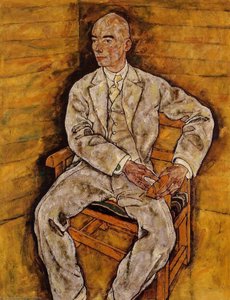
Egon Schiele’s “Untitled (839),” a stark black and white study, isn’t merely a depiction of two men; it’s a concentrated distillation of anxiety, power dynamics, and the unsettling beauty inherent in human interaction. Created during a period of immense personal turmoil for the artist – a time marked by illness, loss, and the looming shadow of World War I – this painting vibrates with an almost palpable tension. The photograph itself offers a glimpse into a scene brimming with unspoken narratives, inviting viewers to contemplate the subtle gestures and loaded glances that define their relationship.
Born in 1890 in Tulln an der Donau, Austria, Egon Schiele’s life was a relentless exploration of the darker aspects of human experience. His early years were profoundly shaped by tragedy – the death of his father from syphilis at just fourteen, and later the loss of his sister Elvira. These events fueled within him a preoccupation with mortality, illness, and the fragility of existence—themes that permeate much of his oeuvre. Raised under the watchful eye of an uncle who exerted considerable control over his life, Schiele developed a fiercely independent spirit, evident in his bold artistic choices. His fascination with trains, a recurring motif throughout his work, speaks to a yearning for movement and escape from the constraints of his upbringing. Schiele’s art is often described as Expressionist, characterized by its distorted figures, intense emotionality, and use of jagged lines—techniques he honed under the tutelage of Gustav Klimt, yet ultimately forged his own distinct style.
The painting’s power lies in its carefully constructed ambiguity. The two men are positioned close together, their bodies almost touching, yet a clear hierarchy exists. One man gestures emphatically towards the other, his hand resting on the shoulder of his companion—a gesture that could be interpreted as guidance, command, or perhaps even accusation. The tie hanging from the first man’s clothing adds a subtle layer of detail, hinting at social status or a shared past. The background figures, though indistinct, suggest a gathering, a scene of activity that contrasts sharply with the intense focus on the central pair. It's important to note Schiele often included small figures in his paintings, adding layers of narrative and creating a sense of a larger world beyond the immediate subjects.
The painting’s monochromatic palette further enhances its dramatic effect, stripping away any distractions and intensifying the emotional impact. The stark contrast between light and shadow creates a sense of depth and volume, while the simplified forms draw attention to the figures' gestures and expressions. Schiele was known for his ability to capture fleeting moments of intense emotion—a skill he masterfully demonstrates in “Untitled (839).”
"Untitled (839)" is more than just a portrait; it’s a window into the artist's psyche, a raw and honest exploration of human relationships and the anxieties of modern life. Schiele’s work continues to resonate with viewers today because of its unflinching honesty and its ability to evoke powerful emotions. Reproductions of this painting offer a chance to experience Schiele’s unique vision firsthand, bringing his intense and unsettling world into your own space. Consider commissioning a hand-painted reproduction from Most-Famous-Paintings.com – a faithful recreation that captures the essence of this iconic work.

1890 - 1918 , 오스트리아 크로아티아

Explore the profound artistry of black and white photography. From the chemistry of gelatin silver to the chiaroscuro of the Old Masters, discover how monochrome captures the eternal essence of light, form, and emotion for the discerning art collector.


최신 미술 뉴스, 특별 혜택 및 인테리어 아이디어를 가장 먼저 만나보세요.
프로젝트에 대해 알려주시면 저희 미술 전문가들이 맞춤형 아트 제안 3가지를 전달해 드립니다.
당신만을 위한 맞춤형 옵션 3가지를 무료로 추천해 드립니다!


 미리보기
미리보기
 공유하기
공유하기 공유하기
공유하기
 상세 정보
상세 정보

 다운로드
다운로드
 유사 작품
유사 작품 X-레이
X-레이 슬라이드 쇼

 더 보기
더 보기









 유리 옵션은 110cm 미만 크기에서만 선택 가능합니다.