


x





























작품의 원본 비율을 유지하는 미리 설정된 크기 중에서 선택하세요.

특정 프레임이나 공간에 맞도록 직접 크기를 입력할 수 있습니다. 선택하신 크기가 원본 이미지의 비율과 일치하지 않는 경우, 작품을 자르거나 추가적인 손으로 그린 요소를 사용하여 그림을 확장합니다. 제작 시작 전 승인을 위해 디지털 목업을 보내드립니다.
화면 미리 보기는 실제 자르기 또는 확장을 반영하지 않습니다. 최종 구성은 목업을 통해서만 정확하게 확인하실 수 있습니다.
맞춤 크기 제작도 가능하지만, 원본 비율을 유지하기 위해 사전 정의된 목록에서 크기를 선택하시는 것을 권장합니다.

Water Sprites
복제본 크기
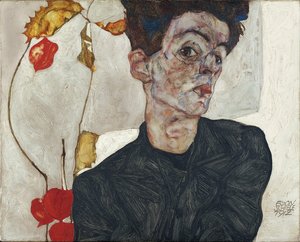
Egon Schiele’s “Water Sprites,” completed in 1908, stands as a haunting testament to the artist's preoccupation with themes of vulnerability, eroticism, and mortality—a hallmark of Expressionist art that continues to captivate audiences today. Painted during a period of intense artistic experimentation and personal turmoil, this enigmatic work transcends mere visual representation, delving into psychological complexities that resonate deeply within its viewer.
Schiele’s distinctive style is immediately recognizable through his masterful use of bold, angular lines—a technique he honed during his formative years studying under Gustav Klimt. Unlike Klimt's opulent ornamentation, Schiele eschews decorative embellishment in favor of a starkly reductive aesthetic that prioritizes form and gesture. The painting employs a simplified geometric approach, emphasizing the contours of the figures and creating an unsettling sense of immediacy. Thick impasto—a technique where paint is applied thickly onto the canvas—further enhances the textural quality of the artwork, conveying both physicality and emotional intensity.
"Water Sprites" isn’t simply a depiction of two women wading in water; it's laden with symbolic significance. The figures themselves embody opposing forces—desire and death—represented through their intertwined poses and the subtle suggestion of nudity. Schiele deliberately confronts viewers with uncomfortable truths about human sexuality and the inevitability of decay, mirroring anxieties prevalent during the Belle Époque. The boat in the background serves as a visual anchor, symbolizing passage and perhaps hinting at the journey toward oblivion. Recurring motifs like the stylized gaze—often described as piercing and unsettling—underscore Schiele’s exploration of psychological states.
Schiele's work emerged from the burgeoning Expressionist movement in Vienna, a reaction against Impressionistic idealism and a fervent embrace of emotional honesty. Artists like Klimt, Oskar Kokoschka, and Alfred Munnings sought to capture inner turmoil and psychological distress through distorted forms and jarring colors—a deliberate departure from academic conventions. “Water Sprites” reflects this broader artistic ethos, aligning with the movement’s preoccupation with themes of suffering, isolation, and confronting existential anxieties.
"Water Sprites" compels viewers to confront uncomfortable emotions—fear, longing, and awareness of mortality. Schiele's unflinching gaze captures a moment of profound vulnerability, inviting contemplation on the human condition. The painting’s unsettling beauty lies in its ability to evoke visceral responses, prompting reflection on themes of erotic desire intertwined with anxieties about death. It remains a powerful example of Expressionist art’s capacity to communicate complex psychological states through visual language—a legacy that continues to inspire artists and collectors alike.

1890 - 1918 , 오스트리아 크로아티아

Explore the profound impact of the Vienna Secession movement. Discover how visionaries like Gustav Klimt revolutionized modern art through symbolism, gold leaf, and the concept of Gesamtkunstwerk in this expert-led historical guide.

Explore the evocative world of Symbolist painting. Discover how masters like Gustave Moreau rejected realism to capture dreams, myths, and the subconscious through fine art history and expert analysis.

Explore the profound history of Surrealist Expressionism. Discover how artists blended dream logic with raw emotion to navigate post-war trauma through masterful, evocative imagery and psychological depth.

Explore the profound history of Expressionism. From Edvard Munch to Jackson Pollock, discover how artists used distortion and color to convey raw emotion. A definitive guide for art lovers seeking deep historical context and mastery in fine art reproductions.


최신 미술 뉴스, 특별 혜택 및 인테리어 아이디어를 가장 먼저 만나보세요.
프로젝트에 대해 알려주시면 저희 미술 전문가들이 맞춤형 아트 제안 3가지를 전달해 드립니다.
당신만을 위한 맞춤형 옵션 3가지를 무료로 추천해 드립니다!


 미리보기
미리보기
 프린트 구매
 공유하기
공유하기 공유하기
공유하기
 상세 정보
상세 정보

 다운로드
다운로드
 유사 작품
유사 작품 X-레이
X-레이 슬라이드 쇼

 더 보기
더 보기









 유리 옵션은 110cm 미만 크기에서만 선택 가능합니다.


