x
 Acrylic On CanvasWallArtSpiritual Expressionism
 1612
1612 115.0 x 85.0 cm
 Worcester Art Museum




























작품의 원본 비율을 유지하는 미리 설정된 크기 중에서 선택하세요.

특정 프레임이나 공간에 맞도록 직접 크기를 입력할 수 있습니다. 선택하신 크기가 원본 이미지의 비율과 일치하지 않는 경우, 작품을 자르거나 추가적인 손으로 그린 요소를 사용하여 그림을 확장합니다. 제작 시작 전 승인을 위해 디지털 목업을 보내드립니다.
화면 미리 보기는 실제 자르기 또는 확장을 반영하지 않습니다. 최종 구성은 목업을 통해서만 정확하게 확인하실 수 있습니다.
맞춤 크기 제작도 가능하지만, 원본 비율을 유지하기 위해 사전 정의된 목록에서 크기를 선택하시는 것을 권장합니다.

St. Sebastian
복제본 크기
El Greco's "St. Sebastian," painted in 1612, is not merely a depiction of martyrdom; it’s an intensely felt embodiment of anguish and spiritual torment. The painting immediately confronts the viewer with a stark image: a naked man, prostrate on what appears to be a simple wooden beam, his body riddled with arrows. Yet, this isn't a scene of dramatic action or heroic resistance. Instead, there is a profound stillness, an almost unbearable quietude that speaks volumes about the saint’s ordeal. The darkness enveloping the figure—a deliberate choice by El Greco—amplifies the sense of isolation and vulnerability, drawing our gaze directly to the wounds themselves.
The artist's mastery lies in his ability to convey emotion through form and color. While the palette is restrained – primarily deep browns, ochres, and muted reds – each brushstroke vibrates with a palpable energy. Notice how El Greco uses elongated forms, a hallmark of his style, to exaggerate the contours of Sebastian’s body, emphasizing the agony etched into every line. The arrows themselves aren't rendered with sharp detail; rather, they are suggested through subtle shading and texture, contributing to an overall impression of overwhelming pain. This deliberate ambiguity invites contemplation – we don’t see the precise mechanism of his suffering, but feel its devastating weight.
St. Sebastian's story is rooted in early Christian tradition. He was a Roman soldier who lived during the persecution of Christians under Diocletian. He volunteered to guard the imperial lupanar (brothel) as a form of penance for his past sins, and when he discovered that the guards were also engaging in illicit activities, he exposed them to the authorities. As a result, he was imprisoned and eventually sentenced to death by being shot with arrows – a punishment often reserved for those deemed enemies of the state. El Greco’s painting powerfully captures this moment of brutal execution, transforming it into a timeless meditation on faith, sacrifice, and enduring suffering.
It's crucial to understand that El Greco painted this work during a period of significant religious upheaval in Spain. The Spanish Inquisition was actively suppressing heresy, and the Catholic Church was seeking to reinforce its authority through art. Sebastian’s image resonated deeply with contemporary audiences, serving as a potent symbol of Christian virtue and resilience in the face of persecution. His nakedness, while shocking at first glance, can be interpreted as a stripping away of worldly possessions and pride – a preparation for his ultimate reward in heaven.
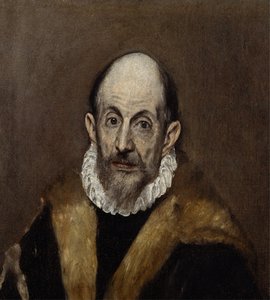
Doménikos Theotokópoulos, known simply as El Greco, was an artist utterly unlike any other. Born on Crete, he initially trained in the traditions of the Byzantine Empire – a style characterized by its rich colors, intricate detail, and spiritual intensity. However, his time in Venice exposed him to Renaissance influences, particularly the works of Titian and Veronese, which broadened his understanding of composition and color theory. Upon arriving in Toledo, Spain, El Greco synthesized these diverse influences into a uniquely personal style that is both emotionally charged and formally innovative.
His elongated figures, dramatic use of light and shadow (chiaroscuro), and expressive gestures are all hallmarks of his distinctive approach. He frequently employed a flattened perspective, creating an almost theatrical effect, as if pulling the viewer directly into the scene. This departure from traditional realism was revolutionary at the time and continues to captivate viewers today. The dynamism within this seemingly static image is remarkable – it’s a testament to El Greco's ability to imbue his subjects with profound psychological depth.
Most-Famous-Paintings offers meticulously crafted, hand-painted reproductions of El Greco’s “St. Sebastian,” allowing you to experience the power and beauty of this iconic work in your own space. Our artists replicate El Greco's nuanced techniques with exceptional care, capturing the depth of color, the texture of the paint, and the emotional intensity of the original. Whether displayed in a grand salon or a contemplative study, this reproduction serves as a constant reminder of faith, suffering, and the enduring legacy of one of art history’s most singular figures.
The 115 x 85 cm size is ideal for creating a focal point within your interior design. Consider pairing it with complementary colors – deep blues or purples – to enhance its dramatic impact. More than just a decorative piece, this reproduction invites contemplation and offers a profound connection to the artistic genius of El Greco.

1541 - 1614 , 그리스
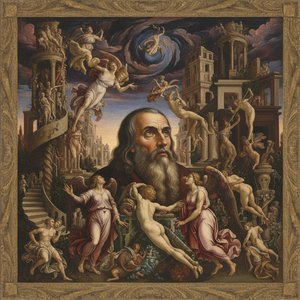
Explore the dramatic transition from High Renaissance harmony to Mannerist tension. Discover how masters like El Greco redefined art through distortion and spiritual intensity. An expert guide for art enthusiasts seeking deep historical context and museum-quality inspiration.

Explore the profound elegance of Baroque Classicism. Discover how 17th-century masters synthesized dramatic emotion with classical order through the lens of the Counter-Reformation and the works of legends like Carlo Maratta and Andrea Sacchi.

Explore the dramatic evolution from Mannerist distortion to Baroque grandeur. Discover how light, shadow, and emotion redefined art history through a masterclass in technical mastery and religious fervor.

Explore the profound drama of 17th-century Baroque art. Discover how masters used chiaroscuro, movement, and emotional intensity to redefine history through the lens of the Counter-Reformation. An expert guide for art historians and collectors seeking deep cultural insight.

Explore the profound differences between Baroque drama and Rococo elegance. Our expert guide delves into art history, chiaroscuro, and the evolution of European masterpieces for collectors and enthusiasts seeking deep historical context.


최신 미술 뉴스, 특별 혜택 및 인테리어 아이디어를 가장 먼저 만나보세요.
프로젝트에 대해 알려주시면 저희 미술 전문가들이 맞춤형 아트 제안 3가지를 전달해 드립니다.
당신만을 위한 맞춤형 옵션 3가지를 무료로 추천해 드립니다!


 미리보기
미리보기
 프린트 구매
 공유하기
공유하기 공유하기
공유하기
 상세 정보
상세 정보

 다운로드
다운로드
 유사 작품
유사 작품 X-레이
X-레이 슬라이드 쇼
 더 보기
더 보기









 유리 옵션은 110cm 미만 크기에서만 선택 가능합니다.