


x





























작품의 원본 비율을 유지하는 미리 설정된 크기 중에서 선택하세요.

특정 프레임이나 공간에 맞도록 직접 크기를 입력할 수 있습니다. 선택하신 크기가 원본 이미지의 비율과 일치하지 않는 경우, 작품을 자르거나 추가적인 손으로 그린 요소를 사용하여 그림을 확장합니다. 제작 시작 전 승인을 위해 디지털 목업을 보내드립니다.
화면 미리 보기는 실제 자르기 또는 확장을 반영하지 않습니다. 최종 구성은 목업을 통해서만 정확하게 확인하실 수 있습니다.
맞춤 크기 제작도 가능하지만, 원본 비율을 유지하기 위해 사전 정의된 목록에서 크기를 선택하시는 것을 권장합니다.

Sailing in Fehmarn
복제본 크기
Ernst Ludwig Kirchner’s “Sailing in Fehmarn” isn't merely a depiction of a boat on the water; it’s a visceral plunge into the anxieties and uncertainties that defined the early 20th century. Executed with the characteristic boldness and distortion of German Expressionism, this woodcut print immediately commands attention with its stark contrasts and dynamic composition. The scene unfolds as a moment of intense drama – a vessel battling unseen forces within a turbulent sea, mirroring perhaps the broader societal upheaval brewing beneath the surface of Wilhelmine Germany.
Kirchner’s masterful manipulation of line is central to the artwork's impact. Thick, jagged lines define the angular forms of the sail and hull, creating a sense of restless movement that pulls the viewer into the heart of the composition. Hatching and cross-hatching are deployed with deliberate precision, building up tonal variations that contribute significantly to the print’s textural richness – a rough, almost scratchy surface that evokes a feeling of immediacy and raw emotion. The limited palette of black, white, and grey amplifies this intensity, stripping away any illusion of naturalism and forcing us to confront the core emotional content.
The artwork’s technical execution reveals Kirchner's deliberate rejection of traditional perspective. The scene is flattened, with objects compressed and overlapping, creating a disconcerting sense of spatial ambiguity. This distortion isn't accidental; it’s a key element of Expressionism’s goal – to bypass rational representation and directly convey subjective experience. The printmaking process itself—carving lines into a woodblock and then meticulously printing the image—further emphasizes this deliberate manipulation of form. The artist skillfully exploited the inherent qualities of the medium, creating strong contrasts and textures that heighten the emotional impact.
“Sailing in Fehmarn” transcends a simple maritime scene; it’s laden with symbolic weight. The boat itself can be interpreted as representing humanity adrift in a world of increasing complexity and instability. The figures onboard, reduced to simplified forms, suggest a loss of individual identity within the larger currents of society. The overall feeling is one of tension, anxiety, and perhaps even exhilaration – a potent cocktail reflecting Kirchner’s own struggles with mental health and his profound disillusionment with the modern world. This artwork speaks to a deeper human condition—the experience of uncertainty, isolation, and the search for meaning in an increasingly chaotic environment.
Created by Ernst Ludwig Kirchner during a pivotal period in German art history – the early years of Expressionism (1912) – “Sailing in Fehmarn” exemplifies the movement’s core tenets. Kirchner, along with other artists like Emil Nolde and Max Pechstein, sought to break free from academic conventions and explore the darker aspects of human experience through intensely emotional imagery. This work is a testament to his commitment to portraying not what he *saw*, but what he *felt* – a deeply personal and profoundly influential contribution to the development of modern art.

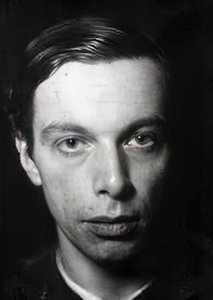
1880 - 1938 , 독일

Explore the profound history and technical mastery of woodcut relief printing. From ancient origins to German Expressionism, discover how artists use the subtractive process to create iconic works. A definitive guide for art students, collectors, and historians.


최신 미술 뉴스, 특별 혜택 및 인테리어 아이디어를 가장 먼저 만나보세요.
프로젝트에 대해 알려주시면 저희 미술 전문가들이 맞춤형 아트 제안 3가지를 전달해 드립니다.
당신만을 위한 맞춤형 옵션 3가지를 무료로 추천해 드립니다!


 미리보기
미리보기
 프린트 구매
 공유하기
공유하기 공유하기
공유하기
 상세 정보
상세 정보

 다운로드
다운로드
 유사 작품
유사 작품 X-레이
X-레이 슬라이드 쇼

 더 보기
더 보기









 유리 옵션은 110cm 미만 크기에서만 선택 가능합니다.


