x
 OilWallArtDutch Golden Age
 1658
1658 168.0 x 230.0 cm
 국립 미술관
빠른 제작과 다양한 마감 옵션을 제공하는 박물관 품질의 지클레이 또는 캔버스 프린트. ( 손으로 그린 그림 구매 이미지 구매)





























작품의 원본 비율을 유지하는 미리 설정된 크기 중에서 선택하세요.

특정 프레임이나 공간에 맞춰 직접 치수를 입력하실 수 있습니다. 선택하신 사이즈가 원본 이미지의 비율과 일치하지 않을 경우, 작품을 크롭(자르기)하거나 이미지를 대칭 또는 단색 채우기로 확장하여 제작합니다. 제작 시작 전, 최종 확인을 위해 디지털 목업이 전송됩니다.
화면상의 미리보기는 실제 크롭이나 확장 상태를 반영하지 않으므로, 최종 구도는 오직 목업을 통해서만 정확하게 확인하실 수 있습니다.
맞춤 사이즈 제작도 가능하지만, 원본 비율을 유지하기 위해서는 사전 정의된 목록에서 치수를 선택하시는 것을 권장합니다.

Venus and Adonis
복제본 크기
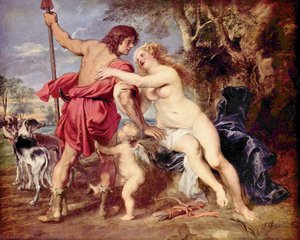
Ferdinand Bol's "Venus and Adonis" isn’t merely a depiction of a classical myth; it’s a carefully constructed tableau brimming with psychological depth, masterful technique, and the very essence of the Dutch Golden Age. Completed in 1658, this oil on canvas – measuring a substantial 168 x 230 cm and currently residing within the hallowed halls of the Rijksmuseum in Amsterdam – transcends simple illustration to become a profound meditation on love, desire, and the tension between earthly impulse and divine grace. Bol, a student of Rembrandt’s, skillfully balances the master's dramatic lighting with his own burgeoning artistic voice, creating an image that is both intensely personal and remarkably refined.
The scene itself captures a pivotal moment from Ovid’s “Metamorphoses,” where Venus, the goddess of love, attempts to persuade Adonis, her mortal lover, to abandon his pursuit of hunting. Venus, seated with an almost languid grace, holds a mirror reflecting her own image – a subtle gesture that speaks volumes about vanity and self-admiration, yet also hints at a deeper longing for connection. Her pose is one of quiet contentment, juxtaposed dramatically against the dynamic energy surrounding her. Beside her stands Cupid, not as the cherubic child of later depictions, but as a powerful, almost predatory figure – his red tunic ablaze with color and his bow and arrow radiating an undeniable force of attraction. This isn’t simply a depiction of love; it's a portrayal of its potent, sometimes overwhelming, nature.
Bol’s technical skill is immediately apparent in the painting’s masterful use of light and shadow. Characteristic of the Dutch Golden Age, the composition employs *chiaroscuro* – a dramatic contrast between illuminated areas and deep shadows – to sculpt the figures and create a palpable sense of volume and depth. The soft glow illuminating Venus's face contrasts sharply with the darker recesses of the background, drawing the viewer’s eye directly to her captivating presence. The meticulous rendering of fabric, from the flowing folds of Venus’s gown to the textured surface of Adonis’s hunting attire, demonstrates Bol’s incredible attention to detail and his commitment to capturing the tactile qualities of the world.
Furthermore, note the subtle details – the delicate veins in Adonis's hand, the way light catches on the leaves of the trees in the distance, the slight furrow in Venus’s brow. These are not mere decorative flourishes; they contribute significantly to the painting’s overall realism and emotional impact. Bol wasn’t simply copying a classical scene; he was breathing new life into it through his own artistic sensibility.
Beyond the straightforward narrative of Venus's pursuit, “Venus and Adonis” is rich in symbolic meaning. The mirror held by Venus can be interpreted as a representation of vanity, but also of self-awareness and the goddess’s own desire for admiration. The dogs in the background – often identified as representing loyalty or companionship – add another layer to the scene, suggesting a potential conflict between earthly bonds and divine passion. The cloudy sky hints at an uncertain future, mirroring the precariousness of Adonis's mortal existence.
Bol’s choice to depict Cupid not as a playful sprite but as a forceful, almost dangerous figure underscores the intensity of desire. This isn’t a gentle courtship; it’s a struggle for control – Venus attempting to shape Adonis’s fate through her influence, while Adonis resists her advances. The painting, therefore, becomes a powerful exploration of power dynamics and the complexities of human relationships.
Ferdinand Bol's "Venus and Adonis" stands as a testament to the artistic achievements of the Dutch Golden Age. His work, alongside that of Rembrandt and Vermeer, continues to captivate audiences with its technical brilliance, emotional depth, and profound insights into the human condition. Most-Famous-Paintings offers meticulously crafted hand-painted reproductions of this iconic masterpiece, allowing you to experience its beauty and complexity in stunning detail. Owning a reproduction is not simply acquiring an image; it’s bringing home a piece of art history – a window into the world of one of the most important artists of his time.

1616 - 1680 , 네덜란드

Explore the captivating world of Ferdinand Bol (1616-1680), a master Dutch portraitist deeply influenced by Rembrandt. Discover his life, style, and enduring legacy with Most-Famous-Paintings.

Discover the breathtaking beauty of Dutch Golden Age landscapes. Explore the mastery of light, chiaroscuro, and 17th-century realism through an expert art history lens, celebrating the enduring legacy of the Dutch Masters for discerning collectors and art lovers.

렘브란트, 베르메르의 걸작부터 할스의 인물화까지! 네덜란드 황금시대 미술의 10대 명품을 만나보세요. 예술적 깊이와 아름다움을 담은 작품들을 Most-Famous-Paintings에서 감상하고, 고품질 아트 프린트로 당신의 공간에 특별함을 더하세요. 지금 바로 Most-Famous-Paintings.com에서 모든 걸작을 발견하세요!
Explore the Dutch Golden Age of painting! Discover key artists like Vermeer & ter Borch, their innovative techniques, and the rich cultural context behind these Baroque masterpieces. Learn about collecting & appreciating this iconic art period.

Embark on a cultural journey through the Dutch Golden Age. Explore the masterful interplay of light and shadow in 17th-century masterpieces, from Rembrandt to Vermeer, and discover how this era of profound realism continues to inspire fine art collectors today.


최신 미술 뉴스, 특별 혜택 및 인테리어 아이디어를 가장 먼저 만나보세요.
프로젝트에 대해 알려주시면 저희 미술 전문가들이 맞춤형 아트 제안 3가지를 전달해 드립니다.
당신만을 위한 맞춤형 옵션 3가지를 무료로 추천해 드립니다!


 미리보기
미리보기
 공유하기
공유하기 공유하기
공유하기
 상세 정보
상세 정보

 다운로드
다운로드
 유사 작품
유사 작품 X-레이
X-레이 슬라이드 쇼
 더 보기
더 보기









 유리 옵션은 110cm 미만 크기에서만 선택 가능합니다.