x
빠른 제작과 다양한 마감 옵션을 제공하는 박물관 품질의 지클레이 또는 캔버스 프린트. ( 손으로 그린 그림 구매 이미지 구매)





























작품의 원본 비율을 유지하는 미리 설정된 크기 중에서 선택하세요.

특정 프레임이나 공간에 맞춰 직접 치수를 입력하실 수 있습니다. 선택하신 사이즈가 원본 이미지의 비율과 일치하지 않을 경우, 작품을 크롭(자르기)하거나 이미지를 대칭 또는 단색 채우기로 확장하여 제작합니다. 제작 시작 전, 최종 확인을 위해 디지털 목업이 전송됩니다.
화면상의 미리보기는 실제 크롭이나 확장 상태를 반영하지 않으므로, 최종 구도는 오직 목업을 통해서만 정확하게 확인하실 수 있습니다.
맞춤 사이즈 제작도 가능하지만, 원본 비율을 유지하기 위해서는 사전 정의된 목록에서 치수를 선택하시는 것을 권장합니다.

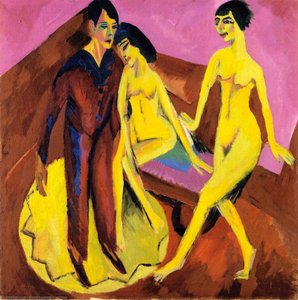
Emotion (study)
복제본 크기
“Emotion (Study)” by Ferdinand Hodler is a captivating artwork that exemplifies the artist's mastery of capturing human emotion within a natural setting. Created in 1902, this oil painting showcases Hodler’s signature style and embodies the essence of Art Nouveau with its flowing lines and organic forms.
Ferdinand Hodler (1853-1918) was a Swiss painter renowned for his ability to portray everyday people in harmonious connection with nature. He sought to express the underlying rhythms of life, believing that parallel lines could represent both natural forms and human relationships. Hodler’s work often explored themes of solitude, community, and the cyclical nature of existence. “Emotion (Study)” is a prime example of his exploration of interpersonal dynamics and emotional states.
The painting depicts two women standing close together in a field, their postures conveying a sense of shared emotion. One woman clasps her hands together, suggesting introspection or anxiety, while the other holds her hands up to her face, perhaps expressing concern or empathy. Hodler’s use of color is striking; the green and blue dresses of the women complement the natural surroundings, creating a harmonious visual experience. The background features a grassy area that adds depth to the composition. Hodler's technique involves loose brushstrokes and a flattened perspective, characteristic of Post-Impressionism. This approach lends the painting a dreamlike quality, emphasizing the emotional rather than the purely representational aspects of the scene.
While seemingly simple in its depiction, “Emotion (Study)” is rich with symbolic meaning. The women's gestures suggest a complex interplay of emotions – perhaps worry, support, or shared vulnerability. The natural setting reinforces the idea of human connection within the larger world. Hodler’s use of parallel lines, a recurring motif in his work, can be interpreted as representing the interconnectedness of these two figures and their emotional bond. The painting evokes a sense of quiet contemplation and invites viewers to reflect on the nuances of human relationships and the power of unspoken emotions.
Hodler’s artistic legacy extends beyond “Emotion (Study).” Other notable works include "Rosebush in a Meadow" and "Little Girl Picking Flowers," both demonstrating his skill in capturing the beauty of nature and the human experience. “Emotion (Study)” is housed at the Villa Flora in Switzerland, a museum dedicated to Art Nouveau pieces. Today, handmade oil painting reproductions of “Emotion (Study)” are available, allowing art enthusiasts to appreciate Hodler’s profound exploration of emotion and connection.


1853 - 1918 , 스위스

Explore the profound history and technical brilliance of oil on panel painting. From Renaissance masters to modern techniques, discover why this rigid support offers unparalleled precision and permanence for fine art lovers and collectors.


최신 미술 뉴스, 특별 혜택 및 인테리어 아이디어를 가장 먼저 만나보세요.
프로젝트에 대해 알려주시면 저희 미술 전문가들이 맞춤형 아트 제안 3가지를 전달해 드립니다.
당신만을 위한 맞춤형 옵션 3가지를 무료로 추천해 드립니다!


 미리보기
미리보기
 공유하기
공유하기 공유하기
공유하기
 상세 정보
상세 정보

 다운로드
다운로드
 유사 작품
유사 작품 X-레이
X-레이 슬라이드 쇼

 더 보기
더 보기









 유리 옵션은 110cm 미만 크기에서만 선택 가능합니다.