


x





























작품의 원본 비율을 유지하는 미리 설정된 크기 중에서 선택하세요.

특정 프레임이나 공간에 맞도록 직접 크기를 입력할 수 있습니다. 선택하신 크기가 원본 이미지의 비율과 일치하지 않는 경우, 작품을 자르거나 추가적인 손으로 그린 요소를 사용하여 그림을 확장합니다. 제작 시작 전 승인을 위해 디지털 목업을 보내드립니다.
화면 미리 보기는 실제 자르기 또는 확장을 반영하지 않습니다. 최종 구성은 목업을 통해서만 정확하게 확인하실 수 있습니다.
맞춤 크기 제작도 가능하지만, 원본 비율을 유지하기 위해 사전 정의된 목록에서 크기를 선택하시는 것을 권장합니다.

Abstract composition (sheets)
복제본 크기
In the heart of the early twentieth century, amidst the clatter of a world transforming through steam and steel, Fernand Léger captured something far more profound than mere machinery. His "Abstract Composition (Sheets)" stands as a breathtaking testament to the era's restless energy, acting not just as a painting, but as an embodiment of the anxieties and aspirations surrounding the burgeoning industrial revolution. Executed between 1916 and 1920, during the harrowing years of World War I, this masterpiece represents a radical departure from the fleeting sensory experiences of Impressionism. Instead, Léger sought to distill reality into its most fundamental geometric components, mirroring the mechanized world he observed with an unwavering, almost hypnotic fascination.
The canvas unfolds as a rhythmic dance of color and shape, dominated by a striking palette of ochre, crimson, and black. These are not merely decorative choices; they are colors chosen to convey the duality of progress—the strength of new construction paired with the inevitable decay of the old world. To gaze upon this work is to feel the pulse of a changing civilization, where every circle and line serves as a building block for a new visual language.
Within the lineage of modern art, "Abstract Composition (Sheets)" firmly establishes Léger within the vibrant movement known as Orphism. While his contemporaries in Cubism were often preoccupied with the fragmentation of objects into multiple perspectives, Léger and his peers prioritized the pure, emotive power of color and geometric abstraction. This piece is a masterclass in that philosophy, utilizing repetitive circular forms that appear to float and rotate across the surface, creating an incredible sense of depth and kinetic movement.
The technique employed here is nothing short of sculptural. Léger utilized encaustic paint—a rich mixture of pigment and beeswax—to achieve a textured, layered surface. This method allows the light to interact with the painting in a way that traditional oils cannot, imbuing the bold hues with a palpable, physical energy. Each meticulously placed circle contributes to a carefully orchestrated balance, ensuring that despite the abstraction, the composition feels grounded and intentional. For the discerning collector or interior designer, this texture offers a sophisticated tactile quality that brings a sense of history and substance to any modern space.
To understand the emotional weight of this work, one must consider the shadows cast by the Great War. The devastation wrought upon Europe during Léger's creative period fueled a deep-seated need to find order within chaos. Through his "tubism" and later abstract styles, Léger integrated the dynamism of the machine age into a visual language that felt both futuristic and deeply rooted in the observable world. He did not retreat from reality into pure abstraction; rather, he found the soul of modernity within its very gears and pistons.
For those seeking to adorn a space with art that inspires contemplation and strength, this reproduction offers more than just aesthetic beauty. It provides a window into a pivotal moment in human history—a time when the world was being rebuilt from the ground up. Whether placed in a minimalist gallery setting or as a bold focal point in a contemporary living room, "Abstract Composition (Sheets)" continues to resonate with the same rhythmic, mechanical heartbeat that first captivated the avant-garde of Paris over a century ago.

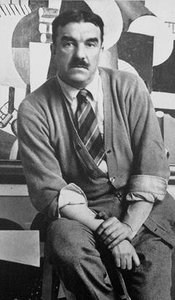
1881 - 1955 , 프랑스

Explore the profound impact of Minimalism and Geometric Abstraction. From Mondrian to Malevich, discover how stripping art to its essential forms revolutionized modern aesthetics through our expert-led historical guide.


최신 미술 뉴스, 특별 혜택 및 인테리어 아이디어를 가장 먼저 만나보세요.
프로젝트에 대해 알려주시면 저희 미술 전문가들이 맞춤형 아트 제안 3가지를 전달해 드립니다.
당신만을 위한 맞춤형 옵션 3가지를 무료로 추천해 드립니다!


 미리보기
미리보기
 프린트 구매
 공유하기
공유하기 공유하기
공유하기
 상세 정보
상세 정보

 다운로드
다운로드
 유사 작품
유사 작품 X-레이
X-레이 슬라이드 쇼


 더 보기
더 보기









 유리 옵션은 110cm 미만 크기에서만 선택 가능합니다.


