


x





























작품의 원본 비율을 유지하는 미리 설정된 크기 중에서 선택하세요.

특정 프레임이나 공간에 맞도록 직접 크기를 입력할 수 있습니다. 선택하신 크기가 원본 이미지의 비율과 일치하지 않는 경우, 작품을 자르거나 추가적인 손으로 그린 요소를 사용하여 그림을 확장합니다. 제작 시작 전 승인을 위해 디지털 목업을 보내드립니다.
화면 미리 보기는 실제 자르기 또는 확장을 반영하지 않습니다. 최종 구성은 목업을 통해서만 정확하게 확인하실 수 있습니다.
맞춤 크기 제작도 가능하지만, 원본 비율을 유지하기 위해 사전 정의된 목록에서 크기를 선택하시는 것을 권장합니다.

Postcard
복제본 크기
In the vibrant tapestry of early twentieth-century modernism, few works capture the rhythmic pulse of the machine age as evocatively as Fernand Léger’s "Postcard." Painted during his most prolific creative era between 1925 and 1930, this masterpiece serves as a profound meditation on the intersection of human tradition and technological progress. At first glance, the viewer is greeted by three women, poised in a moment of quiet contemplation as they hold books to their chests. Yet, beneath this serene surface lies Léger’s signature Tubism—a style that celebrates the beauty of cylindrical forms and the geometric precision of an industrializing world. The painting does not merely depict a scene; it constructs a visual language where the organic and the mechanical dance in a delicate, colorful equilibrium.
The technique employed by Léger is nothing short of transformative. While his contemporaries often retreated into pure abstraction, Léger utilized a sophisticated blend of Cubist fragmentation and bold, saturated color palettes to create an illusionistic depth that defies simple representation. The figures are rendered with simplified, almost sculptural shapes, yet they possess a weight and presence that feels remarkably tangible. Through masterful tonal modulation, he breathes life into the canvas, allowing light to play across the geometric planes of the women’s garments and the surrounding environment. This approach creates a sense of movement and vitality, making the artwork feel less like a static image and more like a living, breathing fragment of a modern metropolis.
Beyond its striking aesthetic, "Postcard" is rich with symbolic layers that invite deep intellectual engagement. Léger masterfully weaves elements of nature into an otherwise mechanized composition to suggest a world where progress and biology coexist. The inclusion of two birds—one soaring near the top left and another nestled toward the bottom right—acts as a poignant metaphor for freedom and the boundless aspirations of the human spirit. These organic flourishes are balanced by the presence of a potted plant, which embodies resilience and the enduring strength of life amidst the steel and stone of urban existence. Even the prominent clock positioned at the upper center serves as a silent narrator, reminding us of the relentless march of time that shapes both our personal histories and the evolution of art itself.
For the discerning collector or interior designer, this artwork offers more than just visual splendor; it provides an emotional anchor. The juxtaposition of the women’s intellectual pursuits—symbolized by their books—against a backdrop of industrial geometry creates a narrative of intellectual grace within a fast-paced world. It is a piece that commands attention in any sophisticated space, offering a sense of structured calm and historical depth. Whether placed in a contemporary gallery setting or a classic study, "Postcard" inspires a sense of wonder, reminding us that even in an age of machines, the human soul remains the ultimate architect of beauty.
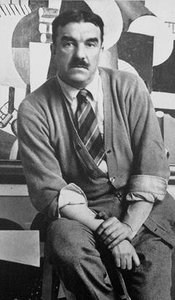
1881 - 1955 , 프랑스

Explore the profound impact of Minimalism and Geometric Abstraction. From Mondrian to Malevich, discover how stripping art to its essential forms revolutionized modern aesthetics through our expert-led historical guide.


최신 미술 뉴스, 특별 혜택 및 인테리어 아이디어를 가장 먼저 만나보세요.
프로젝트에 대해 알려주시면 저희 미술 전문가들이 맞춤형 아트 제안 3가지를 전달해 드립니다.
당신만을 위한 맞춤형 옵션 3가지를 무료로 추천해 드립니다!


 미리보기
미리보기
 프린트 구매
 공유하기
공유하기 공유하기
공유하기
 상세 정보
상세 정보

 다운로드
다운로드
 유사 작품
유사 작품 X-레이
X-레이 슬라이드 쇼

 더 보기
더 보기









 유리 옵션은 110cm 미만 크기에서만 선택 가능합니다.


