


x





























작품의 원본 비율을 유지하는 미리 설정된 크기 중에서 선택하세요.

특정 프레임이나 공간에 맞도록 직접 크기를 입력할 수 있습니다. 선택하신 크기가 원본 이미지의 비율과 일치하지 않는 경우, 작품을 자르거나 추가적인 손으로 그린 요소를 사용하여 그림을 확장합니다. 제작 시작 전 승인을 위해 디지털 목업을 보내드립니다.
화면 미리 보기는 실제 자르기 또는 확장을 반영하지 않습니다. 최종 구성은 목업을 통해서만 정확하게 확인하실 수 있습니다.
맞춤 크기 제작도 가능하지만, 원본 비율을 유지하기 위해 사전 정의된 목록에서 크기를 선택하시는 것을 권장합니다.

Still Life with key
복제본 크기
Fernand Léger's Still Life with Key is more than just a depiction of musical instruments; it’s a profound meditation on the burgeoning relationship between humanity and machinery, rendered in his signature “Tubism” style. Painted by this pivotal figure of the early 20th century, the artwork captures a moment of quiet contemplation amidst a carefully orchestrated tableau of objects – a violin, cello, piano, books, and a bowl – each imbued with a sense of deliberate arrangement that speaks to Léger’s fascination with geometric forms and industrial aesthetics. The painting's power lies not just in its subject matter but in the way Léger translates observed reality into an intensely abstract language, anticipating the radical shifts occurring within the art world at the time.
Created between 1920 and 1930, Still Life with Key firmly establishes Léger’s groundbreaking approach known as “Tubism.” Emerging from his earlier work, particularly the "Dynamic Cubes," Tubism sought to represent objects not as single, unified forms but as a series of interlocking geometric volumes – cylinders, cones, and cubes – reflecting the fragmented perspectives offered by modern urban life and the mechanized world. Léger was deeply influenced by the industrial landscape of Paris, witnessing firsthand the rise of factories, trains, and other machines that were reshaping society. This fascination is vividly expressed in the painting’s fractured representation of the instruments, suggesting their construction as a complex assembly of parts rather than a seamless whole.
Beyond its purely formal concerns, Still Life with Key carries significant symbolic weight. The musical instruments themselves – violin, cello, and piano – represent the enduring power of human creativity and expression in an increasingly mechanized world. Their placement within the composition is deliberate, creating a visual dialogue between organic forms (the instruments) and geometric ones (Léger’s fragmented representation). The books scattered throughout the scene could symbolize knowledge, tradition, or perhaps a yearning for stability amidst the rapid changes brought about by industrialization. Even the key, subtly integrated into the artwork, hints at unlocking new possibilities, accessing hidden structures, or controlling the forces of modernity.
Léger’s technique is characterized by bold brushstrokes, a vibrant palette dominated by blues, greens, and ochres, and a meticulous attention to detail within his abstracted forms. He employed a layering technique, building up the composition through multiple applications of paint, creating a textured surface that adds depth and dynamism to the work. The overall effect is one of controlled chaos – a visual representation of the energy and movement inherent in the machine age. Still Life with Key evokes a sense of both fascination and unease, inviting viewers to contemplate the complex relationship between humanity and technology, a theme that remains remarkably relevant today. This reproduction offers an exceptional opportunity to experience Léger’s revolutionary vision firsthand.
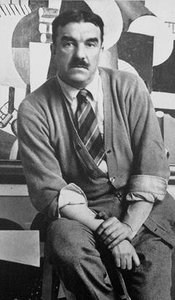
1881 - 1955 , 프랑스
Explore the profound emotional depth of Lyrical Abstraction. Discover how masters like Raymond Parker used color and form to bridge Impressionism and Abstract Expressionism. Learn about this pivotal movement through our expert-led art history guide.

Explore the profound emotional depth of Color Field painting. Discover the history of mid-century abstraction, from Rothko to Newman, and learn how pure color transforms the viewer's experience through our expert art history guide.


최신 미술 뉴스, 특별 혜택 및 인테리어 아이디어를 가장 먼저 만나보세요.
프로젝트에 대해 알려주시면 저희 미술 전문가들이 맞춤형 아트 제안 3가지를 전달해 드립니다.
당신만을 위한 맞춤형 옵션 3가지를 무료로 추천해 드립니다!


 미리보기
미리보기
 프린트 구매
 공유하기
공유하기 공유하기
공유하기
 상세 정보
상세 정보

 다운로드
다운로드
 유사 작품
유사 작품 X-레이
X-레이 슬라이드 쇼

 더 보기
더 보기









 유리 옵션은 110cm 미만 크기에서만 선택 가능합니다.


