


x





























작품의 원본 비율을 유지하는 미리 설정된 크기 중에서 선택하세요.

특정 프레임이나 공간에 맞도록 직접 크기를 입력할 수 있습니다. 선택하신 크기가 원본 이미지의 비율과 일치하지 않는 경우, 작품을 자르거나 추가적인 손으로 그린 요소를 사용하여 그림을 확장합니다. 제작 시작 전 승인을 위해 디지털 목업을 보내드립니다.
화면 미리 보기는 실제 자르기 또는 확장을 반영하지 않습니다. 최종 구성은 목업을 통해서만 정확하게 확인하실 수 있습니다.
맞춤 크기 제작도 가능하지만, 원본 비율을 유지하기 위해 사전 정의된 목록에서 크기를 선택하시는 것을 권장합니다.

The accordion
복제본 크기
In the vibrant landscape of early twentieth-century modernism, few works capture the rhythmic pulse of the machine age as strikingly as Fernand Léger’s “The Accordion.” Completed in 1926, this masterpiece serves as a profound manifesto of Purism, a movement that sought to strip away the chaotic emotionality of previous eras in favor of a clean, structured, and essential visual language. At first glance, the viewer is met with an arresting arrangement of geometric forms—cubes, cylinders, and sharp planes—that seem to vibrate with a mechanical energy. The central figure, a monumental accordion, dominates the canvas not merely as a musical instrument, but as a sculptural totem of modernity. Through its multifaceted surfaces, Léger invites us to witness a world where the boundaries between organic life and industrial precision begin to blur into a singular, harmonious vision.
The technique employed by Léger in this piece is nothing short of masterful, characterized by a bold, graphic clarity that remains timeless. He utilizes a distinctive method of meticulous black outlining, which serves to anchor each shape with architectural certainty. Within these boundaries, large, unapologetic blocks of primary and secondary colors—vibrant reds, deep blues, and striking yellows—are applied to create a sense of weight and volume. This approach rejects the soft, atmospheric illusions of Impressionism, opting instead for a tactile materiality that celebrates the surface of the canvas. For the discerning collector or interior designer, this technique offers an incredible visual depth; the interplay of light and color creates a dynamic presence that can transform a contemporary space, acting as both a sophisticated focal point and a window into the heart of the avant-garde.
Beyond its striking aesthetic, “The Accordion” is steeped in a rich historical and symbolic narrative. Léger’s artistic journey was deeply influenced by his formative years working on the farms of Normandy, an experience that instilled in him a lifelong reverence for the physical essence of objects. In this painting, he translates that appreciation into the language of the factory and the city. The inclusion of secondary elements—the steady presence of bottles, the ticking suggestion of a clock, and the structural silhouette of a chair—creates a complex spatial dialogue. These objects are not mere still-life tropes; they are symbols of time, technology, and the human rhythm embedded within a mechanized society. The accordion itself, with its repetitive bellows and metallic keys, becomes a metaphor for the synchronized movement of modern life.
To possess a reproduction of this work is to bring a piece of art history’s most transformative era into one's personal environment. It evokes an emotional response that is both intellectual and visceral—a sense of order, strength, and forward momentum. Whether placed in a minimalist gallery-style setting or as a bold statement in a classic study, “The Accordion” resonates with anyone who finds beauty in structure and elegance in precision. It remains a testament to Léger’s ability to find the soul within the machine, offering an enduring inspiration that continues to captivate the modern eye.
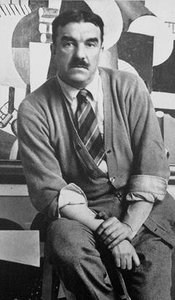
1881 - 1955 , 프랑스

Explore the profound history and technical mastery of woodcut relief printing. From ancient origins to German Expressionism, discover how artists use the subtractive process to create iconic works. A definitive guide for art students, collectors, and historians.

Discover the technical mastery behind Most-Famous-Paintings.com's premium Giclée canvas prints. Our guide for elite collectors explores archival pigment inks, museum-grade substrates, and the science of high-fidelity reproduction to ensure lasting beauty and historical accuracy.

Discover the science behind museum-quality Giclée prints. Learn how archival pigment inks, 12-color precision, and museum-grade substrates create high-fidelity art reproductions designed to preserve the soul of historical masterpieces for generations.


최신 미술 뉴스, 특별 혜택 및 인테리어 아이디어를 가장 먼저 만나보세요.
프로젝트에 대해 알려주시면 저희 미술 전문가들이 맞춤형 아트 제안 3가지를 전달해 드립니다.
당신만을 위한 맞춤형 옵션 3가지를 무료로 추천해 드립니다!


 미리보기
미리보기
 프린트 구매
 공유하기
공유하기 공유하기
공유하기
 상세 정보
상세 정보

 다운로드
다운로드
 유사 작품
유사 작품 X-레이
X-레이 슬라이드 쇼

 더 보기
더 보기









 유리 옵션은 110cm 미만 크기에서만 선택 가능합니다.


