


x





























작품의 원본 비율을 유지하는 미리 설정된 크기 중에서 선택하세요.

특정 프레임이나 공간에 맞도록 직접 크기를 입력할 수 있습니다. 선택하신 크기가 원본 이미지의 비율과 일치하지 않는 경우, 작품을 자르거나 추가적인 손으로 그린 요소를 사용하여 그림을 확장합니다. 제작 시작 전 승인을 위해 디지털 목업을 보내드립니다.
화면 미리 보기는 실제 자르기 또는 확장을 반영하지 않습니다. 최종 구성은 목업을 통해서만 정확하게 확인하실 수 있습니다.
맞춤 크기 제작도 가능하지만, 원본 비율을 유지하기 위해 사전 정의된 목록에서 크기를 선택하시는 것을 권장합니다.

The Moulin Rouge
복제본 크기
Fernand Léger's “The Moulin Rouge” is not merely a depiction of a Parisian cabaret; it’s a vibrant, pulsating embodiment of the early 20th century’s fascination with industrialization and its impact on human form. Painted around 1923, this artwork captures a fleeting moment of performance within the iconic setting of the Moulin Rouge, yet Léger's distinctive style transcends simple representation, offering instead a powerful meditation on movement, geometry, and the burgeoning spirit of modernity. The painting’s subject – a woman in striking yellow attire – is rendered with an almost sculptural quality, her elongated neck and large head echoing the rigid lines and mechanical forms that would become hallmarks of Léger's oeuvre. This isn’t a portrait in the traditional sense; it’s an exploration of how human figures were being perceived and reimagined through the lens of a rapidly changing world.
“The Moulin Rouge” reflects Léger’s broader artistic concerns, which were deeply intertwined with the rise of industrialization and its influence on human life. The woman's pose, reminiscent of a dancer or performer, can be interpreted as a symbol of humanity adapting to – and perhaps even being shaped by – the mechanical forces of the modern age. The handbag, a small detail, adds another layer of intrigue, suggesting both practicality and the potential for consumerism within this new environment. Léger was profoundly interested in the relationship between humans and machines, believing that artists could find beauty and meaning in the forms of industry.
Created during a period of immense social and technological change, “The Moulin Rouge” aligns with Léger’s broader engagement with Cubism and Constructivism. While influenced by Picasso and Braque, Léger developed his own distinct style, characterized by its emphasis on geometric abstraction and its exploration of industrial forms. This painting represents a crucial moment in the development of modern art, demonstrating how artists were responding to the challenges and opportunities presented by the machine age. It’s a testament to Léger's vision that he managed to translate the raw energy of the industrial landscape into a powerfully expressive work of art.
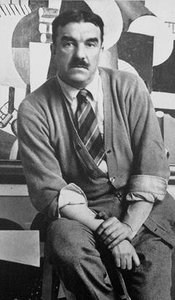
1881 - 1955 , 프랑스
Explore the profound emotional depth of Lyrical Abstraction. Discover how masters like Raymond Parker used color and form to bridge Impressionism and Abstract Expressionism. Learn about this pivotal movement through our expert-led art history guide.

Explore the profound emotional depth of Color Field painting. Discover the history of mid-century abstraction, from Rothko to Newman, and learn how pure color transforms the viewer's experience through our expert art history guide.


최신 미술 뉴스, 특별 혜택 및 인테리어 아이디어를 가장 먼저 만나보세요.
프로젝트에 대해 알려주시면 저희 미술 전문가들이 맞춤형 아트 제안 3가지를 전달해 드립니다.
당신만을 위한 맞춤형 옵션 3가지를 무료로 추천해 드립니다!


 미리보기
미리보기
 프린트 구매
 공유하기
공유하기 공유하기
공유하기
 상세 정보
상세 정보

 다운로드
다운로드
 유사 작품
유사 작품 X-레이
X-레이 슬라이드 쇼
 더 보기
더 보기









 유리 옵션은 110cm 미만 크기에서만 선택 가능합니다.


