A Symphony of Shapes: Exploring Fernand Léger’s “The Tug”
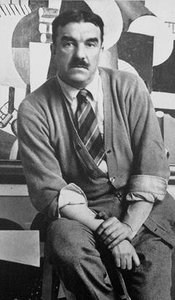
Fernand Léger's "The Tug," completed in 1924, stands as an emblem of Naïve Art—a movement that deliberately rejected academic conventions to embrace a raw, intuitive approach to artistic expression. Born Joseph Fernand Henri Léger in Argentan, Normandy, France, in 1881, Léger’s formative years instilled within him a profound appreciation for the tangible world – specifically, the rhythms of rural life and the physicality of agricultural labor. This grounding experience would later inform his groundbreaking stylistic innovations, propelling him to become one of the most influential artists of the early twentieth century.
- Style & Technique: Léger’s distinctive style is characterized by geometric abstraction—a deliberate simplification of forms into basic shapes like circles, squares, and triangles. He eschewed illusionistic perspective, opting instead for a flattened surface that emphasizes compositional unity. The painting utilizes bold colors – predominantly oranges and yellows – applied with thick impasto technique, creating palpable textural surfaces that convey movement and energy.
- Historical Context: “The Tug” emerged during the burgeoning Machine Age, mirroring anxieties about industrialization alongside an optimistic fascination with technological progress. Léger’s artistic vision responded directly to this cultural milieu, translating its dynamism into visual terms.
Decoding Symbolism: Form Meets Function
Beyond mere stylistic considerations, Léger imbued “The Tug” with symbolic resonance. The prominent orange hues evoke associations with warmth, vitality, and the sun—representing not only physical illumination but also spiritual optimism. Furthermore, the repetitive geometric shapes – particularly triangles – convey stability and structural integrity, juxtaposed against the implied movement of the depicted tugboat. These elements collectively communicate a message about harnessing power and embracing progress while maintaining an awareness of fundamental principles.
- Compositional Dynamics: Léger’s masterful arrangement of shapes contributes to the painting's overall impact. The central tugboat dominates the visual field, anchoring the composition while simultaneously drawing the viewer’s eye across the expanse of color and form.
Emotional Resonance: Capturing the Spirit of Modernity
“The Tug” transcends its formal qualities to evoke a palpable emotional response. The energetic brushstrokes convey a sense of exhilaration—a celebration of technological advancement and an affirmation of human creativity. Simultaneously, the painting’s simplified aesthetic invites contemplation, prompting viewers to consider the broader implications of industrial society and its transformative influence on human experience.
- Legacy & Influence: Léger's pioneering approach to abstraction profoundly impacted subsequent generations of artists, establishing Naïve Art as a significant counterpoint to prevailing artistic trends. His unwavering commitment to capturing the essence of modernity continues to inspire contemporary creatives seeking innovative ways to express their vision.
A Reproduction Worthy of Distinction: Bringing Léger’s Vision Home
A high-quality reproduction of “The Tug” offers an exceptional opportunity to experience Léger's artistic genius firsthand. Selecting a print crafted with archival inks and utilizing canvas stretched taut ensures that the painting’s vibrant colors and textural surfaces are faithfully preserved—allowing collectors and interior designers alike to appreciate the enduring beauty and intellectual depth of this seminal work.