


x
빠른 제작과 다양한 마감 옵션을 제공하는 박물관 품질의 지클레이 또는 캔버스 프린트. ( 손으로 그린 그림 구매 이미지 구매)





























작품의 원본 비율을 유지하는 미리 설정된 크기 중에서 선택하세요.

특정 프레임이나 공간에 맞춰 직접 치수를 입력하실 수 있습니다. 선택하신 사이즈가 원본 이미지의 비율과 일치하지 않을 경우, 작품을 크롭(자르기)하거나 이미지를 대칭 또는 단색 채우기로 확장하여 제작합니다. 제작 시작 전, 최종 확인을 위해 디지털 목업이 전송됩니다.
화면상의 미리보기는 실제 크롭이나 확장 상태를 반영하지 않으므로, 최종 구도는 오직 목업을 통해서만 정확하게 확인하실 수 있습니다.
맞춤 사이즈 제작도 가능하지만, 원본 비율을 유지하기 위해서는 사전 정의된 목록에서 치수를 선택하시는 것을 권장합니다.

untitled (4692)
복제본 크기
In the vast landscape of twentieth-century modernism, few works capture the rhythmic pulse of the machine age as poignantly as Fernand Léger’s "Untitled (4692)." Created during the transformative years between 1930 and 1935, this masterpiece serves as a crystallized moment of artistic rebellion. Rather than retreating into pure abstraction, Léger invites the viewer into a carefully orchestrated tableau where the boundaries between the human form and the inanimate object begin to blur. The painting presents a solitary, bearded figure seated in a state of quiet contemplation, cradling two delicate figurines within his hands. Yet, this is no traditional portrait; it is a sophisticated exploration of how life, time, and structure intersect within the modern urban experience.
The composition is a masterclass in Tubism—a term often applied to Léger’s unique evolution of Cubism. He moves away from the fractured, multi-perspective fragmentation of Picasso and Braque, opting instead for a singular, powerful viewpoint defined by interlocking planes and cylindrical forms. Through his brush, the man, the clocks, the bowl, and the vase are unified by a shared geometric language. The repetition of angular lines and simplified, robust shapes mimics the precision of industrial design, reflecting the artist's fascination with the beauty found in factory production and mechanical rhythm. For the discerning collector, this piece offers a profound sense of structural balance that brings both intellectual depth and a striking visual order to any interior space.
Beyond its aesthetic brilliance, "Untitled (4692)" is steeped in the historical anxieties and technological optimism of the interwar period. Léger was deeply moved by the legacy of Italian Futurism, absorbing their glorification of speed and dynamism while tempering it with a more grounded, humanistic approach. The presence of clocks within the composition acts as a poignant symbol of the relentless march of time—a constant, ticking reminder of the accelerating pace of modern society. These temporal elements, paired with the heavy, sculptural quality of the objects surrounding the figure, create a tension between the permanence of form and the fleeting nature of the moment.
To possess a reproduction of this work is to invite a piece of art history into one's home that speaks of resilience and evolution. The emotional impact of the painting lies in its ability to find harmony within chaos; it takes the disparate, often jarring elements of modern life—the mechanical, the domestic, and the human—and weaves them into a cohesive, beautiful whole. For interior designers seeking to anchor a room with a conversation piece that embodies strength and sophistication, Léger’s work provides an unparalleled sense of architectural elegance and avant-garde spirit.
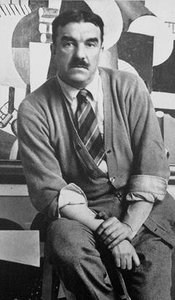
1881 - 1955 , 프랑스

Discover the profound intersection of geometry and emotion in Cubist Expressionism. Explore art history through our expert analysis of modern masters and find museum-quality, hand-painted oil reproductions of iconic masterpieces for your collection.


최신 미술 뉴스, 특별 혜택 및 인테리어 아이디어를 가장 먼저 만나보세요.
프로젝트에 대해 알려주시면 저희 미술 전문가들이 맞춤형 아트 제안 3가지를 전달해 드립니다.
당신만을 위한 맞춤형 옵션 3가지를 무료로 추천해 드립니다!


 미리보기
미리보기
 공유하기
공유하기 공유하기
공유하기
 상세 정보
상세 정보

 다운로드
다운로드
 유사 작품
유사 작품 X-레이
X-레이 슬라이드 쇼

 더 보기
더 보기









 유리 옵션은 110cm 미만 크기에서만 선택 가능합니다.


