x
 Oil On CanvasWallArtExpressionist Abstraction
 1950
1950 198.0 x 132.0 cm
 Leeds Art Gallery




























작품의 원본 비율을 유지하는 미리 설정된 크기 중에서 선택하세요.

특정 프레임이나 공간에 맞도록 직접 크기를 입력할 수 있습니다. 선택하신 크기가 원본 이미지의 비율과 일치하지 않는 경우, 작품을 자르거나 추가적인 손으로 그린 요소를 사용하여 그림을 확장합니다. 제작 시작 전 승인을 위해 디지털 목업을 보내드립니다.
화면 미리 보기는 실제 자르기 또는 확장을 반영하지 않습니다. 최종 구성은 목업을 통해서만 정확하게 확인하실 수 있습니다.
맞춤 크기 제작도 가능하지만, 원본 비율을 유지하기 위해 사전 정의된 목록에서 크기를 선택하시는 것을 권장합니다.

Painting
복제본 크기
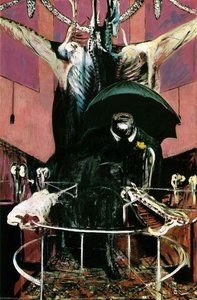
Francis Bacon's "Painting," created in 1950 and currently residing at the Leeds Art Gallery, isn’t merely a depiction of a figure; it’s an excavation of raw emotion, a primal scream rendered in oil on canvas. The image presents a naked man, caught in a moment of intense scrutiny, positioned before what appears to be a weathered fence or gate – a barrier both physical and psychological. His posture, subtly turned towards the viewer over his shoulder, suggests a confrontation with something unseen, something profoundly unsettling lurking just beyond our perception. This isn’t a portrait intended for aesthetic pleasure; it's an exploration of anxiety, isolation, and the inescapable awareness of mortality—themes that would come to define Bacon’s entire oeuvre.
Bacon’s style in this period is powerfully characterized by distortion and fragmentation. The figure isn't rendered with anatomical precision; instead, it’s a grotesque amalgamation of shapes—elongated limbs, bulbous heads, and contorted features – all contributing to an overwhelming sense of unease. This deliberate departure from realism serves not to misrepresent the subject but to amplify its emotional state. The brushstrokes themselves are frenetic and agitated, applied with a thick impasto that adds texture and physicality to the canvas. Notice how the red and blue pigments dominate, creating a jarring yet compelling visual rhythm. Bacon’s technique wasn't about replicating reality; it was about channeling an internal experience onto the surface of the painting.
To understand “Painting,” we must consider the turbulent backdrop of post-war Britain. Bacon’s early life, marked by instability and a strained relationship with his father, undoubtedly informed his artistic vision. The shadow of World War II loomed large, leaving a residue of trauma and uncertainty in its wake. Bacon was deeply influenced by Surrealism, particularly the work of artists like Max Ernst and Salvador Dalí, who explored subconscious anxieties through dreamlike imagery and distorted forms. However, Bacon’s work transcends mere imitation; he distilled these influences into something uniquely his own—a brutally honest portrayal of the human condition.
The nakedness of the figure is a crucial element. It strips away any pretense, exposing vulnerability and primal instinct. He’s not a heroic or idealized subject; he's simply human, confronting an unknown horror. The act of looking over his shoulder suggests a recognition of something sinister—a fear that has taken root within him. The fence or gate itself can be interpreted as a barrier against this dread, yet it offers no protection. It’s a futile attempt to contain the overwhelming anxieties of existence. Bacon frequently used such imagery – figures trapped, isolated, and confronted with forces beyond their control – reflecting a broader sense of existential unease prevalent in the mid-20th century.
Most-Famous-Paintings is proud to offer high-quality reproductions of Francis Bacon’s “Painting,” allowing you to bring this powerful and emotionally resonant artwork into your home or office. Our hand-painted reproductions capture the essence of Bacon's style with meticulous detail, ensuring an authentic representation of this seminal work of art.

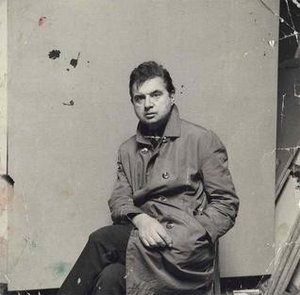
1909 - 1992 , 아일랜드

Explore the profound emotional depth of Expressionist portraiture. From Edvard Munch to Francis Bacon, discover how masters used distortion and color to reveal inner truths. Learn about this pivotal movement and find museum-quality oil reproductions for your collection.


최신 미술 뉴스, 특별 혜택 및 인테리어 아이디어를 가장 먼저 만나보세요.
프로젝트에 대해 알려주시면 저희 미술 전문가들이 맞춤형 아트 제안 3가지를 전달해 드립니다.
당신만을 위한 맞춤형 옵션 3가지를 무료로 추천해 드립니다!


 미리보기
미리보기
 프린트 구매
 공유하기
공유하기 공유하기
공유하기
 상세 정보
상세 정보

 다운로드
다운로드
 유사 작품
유사 작품 X-레이
X-레이 슬라이드 쇼
 더 보기
더 보기









 유리 옵션은 110cm 미만 크기에서만 선택 가능합니다.