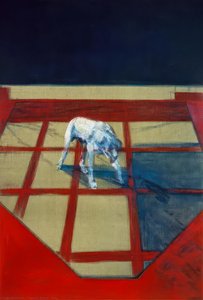
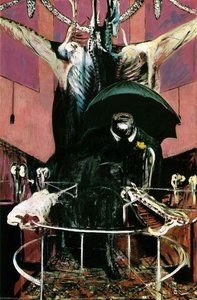
x
 캔버스에 아크릴 물감월아트Expressionism
 1991근현대
 198.0 x 148.0 cm
빠른 제작과 다양한 마감 옵션을 제공하는 박물관 품질의 지클레이 또는 캔버스 프린트. ( 손으로 그린 그림 구매 이미지 구매)





























작품의 원본 비율을 유지하는 미리 설정된 크기 중에서 선택하세요.

특정 프레임이나 공간에 맞춰 직접 치수를 입력하실 수 있습니다. 선택하신 사이즈가 원본 이미지의 비율과 일치하지 않을 경우, 작품을 크롭(자르기)하거나 이미지를 대칭 또는 단색 채우기로 확장하여 제작합니다. 제작 시작 전, 최종 확인을 위해 디지털 목업이 전송됩니다.
화면상의 미리보기는 실제 크롭이나 확장 상태를 반영하지 않으므로, 최종 구도는 오직 목업을 통해서만 정확하게 확인하실 수 있습니다.
맞춤 사이즈 제작도 가능하지만, 원본 비율을 유지하기 위해서는 사전 정의된 목록에서 치수를 선택하시는 것을 권장합니다.

Study for a Portrait, March 1991
복제본 크기
Francis Bacon's Study for a Portrait, March 1991 stands as an arresting emblem of existential angst and psychological exploration within the canon of modern art. Executed in pastel on canvas in 1991, this piece resides at the National Galleries of Scotland and embodies Bacon’s singular ability to distill profound emotion into deceptively simple visual forms.
The painting depicts a solitary figure positioned before an open doorway—a motif recurrent throughout Bacon's oeuvre. This seemingly unassuming scene is imbued with dynamism through the deliberate use of perspective, drawing the viewer’s gaze toward an unseen horizon. The man’s stance exudes vulnerability, mirroring the internal turmoil that characterizes his artistic vision. Notably, a mirror reflects his image, amplifying the sense of isolation and creating a visual dialogue between the figure and its reflection—a technique characteristic of Surrealism and reflecting Bacon's preoccupation with duality.
Bacon’s masterful manipulation of pastel lends the artwork an ethereal quality. Unlike oil paint, pastel offers unparalleled subtlety in tonal gradation, allowing for nuanced rendering of textures and hues. The predominant shades of orange and red dominate the palette—colors often associated with passion, danger, and impending doom—creating a warm yet unsettling atmosphere. Bacon’s meticulous layering of pastel pigments contributes to the painting's textural richness and enhances its expressive power.
Bacon’s artistic trajectory was profoundly shaped by movements like Expressionism and Surrealism, which interrogated the boundaries between reality and imagination. Picasso’s fractured forms served as a crucial precedent for Bacon’s stylistic innovations—a deliberate rejection of traditional representational conventions in favor of conveying psychological states. The painting's context within the broader landscape of 20th-century Western art underscores Bacon’s commitment to confronting uncomfortable truths about human existence.
Beyond its formal elements, Study for a Portrait, March 1991 speaks to themes of vulnerability, uncertainty, and the inescapable confrontation with mortality. The doorway symbolizes transition—the passage from one state of being to another—while the mirror underscores the fragmented nature of identity. Bacon’s aim was not merely to depict what he saw but to convey what he felt—a visceral response to the human condition that continues to resonate powerfully with viewers today.
For those seeking a deeper understanding of Francis Bacon's artistic legacy, consider examining his other works and delving into biographical accounts. The National Galleries of Scotland’s website offers valuable resources for researching this seminal artist: Study for a Portrait March 1991. Additionally, exploring the broader context of Surrealism and Expressionism will illuminate Bacon’s artistic influences and contribute to a richer appreciation of his oeuvre.
To discover more reproductions of Francis Bacon's paintings or similar pieces inspired by his style, visit Study for a Portrait, March 1991 and explore the extensive collection on Most-Famous-Paintings.
Finally, gain insights into the artistic movements of the early 20th century by consulting 20th-century Western painting on Wikipedia.

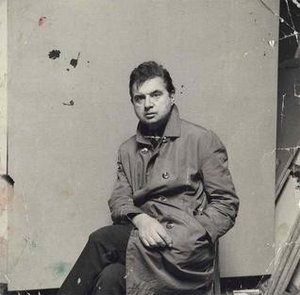
1909 - 1992 , 아일랜드
Explore the ethereal beauty of pastel art. From Renaissance origins to Impressionist mastery, discover the history, technique, and velvety textures that define this luminous medium in our expert guide for art connoisseurs.


최신 미술 뉴스, 특별 혜택 및 인테리어 아이디어를 가장 먼저 만나보세요.
프로젝트에 대해 알려주시면 저희 미술 전문가들이 맞춤형 아트 제안 3가지를 전달해 드립니다.
당신만을 위한 맞춤형 옵션 3가지를 무료로 추천해 드립니다!


 미리보기
미리보기
 공유하기
공유하기 공유하기
공유하기
 상세 정보
상세 정보

 다운로드
다운로드
 유사 작품
유사 작품 X-레이
X-레이 슬라이드 쇼
 더 보기
더 보기









 유리 옵션은 110cm 미만 크기에서만 선택 가능합니다.