x
 Oil On CanvasWallArtExpressionism
 1954Modern
 160.0 x 124.0 cm
빠른 제작과 다양한 마감 옵션을 제공하는 박물관 품질의 지클레이 또는 캔버스 프린트. ( 손으로 그린 그림 구매 이미지 구매)





























작품의 원본 비율을 유지하는 미리 설정된 크기 중에서 선택하세요.

특정 프레임이나 공간에 맞춰 직접 치수를 입력하실 수 있습니다. 선택하신 사이즈가 원본 이미지의 비율과 일치하지 않을 경우, 작품을 크롭(자르기)하거나 이미지를 대칭 또는 단색 채우기로 확장하여 제작합니다. 제작 시작 전, 최종 확인을 위해 디지털 목업이 전송됩니다.
화면상의 미리보기는 실제 크롭이나 확장 상태를 반영하지 않으므로, 최종 구도는 오직 목업을 통해서만 정확하게 확인하실 수 있습니다.
맞춤 사이즈 제작도 가능하지만, 원본 비율을 유지하기 위해서는 사전 정의된 목록에서 치수를 선택하시는 것을 권장합니다.

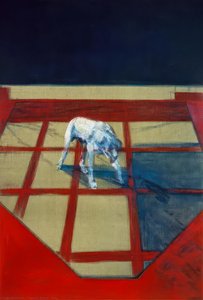
Study for a Running Dog
복제본 크기
Francis Bacon’s "Study for a Running Dog" (1954) is not merely a depiction of an animal in motion; it's a profound exploration of anxiety, primal fear, and the unsettling nature of existence. Painted entirely in muted shades of white, charcoal, and steel gray, this vertical composition presents a slim, almost ghostly dog fleeing across a stark, undefined space. The blurred, thinly painted figure suggests rapid movement, yet the lack of detail contributes to an overall sense of unease and disorientation. This work stands as a powerful example of Bacon's signature expressionistic style, echoing themes found in his more famous depictions of human figures.
"Study for a Running Dog" exemplifies Francis Bacon’s unique brand of expressionism. Departing from traditional representational art, Bacon distorted forms and employed a limited palette to evoke raw emotion rather than precise realism. The composition is dominated by diagonal lines that create a sense of instability and movement, while the dark, gray background amplifies the feeling of isolation. The technique appears to be oil paint applied with visible brushstrokes, creating a rough, uneven texture indicative of impasto layers. This tactile surface adds another layer of emotional intensity to the work. The flattened perspective further enhances the sense of confinement, drawing the viewer into the dog’s unsettling flight.
Created in 1954, "Study for a Running Dog" reflects the post-war anxieties prevalent in mid-20th century Europe. The aftermath of World War II left many grappling with existential questions and a sense of disillusionment. Bacon’s work often mirrored this mood, exploring themes of isolation, mortality, and the fragility of human existence. While not directly referencing specific historical events, the painting's unsettling atmosphere resonates with the broader cultural climate of the time. Early influences on Bacon included Pablo Picasso, whose cubist explorations of form undoubtedly informed Bacon’s own distorted representations. However, Bacon moved beyond mere abstraction to create works that were deeply personal and emotionally charged.
While Bacon resisted explicit symbolic interpretations of his work, "Study for a Running Dog" evokes powerful emotions in the viewer. The running dog itself can be interpreted as a symbol of vulnerability, fear, or perhaps even a desperate attempt to escape an unseen threat. Its ghostly appearance and blurred form suggest a sense of impermanence and fragility. The stark background and limited color palette contribute to a feeling of claustrophobia and isolation. The absence of any clear narrative allows the viewer to project their own anxieties and interpretations onto the image, making it a deeply personal and resonant experience. Ultimately, the painting conveys a sense of raw emotion and psychological tension, characteristic of Bacon’s artistic vision.

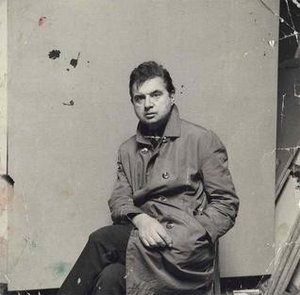
1909 - 1992 , 아일랜드
Explore the profound emotional depth of Lyrical Abstraction. Discover how masters like Raymond Parker used color and form to bridge Impressionism and Abstract Expressionism. Learn about this pivotal movement through our expert-led art history guide.

Explore the profound emotional depth of Color Field painting. Discover the history of mid-century abstraction, from Rothko to Newman, and learn how pure color transforms the viewer's experience through our expert art history guide.

Explore the profound history and emotional depth of Abstract Expressionism. From Jackson Pollock to Mark Rothko, master the nuances of the New York School through our expert art history guide. Discover museum-quality hand-painted reproductions for your collection.

Explore the profound impact of Abstract Expressionism. Discover how post-war artists used gesture and emotion to redefine modern art through Action Painting and the New York School. A definitive guide for students and collectors seeking deep historical context.


최신 미술 뉴스, 특별 혜택 및 인테리어 아이디어를 가장 먼저 만나보세요.
프로젝트에 대해 알려주시면 저희 미술 전문가들이 맞춤형 아트 제안 3가지를 전달해 드립니다.
당신만을 위한 맞춤형 옵션 3가지를 무료로 추천해 드립니다!


 미리보기
미리보기
 공유하기
공유하기 공유하기
공유하기
 상세 정보
상세 정보

 다운로드
다운로드
 유사 작품
유사 작품 X-레이
X-레이 슬라이드 쇼
 더 보기
더 보기









 유리 옵션은 110cm 미만 크기에서만 선택 가능합니다.