




























A Study for Portrait – Decoding Bacon’s Visceral Vision
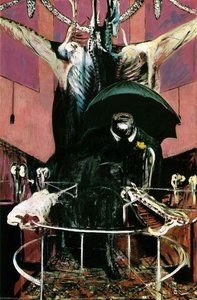
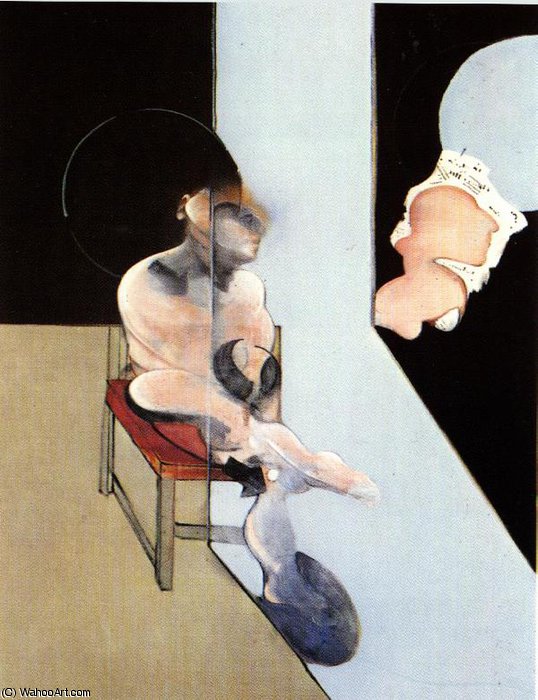
The painting, titled “Study for Portrait,” presents a haunting tableau of human vulnerability and psychological torment. Captured in 1981 by Francis Bacon, it exemplifies the artist's signature style—a brutal distillation of emotion rendered with unsettling precision. The image depicts a solitary figure seated on a chair, his back turned away from the viewer, creating an immediate sense of isolation and concealment. Stripped bare both physically and emotionally, he wears a black mask that obscures his face, symbolizing repression and perhaps concealing inner turmoil.
- Subject Matter: The central figure embodies existential angst—a man confronting mortality and grappling with profound psychological distress.
- Style: Bacon’s work is characterized by its expressive distortion of form, mirroring the artist's preoccupation with trauma and anxiety. It aligns closely with his broader exploration of human suffering, drawing inspiration from Surrealist influences but forging a path distinctly his own.
Technique – Brutal Realism and Layered Texture
Bacon’s technique is relentlessly uncompromising. He employs oil paint on canvas, applying it in thick impasto—a sculptural layering of pigment that generates palpable texture. This method isn't merely decorative; it actively conveys the artist’s emotional state. The surface is riddled with cracks and fissures, mirroring the fractured psyche he portrays. Bacon meticulously builds up layers of color, often juxtaposing contrasting hues to heighten visual tension and underscore the painting’s disturbing atmosphere. He utilizes a palette dominated by muted reds, blacks, and yellows—colors associated with pain, death, and decay—further amplifying the artwork's emotional resonance.
Historical Context – The Shadow of Trauma in Postwar Britain
“Study for Portrait” emerged during the aftermath of World War II, a period marked by disillusionment and uncertainty. Bacon’s artistic output reflects this pervasive mood of anxiety and despair, mirroring the anxieties felt across Europe following the devastation of conflict. He was deeply affected by the horrors he witnessed during the war years—particularly his experiences in France—and these traumas fueled his creative impulse. The painting speaks to a broader cultural preoccupation with confronting uncomfortable truths about human nature and psychological vulnerability – themes that resonated powerfully within the artistic landscape of the time.
Symbolism – Masks, Isolation, and Confrontation
The black mask is arguably the most potent symbol in the composition. It represents not merely concealment but also repression—the suppression of emotion and identity. The seated posture reinforces this sense of isolation, emphasizing the figure’s detachment from the viewer and highlighting his internal struggle. Bacon deliberately disrupts conventional portraiture conventions, rejecting idealized representations of beauty in favor of confronting viewers with the raw reality of human suffering. The fractured surface of the canvas symbolizes the disintegration of psychological stability—a visual manifestation of the torment experienced by the subject.
Emotional Impact – A Profound Exploration of Suffering
Ultimately, “Study for Portrait” transcends mere depiction; it compels contemplation. Bacon’s masterful manipulation of color and texture generates an unsettling emotional response in the viewer—one of unease, empathy, and recognition of the universality of human experience. The painting doesn't offer comfort or reassurance but instead confronts us with the uncomfortable truth that suffering is inescapable – a core element of what defines our existence. It stands as a testament to Bacon’s ability to distill complex psychological states into visual form—a haunting reminder of the fragility of the human spirit and the enduring power of art to provoke profound emotional engagement.