


x
빠른 제작과 다양한 마감 옵션을 제공하는 박물관 품질의 지클레이 또는 캔버스 프린트. ( 손으로 그린 그림 구매 이미지 구매)
작품의 원본 비율을 유지하는 미리 설정된 크기 중에서 선택하세요.

특정 프레임이나 공간에 맞춰 직접 치수를 입력하실 수 있습니다. 선택하신 사이즈가 원본 이미지의 비율과 일치하지 않을 경우, 작품을 크롭(자르기)하거나 이미지를 대칭 또는 단색 채우기로 확장하여 제작합니다. 제작 시작 전, 최종 확인을 위해 디지털 목업이 전송됩니다.
화면상의 미리보기는 실제 크롭이나 확장 상태를 반영하지 않으므로, 최종 구도는 오직 목업을 통해서만 정확하게 확인하실 수 있습니다.
맞춤 사이즈 제작도 가능하지만, 원본 비율을 유지하기 위해서는 사전 정의된 목록에서 치수를 선택하시는 것을 권장합니다.

Ève
복제본 크기
François Auguste René Rodin, a name synonymous with modern sculpture, didn’t simply carve stone; he wrestled with the very essence of human emotion. His legacy rests not just on monumental figures like “The Thinker,” but also on deeply intimate works that capture fleeting moments of vulnerability and introspection – and few exemplify this approach more powerfully than his bronze depiction of ‘Ève.’ Completed in 1883, this sculpture transcends a mere representation of the biblical figure; it’s an exploration of shame, regret, and the quiet contemplation born from transgression. Rodin's genius lies in his ability to imbue inanimate material with such palpable feeling, drawing viewers into a silent dialogue with the subject’s inner world.
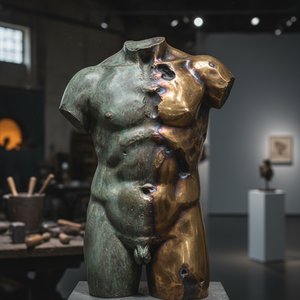
The sculpture itself is strikingly immediate. ‘Ève,’ rendered in rich, dark bronze, is presented in a subtly turned pose, her arms wrapped protectively around herself as if shielding herself from an unseen sorrow. Her head is bowed, not in defeat, but with a thoughtful stillness – a gaze averted, suggesting a private world of reflection. The texture of the bronze is deliberately rough and uneven in places, mirroring the emotional turmoil she embodies. This isn’t the idealized beauty often sought in classical sculpture; instead, it's a raw, honest portrayal of human experience, marked by the weight of consequence.
Rodin’s ‘Ève’ is deeply rooted in the artistic traditions that preceded him. He was profoundly influenced by the works of Michelangelo and Masaccio, particularly their depictions of biblical narratives from the Book of Genesis. The sculpture directly references these Renaissance masterpieces, most notably Masaccio's fresco “The Expulsion from the Garden of Eden,” where Eve’s initial reaction to being banished is captured with a similar sense of profound sadness and vulnerability. Rodin masterfully translates this emotional intensity into his own bronze form, creating a work that feels both timeless and deeply personal.
However, unlike the more overtly dramatic portrayals of the Renaissance masters, Rodin’s ‘Ève’ is remarkably restrained in its expression. He eschews overt gestures or theatrical poses, opting instead for a subtle shift in posture and a carefully controlled gaze to convey her inner state. This quiet intensity is characteristic of Rodin's style – he sought to capture not just the outward appearance of his subjects but also their innermost thoughts and feelings.
Rodin’s masterful use of bronze is central to the sculpture’s impact. He employed the lost-wax casting technique, allowing for incredible detail and a rich, textured surface. The greenish patina that develops over time – a result of oxidation – adds another layer of complexity to the work, suggesting both age and the passage of time. Symbolically, ‘Ève’ represents more than just the biblical figure; she embodies the universal experience of regret, remorse, and the burden of responsibility. Her posture suggests a desire for protection, perhaps a longing for innocence lost.
The choice of bronze itself is significant. Bronze, with its inherent durability and malleability, mirrors the resilience required to confront difficult emotions. It’s a material that can withstand the test of time, much like the enduring themes explored in ‘Ève.’ The simple rectangular base further grounds the figure, emphasizing her vulnerability against the stability of the world around her.
‘Ève’ remains a profoundly moving work of art, offering viewers an intimate glimpse into the complexities of human emotion. It is a testament to Rodin’s ability to capture not just the physical form but also the inner life of his subjects. Whether displayed in a grand museum or a private collection, ‘Ève’ continues to resonate with audiences today, inviting contemplation and reminding us of the enduring power of art to illuminate the human condition. Reproductions of this iconic sculpture offer a remarkable opportunity to bring Rodin's profound insights into any space, fostering reflection and appreciation for one of the 19th century’s most influential sculptors.

1840 - 1917 , 프랑스
고대 금속 공예의 정수, 청동 조각의 역사와 기법을 심층 분석합니다. 중국, 그리스, 로마의 대표 작품부터 현대적 해석까지, 미술품 투자 및 컬렉션을 위한 전문가 가이드.

Explore the revolutionary world of Auguste Rodin, the founder of modern sculpture. Discover his iconic works like 'The Kiss' & 'The Thinker,' innovative techniques, and lasting impact on art history. A deep dive into emotion and realism.

Explore the rich history & enduring appeal of bronze sculpture with expert insights for collectors. Learn about casting techniques, iconic artists, collecting tips & contemporary interpretations at Most-Famous-Paintings.

Explore the rich history & enduring appeal of bronze sculpture with expert insights for collectors at Most-Famous-Paintings. Learn about casting techniques, iconic artists, and collecting tips to build a discerning art collection.

Explore the rich history of sculpture with Most-Famous-Paintings. Discover key techniques, influential artists & investment potential for discerning collectors. Expert insights into valuing and collecting timeless masterpieces.


최신 미술 뉴스, 특별 혜택 및 인테리어 아이디어를 가장 먼저 만나보세요.
프로젝트에 대해 알려주시면 저희 미술 전문가들이 맞춤형 아트 제안 3가지를 전달해 드립니다.
당신만을 위한 맞춤형 옵션 3가지를 무료로 추천해 드립니다!


 공유하기
공유하기 공유하기
공유하기
 상세 정보
상세 정보

 다운로드
다운로드
 유사 작품
유사 작품 슬라이드 쇼

 더 보기
더 보기






































 유리 옵션은 110cm 미만 크기에서만 선택 가능합니다.


