


x
 Acrylic On CanvasWallArtRenaissance Portraiture
 1562
1562 91.0 x 70.0 cm
 루브르 박물관




























작품의 원본 비율을 유지하는 미리 설정된 크기 중에서 선택하세요.

특정 프레임이나 공간에 맞도록 직접 크기를 입력할 수 있습니다. 선택하신 크기가 원본 이미지의 비율과 일치하지 않는 경우, 작품을 자르거나 추가적인 손으로 그린 요소를 사용하여 그림을 확장합니다. 제작 시작 전 승인을 위해 디지털 목업을 보내드립니다.
화면 미리 보기는 실제 자르기 또는 확장을 반영하지 않습니다. 최종 구성은 목업을 통해서만 정확하게 확인하실 수 있습니다.
맞춤 크기 제작도 가능하지만, 원본 비율을 유지하기 위해 사전 정의된 목록에서 크기를 선택하시는 것을 권장합니다.

Pierre Quthe
복제본 크기
François Clouet's “Pierre Quthe” stands as a testament to the meticulous artistry that characterized the High Renaissance in France. Executed in 1562, this oil on wood painting resides within the hallowed halls of the Musée du Louvre, offering visitors an unparalleled glimpse into the artistic sensibilities of its time.
More than just a depiction of an apothecary – Pierre Quthe himself – Clouet’s work transcends mere representation. It embodies the humanist ideals prevalent during Charles IX's reign, prioritizing intellectual pursuits and refined elegance within the royal court. Clouet skillfully blended influences from Bronzino and Holbein, adopting a style marked by remarkable realism and painstaking attention to detail—a hallmark of his oeuvre.
The painting’s impact begins with its masterful execution. Clouet employed chiaroscuro – the dramatic interplay of light and shadow – to sculpt Quthe's form, creating a palpable sense of depth and dimensionality that draws the viewer into the scene. Observe how the soft illumination highlights Quthe’s face, emphasizing his gaze and conveying an aura of solemn contemplation.
Furthermore, Clouet meticulously rendered textures—the folds of Quthe's doublet, the subtle sheen of his hair, and even the delicate lines etched onto his skin. These details speak volumes about Clouet’s dedication to capturing the essence of human anatomy and materiality. The muted earth tones dominate the palette, fostering a contemplative mood that aligns perfectly with the subject matter.
The inclusion of an open book bearing a bird illustration is not merely decorative; it carries symbolic weight. Birds often represented intellectuality, aspiration, and divine grace during the Renaissance—concepts central to Quthe’s profession and reflecting broader humanist concerns. The positioning of Quthe's hand resting on the book underscores his engagement with scholarly pursuits.
Considered alongside other portraits from Clouet’s prolific output, “Pierre Quthe” exemplifies the artist’s commitment to portraying individuals as complex human beings—intellectuals and men of dignity. It serves as a poignant reminder of the artistic achievements of the French Renaissance and its enduring fascination with capturing the inner life of its subjects.
Displayed prominently within the Musée du Louvre, one of the world’s foremost repositories of art history, “Pierre Quthe” continues to inspire admiration. Its dimensions – 91 x 70 cm – may seem modest compared to monumental canvases of later eras, yet they encapsulate a profound artistic accomplishment. This exquisite reproduction allows you to experience the beauty and sophistication of Clouet’s vision firsthand.
Discover more about François Clouet and his remarkable legacy at Most-Famous-Paintings.com or explore the broader history of French art on Wikipedia: Wikipedia.


1510 - 1572 , 프랑스

빛과 색채의 마법사 르누아르! 인상주의 대표 화가 르누아르의 명작 25선을 만나보세요. '물랭 드 라 갈레트', '우산 속의 소녀들' 등 시대를 초월하는 아름다움을 Most-Famous-Paintings에서 감상하고, 특별한 공간을 완성하세요. 지금 바로 온라인 컬렉션을 탐험하세요!
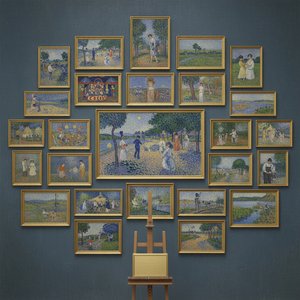
조르주 쇠라의 대표작 25선을 만나보세요. 점묘법의 혁신과 빛, 색채의 아름다움이 담긴 명작들을 감상하고, 인테리어에 예술적인 영감을 더하세요. Most-Famous-Paintings.com에서 고품질 미술 작품을 컬렉션해보세요.

Explore the captivating world of François Boucher, master of Rococo painting! Discover his iconic works, aristocratic patronage, and lasting influence on French art history. Learn more at Most-Famous-Paintings.

Explore the captivating works of François Flameng, a celebrated French painter bridging academic tradition & Impressionistic sensibilities. Discover his portraits, landscapes, and poignant WWI art with insights from Most-Famous-Paintings.

Explore the life & art of Charles Le Brun, master of French Baroque Classicism. Discover his royal commissions, influence on Versailles, and enduring legacy through detailed analysis & stunning artworks.


최신 미술 뉴스, 특별 혜택 및 인테리어 아이디어를 가장 먼저 만나보세요.
프로젝트에 대해 알려주시면 저희 미술 전문가들이 맞춤형 아트 제안 3가지를 전달해 드립니다.
당신만을 위한 맞춤형 옵션 3가지를 무료로 추천해 드립니다!


 미리보기
미리보기
 프린트 구매
 공유하기
공유하기 공유하기
공유하기
 상세 정보
상세 정보

 다운로드
다운로드
 유사 작품
유사 작품 X-레이
X-레이 슬라이드 쇼
 더 보기
더 보기









 유리 옵션은 110cm 미만 크기에서만 선택 가능합니다.


