


x

작품의 원본 비율을 유지하는 미리 설정된 크기 중에서 선택하세요.

특정 프레임이나 공간에 맞춰 직접 치수를 입력하실 수 있습니다. 선택하신 사이즈가 원본 이미지의 비율과 일치하지 않을 경우, 작품을 크롭(자르기)하거나 이미지를 대칭 또는 단색 채우기로 확장하여 제작합니다. 제작 시작 전, 최종 확인을 위해 디지털 목업이 전송됩니다.
화면상의 미리보기는 실제 크롭이나 확장 상태를 반영하지 않으므로, 최종 구도는 오직 목업을 통해서만 정확하게 확인하실 수 있습니다.
맞춤 사이즈 제작도 가능하지만, 원본 비율을 유지하기 위해서는 사전 정의된 목록에서 치수를 선택하시는 것을 권장합니다.

waves
복제본 크기
František Kupka's “Waves,” painted around 1902, stands as a pivotal work in the nascent world of abstract art, a testament to the artist’s courageous journey from representational skill towards a radical exploration of form and emotion. This piece, dominated by a symphony of grays and blacks, isn’t merely an image of water; it's a visceral embodiment of movement, energy, and perhaps even the unsettling beauty of chaos – qualities that would come to define much of 20th-century art. Kupka, a pioneer who anticipated movements like Orphism, meticulously crafted this composition using charcoal or pastel on paper, layering and blending tones with a vigorous hand to achieve its remarkable textural depth.
Born in 1871 in Opočno, Bohemia, Kupka's artistic development was shaped by his early training in Prague and Vienna, where he initially produced works steeped in historical and patriotic themes. However, it was his relocation to Paris in 1894 that ignited a transformative shift. Immersed within the intellectual fervor of the *fin de siècle*, he briefly studied at the Académie Julian and later with Jean-Pierre Laurens, yet it was the atmosphere itself – the burgeoning artistic experimentation and philosophical questioning – that truly liberated his vision. “Waves” reflects this pivotal moment, representing a deliberate departure from traditional representation towards an intensely personal exploration of visual language.
The composition of "Waves" is deliberately unsettling, eschewing conventional perspective and focal points. Instead, overlapping organic shapes – amorphous and lacking sharp angles – interlock and flow across the canvas, creating a sense of continuous movement. The artist’s technique—heavy application of charcoal or pastel—generates a rich texture that dominates the surface, inviting close inspection. The absence of explicit lines further emphasizes this fluidity; what appear as edges are actually textured strokes contributing to the overall visual experience. This deliberate ambiguity invites the viewer to actively participate in constructing meaning, projecting their own interpretations onto the abstract forms.
While devoid of literal imagery, “Waves” resonates with powerful symbolic undertones. The title itself immediately evokes a sense of dynamism, mirroring the ceaseless motion of water – but also suggesting something more profound: the ebb and flow of emotion, the constant transformation inherent in existence. The monochromatic palette amplifies this effect, stripping away any distractions and focusing attention on the fundamental elements of form and texture. Kupka’s work taps into a primal human response to movement and energy, offering a glimpse into an inner landscape of feeling rather than a depiction of external reality. This piece is deeply connected to the Art Nouveau style prevalent at the time, showcasing a modern interpretation of natural forms.

1871 - 1957

Find serenity with 10 minimalist masterpieces! Explore Agnes Martin, Rothko & more. Discover the stories behind iconic abstract art, neutral palettes & calming designs. Museum-quality reproductions at Most-Famous-Paintings.com – elevate your home decor today!

Elevate your yacht or estate with curated luxury art collections. Discover bespoke paintings, marine masterpieces & expert consultation for lasting investment & timeless style. Explore now!
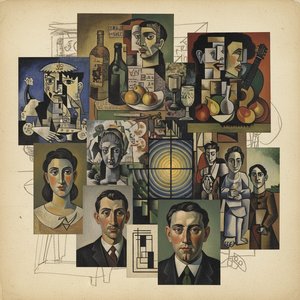
Explore 10 Cubist masterpieces by Picasso, Braque & more! Delve into the history of this revolutionary art movement. Find museum-quality reproductions and elevate your home decor with Most-Famous-Paintings. Discover all masterpieces on Most-Famous-Paintings.com

Find peace with 10 serene masterpieces! Explore calming landscapes by Monet & Van Gogh, tranquil Japanese art like Hokusai’s Great Wave, and more. Discover the stories behind these iconic paintings & bring museum-quality art to your home with . Explore the full collection online.
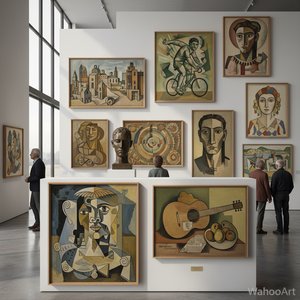
피카소, 브라크의 큐비즘 걸작 10선! 혁신적인 예술 세계를 만나보세요. 각 작품의 숨겨진 이야기와 감동을 Most-Famous-Paintings에서 경험하고, 당신의 공간에 특별한 예술적 영감을 더하세요. 지금 바로 Most-Famous-Paintings.com에서 모든 명작을 발견해보세요!


최신 미술 뉴스, 특별 혜택 및 인테리어 아이디어를 가장 먼저 만나보세요.
프로젝트에 대해 알려주시면 저희 미술 전문가들이 맞춤형 아트 제안 3가지를 전달해 드립니다.
당신만을 위한 맞춤형 옵션 3가지를 무료로 추천해 드립니다!


 작품 구매하기
 공유하기
공유하기 공유하기
공유하기
 상세 정보
상세 정보

 다운로드
다운로드
 유사 작품
유사 작품 X-레이
X-레이 슬라이드 쇼

 더 보기
더 보기






































 유리 옵션은 110cm 미만 크기에서만 선택 가능합니다.


